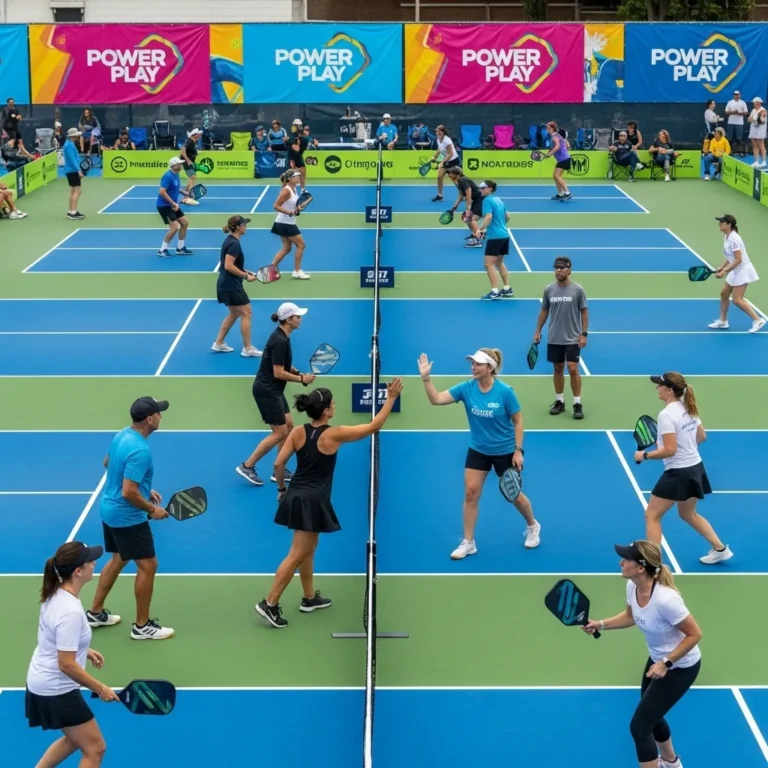
You’ve heard the distinct “pop” echoing from the local park. You’ve seen the courts crowded with people of all ages laughing and high-fiving. You might have even picked up a paddle and hit a few balls over the net. But now, you’ve hit a wall. Your shots are going high, your backhand feels awkward, and you’re wondering how others make it look so effortless.
This is the moment where the vast majority of players face a choice: continue hacking away at the ball hoping for improvement, or invest in professional Pickleball Lessons. While the sport is famous for being easy to pick up, mastering the nuances of the “soft game,” positioning, and strategy requires guidance.
In this comprehensive guide, we will dive deep into everything you need to know about taking a pickleball lesson in 2024. From breaking down the costs and choosing between private vs. group sessions, to understanding the unspoken etiquette of the court, we cover the questions that beginners are too afraid to ask.
Do You Really Need Lessons?
One of the most common questions new players ask is: “Can I learn pickleball just by playing open play, or are formal lessons necessary?”
The short answer is yes, you can learn by playing. However, self-taught players often develop bad habits—such as using a “tennis wrist” or poor footwork—that can lead to hitting a plateau or, worse, sustaining injuries. Understanding the mechanics is crucial to longevity in the sport.
- Injury Prevention: Proper form reduces the strain on your elbow and knees. Read more about common pickleball injuries and how to avoid them.
- Speed of Progression: A coach can fast-track your skills in three lessons what might take you six months to figure out on your own.
- Strategy vs. Power: Lessons teach you the “chess match” aspect of the game, like the importance of the 3rd shot pickleball drop.
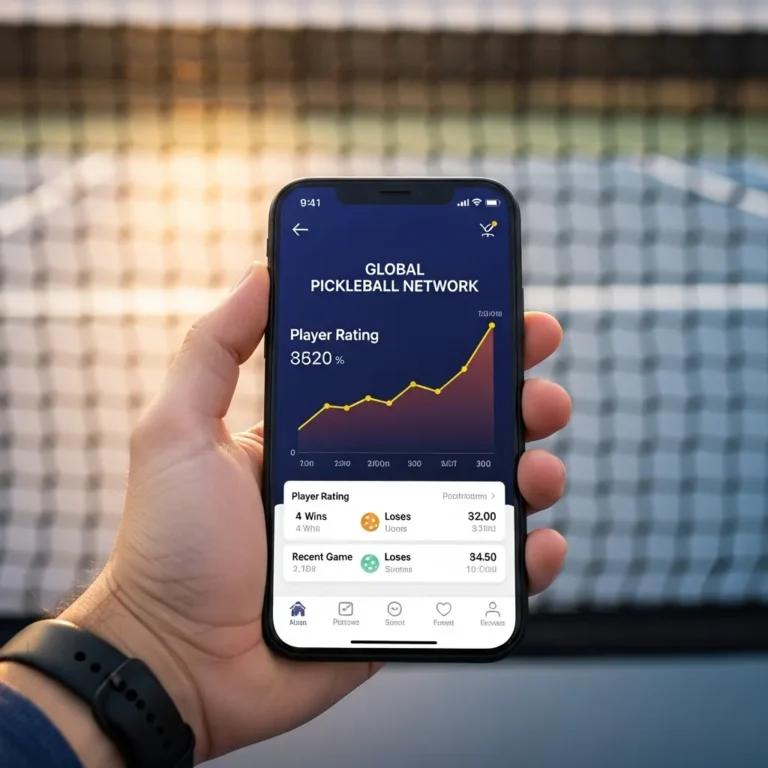
If you are serious about improving your DUPR pickleball rating, formal instruction is the most efficient path forward.
Types of Lessons: Finding Your Fit
Not all pickleball lessons are created equal. Depending on your budget, social goals, and learning style, you have three main options.
1. Group Clinics and Beginner 101
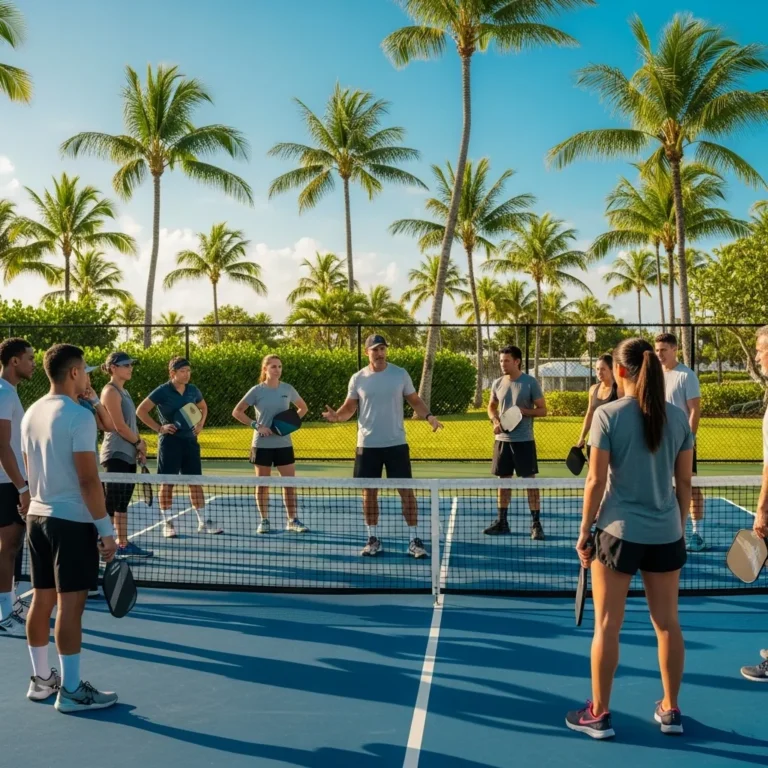
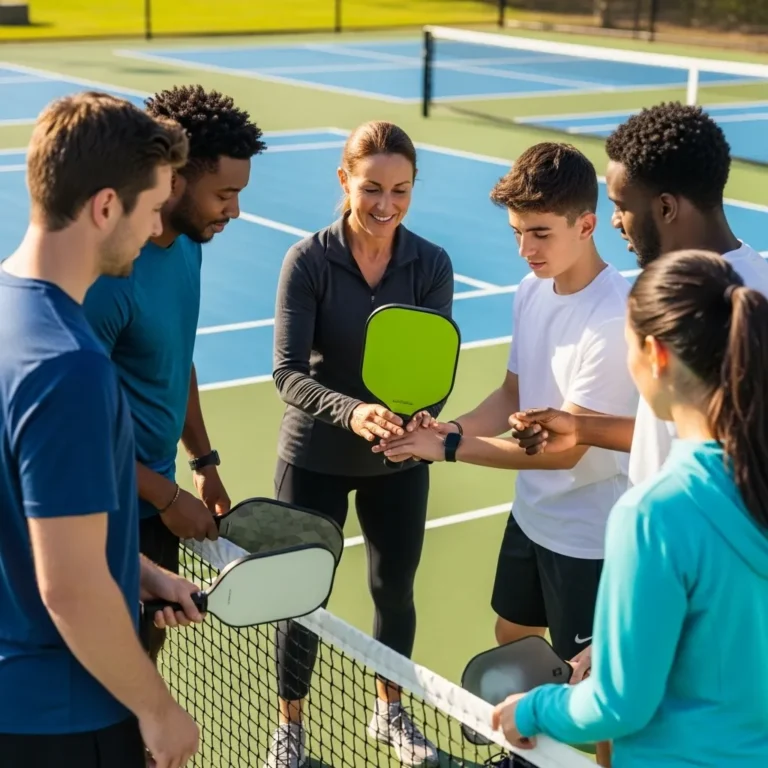
If you are looking for a pickleball lesson near me and want a low-pressure environment, group clinics are ideal. These sessions usually consist of 4 to 8 players and one instructor.
- Cost: Typically $15 – $30 per person per hour.
- Pros: Great for meeting new practice partners and learning the basics like pickleball scoring.
- Cons: Less individual feedback on your specific stroke mechanics.
2. Private Coaching
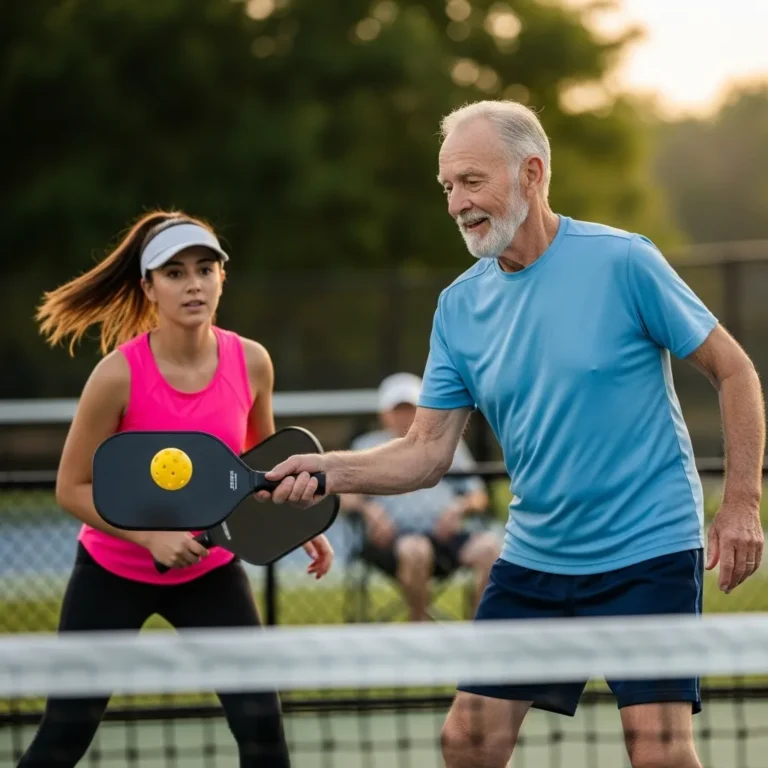
For those struggling with a specific issue, such as a weak backhand or consistent serving faults, private coaching is the gold standard. A one-on-one session allows the coach to feed you balls specifically designed to fix your weak points.
- Cost: $60 – $120+ per hour, depending on the coach’s certification (PPR or IPTPA).
- Focus: Intense focus on mechanics, grip changes (like the continental grip pickleball players use), and footwork.
3. Semi-Private Lessons
This is the “sweet spot” for many. You and a friend (or your doubles partner) hire a coach together. It allows you to practice pickleball rules doubles strategies and team movement.
Location Specifics: Finding the Best Coaches
Finding the right coach depends heavily on your location. For example, the pickleball scene in California is exploding. If you happen to be in the Bay Area, looking specifically for san mateo pickleball lessons can connect you with some of the top-rated instructors in the region who understand both recreational and competitive play.
Before You Go: Preparation & Gear
A major source of anxiety for new students is not knowing what to bring. Do you need to buy a $200 paddle before your first lesson? Absolutely not.
The “Paddles Provided” Rule
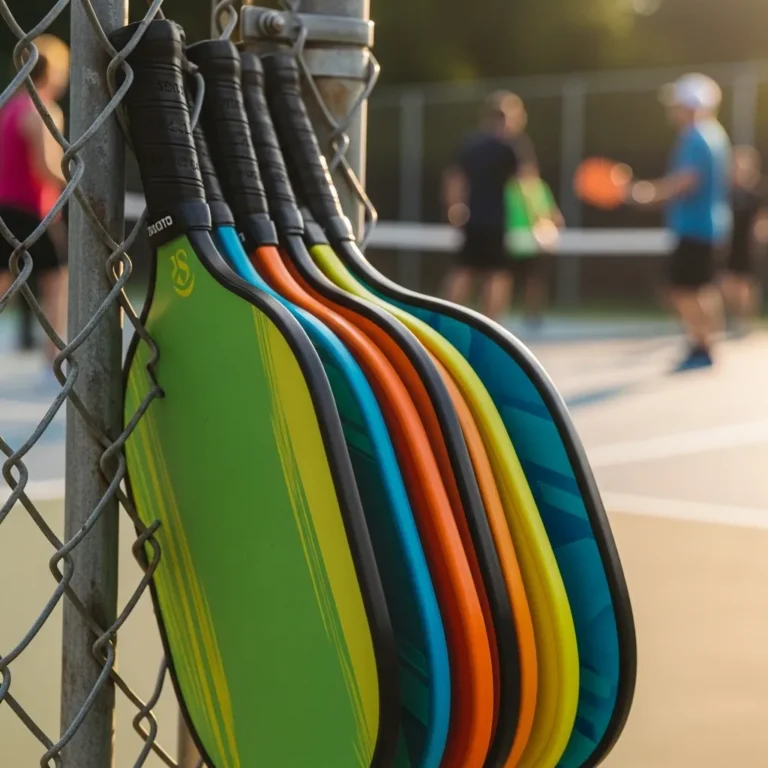
Most instructors and facilities will provide demo paddles for your first few lessons. In fact, it is better to wait. Playing a few times will help you understand if you prefer a power paddle or a control paddle. Once you are ready to buy, check out our guide on how to pick a pickleball paddle.
If you are looking for specific recommendations later, the Joola pickleball paddle series is highly regarded, or you might look into HEAD pickleball paddles for durability.
Footwear is Critical
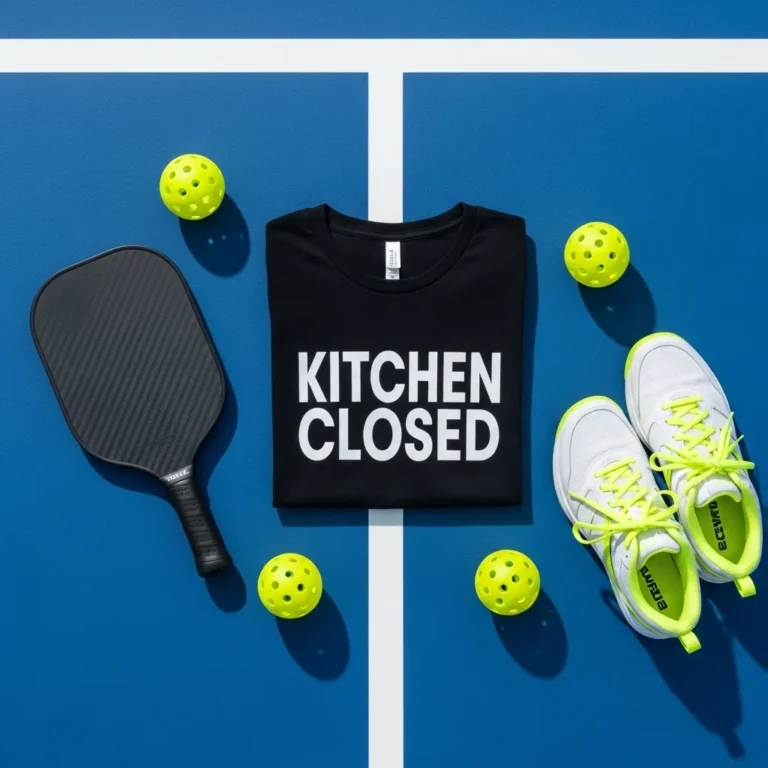
Do not wear running shoes. This is the one piece of gear you cannot compromise on. Running shoes are designed for forward motion, while pickleball requires lateral (side-to-side) cutting. Wearing running shoes increases the risk of rolling an ankle.
Invest in court-specific shoes. Popular options include Skechers pickleball shoes or the durable K-Swiss pickleball shoes. Brands like Babolat pickleball shoes also offer excellent stability.
Mental Prep
You don’t need to memorize the rulebook, but having a basic understanding helps. Instructors appreciate students who know the concept of the “Kitchen.” Review the pickleball kitchen rules before you head to the court.
Inside the Lesson: What Actually Happens?
Whether you are taking a private session or a group clinic, most pickleball lessons follow a similar structure geared towards skill acquisition.
1. The Warm-Up and Dinking
Expect to start at the Non-Volley Zone (the Kitchen). You will likely begin with “dinking”—hitting the ball softly over the net. This is the foundation of high-level play. Learning the pickleball dink is often the primary focus of beginner lessons.
2. Drills over Gameplay
A common misconception is that a lesson involves playing a full game with the coach. In reality, you will spend 70% of the time doing pickleball drills. Repetition is key to muscle memory. Your coach might use a Titan pickleball machine or a Lobster pickleball machine to feed you consistent shots.
3. Strategy Implementation
Towards the end of the lesson, the coach will integrate the drills into point play. This is where you learn when to drive the ball and when to drop it. They may also discuss cross strategy pickleball positioning.
The Unspoken Rules: Etiquette & FAQs
To ensure you look like a pro (even if you don’t play like one yet), here are the answers to the “hidden” questions about pickleball lessons.
Is it customary to tip a pickleball instructor?
This varies. If the instructor is part of a private club (like a country club) where they are salaried or take a high percentage of the lesson fee, tipping is less common but appreciated during holidays. However, for freelance coaches running their own business on public courts, the fee is usually all-inclusive, and tipping is not expected unless they go significantly overtime.
What if it rains?
Outdoor courts are slippery when wet. Can you play pickleball on a wet court? The answer is a hard no. It is unsafe. Most coaches have a cancellation policy for bad weather, but always ask beforehand.
What is the “3.0” Milestone?
You will often hear players ask, “Are you a 3.0 yet?” This refers to your rating. A 3.0 player understands the rules, can keep score, and can sustain a short rally. It typically takes 3 to 5 lessons for a complete athletic beginner to reach a solid 3.0 level. You can read more about how these numbers work in our guide to pickleball ratings.
Where to Take Lessons: Top US Hotspots
While you can find instruction almost anywhere, certain cities have become true “Pickleball Meccas” offering world-class coaching facilities. If you are lucky enough to live near these hubs, you have access to some of the best pickleball lessons in the country.
The Southeast is teeming with action. In Georgia, the Atlanta Pickleball Center is a premier destination known for its organized clinics and certified instructors. Further south in Florida, areas like Central Winds Pickleball courts offer a vibrant community for beginners to learn the ropes.
Everything is bigger in Texas, including the pickleball scene. Players in the Lone Star State often head to the Houston Pickleball Center for structured drilling sessions. Meanwhile, in Las Vegas, the famous Sunset Park Pickleball Complex hosts numerous pros and offers lessons right in the heart of the action.
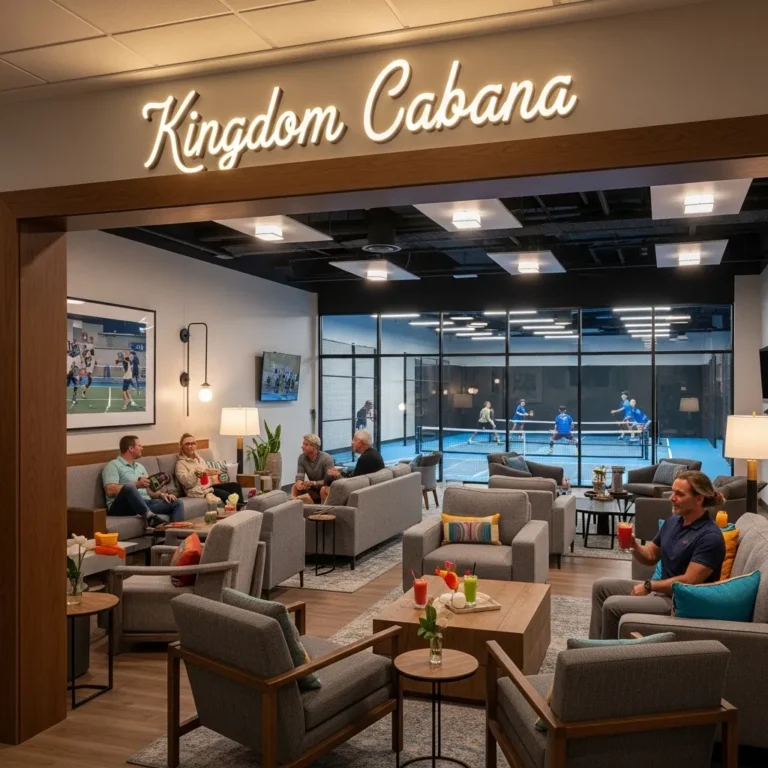
California remains a dominant force. Aside from the Bay Area, Southern California offers excellent instruction at locations like Tustin Pickleball courts. Moving north to Washington, where the sport was invented, indoor facilities like Pickleball Kingdom Lynnwood provide year-round lessons protected from the rain.
Conclusion: Taking the Next Step
Investing in Pickleball Lessons is the fastest way to increase your enjoyment of the game. Whether you are looking for a social outlet or aiming to compete in tournaments, proper instruction lays the groundwork for success.
Don’t be intimidated by the process. Everyone on the court started exactly where you are now. Grab a pair of supportive Wilson pickleball shoes, find a local coach, and get out there.
Ready to upgrade your gear after your first lesson? Check out the latest top pickleball paddles to find the perfect match for your new skills.
For more information on official rules and finding certified tournaments, you can visit USA Pickleball.
Recommended Reading
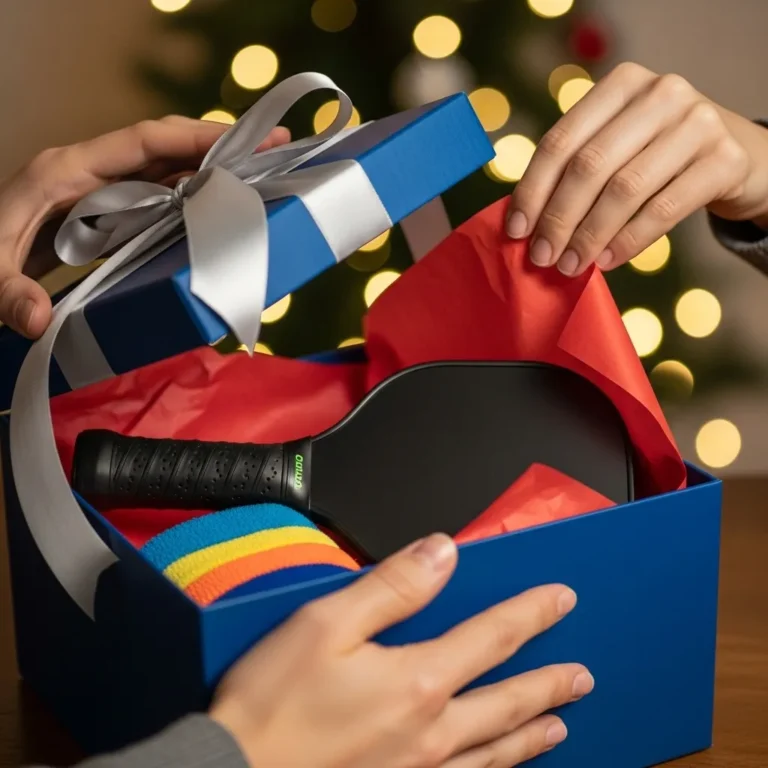
Top Pickleball Gifts 2025:From Stocking Stuffers to Pro Gear
Looking for unique pickleball gifts? We break down practical gear, funny apparel, and budget-friendly ideas to help you surprise the player in your life.
You May Also Like