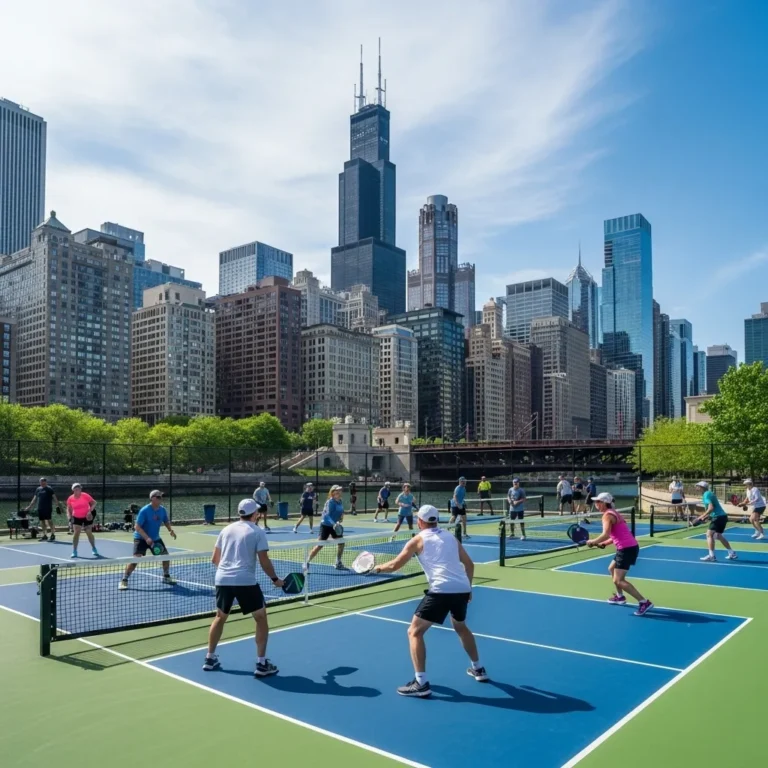
You know the struggle: The wind is howling, the public courts are cracked, and you’ve been waiting forty minutes just to play a single game with a mismatched foursome. As the sport explodes in popularity, the migration from public parks to private facilities is accelerating. Joining an elite pickleball club is the natural next step for serious players seeking consistency, community, and high-performance conditions.
But with initiation fees often rivaling country clubs and monthly dues climbing, the question remains: Is the investment justified? This guide moves beyond the marketing photos to analyze the real “Total Cost of Ownership,” the hidden value of court technology, and whether these clubs actually solve the dreaded open play logistics issues.
The Financial Reality: Breaking Down the Costs
When you tour a facility, the sales team will focus on the monthly rate. However, to truly understand the value of an elite pickleball club, you must calculate the annual cost of engagement. A “reasonable” monthly fee can quickly balloon when hidden logistical costs are added.
1. Initiation vs. Monthly Dues
Most premier clubs operate on a tiered model. You might see a lower monthly payment, but it is often gated behind a significant initiation fee. Ask yourself: Is the membership contract locked, or is it month-to-month? If you suffer an injury—common in racket sports—does the club allow you to freeze your dues, or are you paying for empty months?
2. The “Hidden” Fees
This is where the math gets tricky. In many “elite” clubs, membership grants you the right to book a court, but not the court time itself. You need to clarify:
- Court Rental Rates: Do members pay hourly court fees on top of dues?
- Guest Passes: If you want to bring a non-member partner, are the fees prohibitive (e.g., $20+ per guest)?
- Instructional Costs: Are pickleball lessons discounted for members?
3. The “Cost-Per-Game” Calculation
To determine value, divide the total annual cost by your estimated hours of play. If you play 4 times a week, a high monthly fee might actually be cheaper per hour than “pay-as-you-go” drop-in rates at public centers, especially when you factor in the guarantee of play.
The Court Experience: Surface, Sound, and Sight
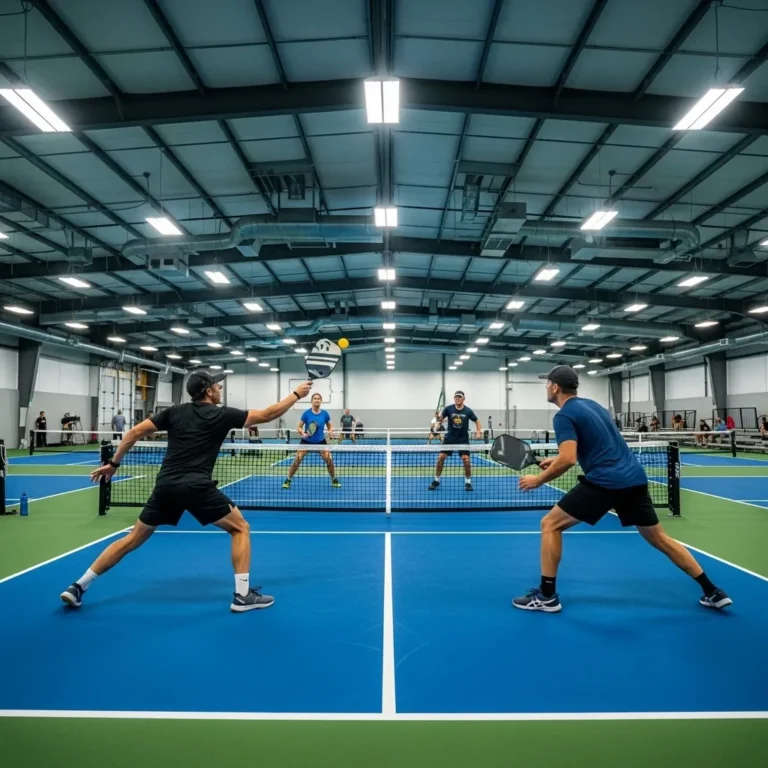
What truly separates a warehouse with nets from a genuine elite pickleball club? It comes down to facility engineering. If you are paying a premium, you should demand premium infrastructure.
Surface Matters: Knee Health and Bounce
Not all indoor courts are created equal. Many pop-up clubs use modular tiles over concrete, which can result in “dead spots” and weird bounces. The gold standard for elite facilities is a cushioned acrylic surface (similar to the US Open courts). This offers a consistent bounce and, more importantly, reduces impact on your joints. Understanding the difference between indoor and outdoor pickleballs and how they interact with these specific surfaces is crucial for adapting your game.
The Sensory Environment
- Acoustics: Pickleball is loud. An elite facility must invest in acoustic baffling and sound-dampening panels. If the club sounds like a jet engine inside a tin can, it is not “elite.”
- Lighting: Is the lighting system specifically designed to reduce glare? Converted tennis facilities often have lighting that blinds players during overhead lobs. Look for indirect LED lighting systems.
- Climate Control: In regions like Texas or Florida, this is non-negotiable. We aren’t just talking about big fans moving hot air; we mean full HVAC systems that keep the humidity low and the temperature at a steady 68-72 degrees.
The Ecosystem: Matchmaking and Skill Gating
The number one complaint in pickleball is “sandbagging”—where lower-level players jump into advanced queues, disrupting the flow of the game. An elite pickleball club justifies its price by curating the player experience.
Strict DUPR Enforcement
Does the club use the DUPR pickleball rating system to gate their open play sessions? High-end clubs often require a verified rating to join “4.0+” sessions. This ensures that when you show up for competitive play, you are actually getting competitive games. Without this curation, you are essentially paying for a private version of the chaos found at public parks.
Structured Round Robins vs. Open Play
Review the weekly calendar. If it is 90% “Open Play” with a paddle stack system, proceed with caution. Elite clubs should offer curated matchmaking where a pro or software organizes foursomes. They should also provide access to high-end equipment, such as the Titan Pickleball Machine, allowing you to drill specifically on your dinks and drops without needing a partner.
Furthermore, standard pickleball open play at public courts can be hit-or-miss regarding etiquette. Private clubs generally enforce stricter adherence to pickleball kitchen rules and general court conduct.
Logistics: The Battle for Booking
You are paying for access, but can you actually get a court at 6:00 PM on a Tuesday? This is the “stress test” for any club membership.
The Priority Window
Ask about the “booking window gap.” Typically, members get a 14-day advance booking window, while non-members might get 3 days (or zero). If the club has too many members, that 14-day window doesn’t matter because prime slots vanish in seconds.
Software Friction
Does the club use a streamlined app like Pickleball Den or CourtReserve? The ease of booking, splitting payments with friends, and finding subs is a massive part of the user experience. Clunky software leads to empty courts and frustrated members.
Industry Leaders & Location Spotlights
While local boutique clubs often offer hidden gems, several national franchises are currently defining what “elite” means in the industry. Brands like Life Time have integrated pickleball into a full-resort lifestyle, while dedicated facilities like Ace Pickleball Club and Pickleball Kingdom are scaling specifically around the concept of professional-grade indoor courts and community building. When evaluating a local club, comparing their amenities to these industry leaders can give you a solid baseline for value.
- Regional Considerations: The standard for “elite” varies by region. For example, if you are looking for an elite pickleball club clear lake location, you are likely prioritizing climate control due to the humidity. Meanwhile, an elite pickleball club Houston based facility might be judged more heavily on its social scene and bar amenities.
- Reading Reviews: When reading elite pickleball club reviews, filter for comments about “prime time availability.” A club can have 5 stars for its amenities, but if members are complaining that they can never book a court after work, the value proposition collapses.
Gear and Pro Shops
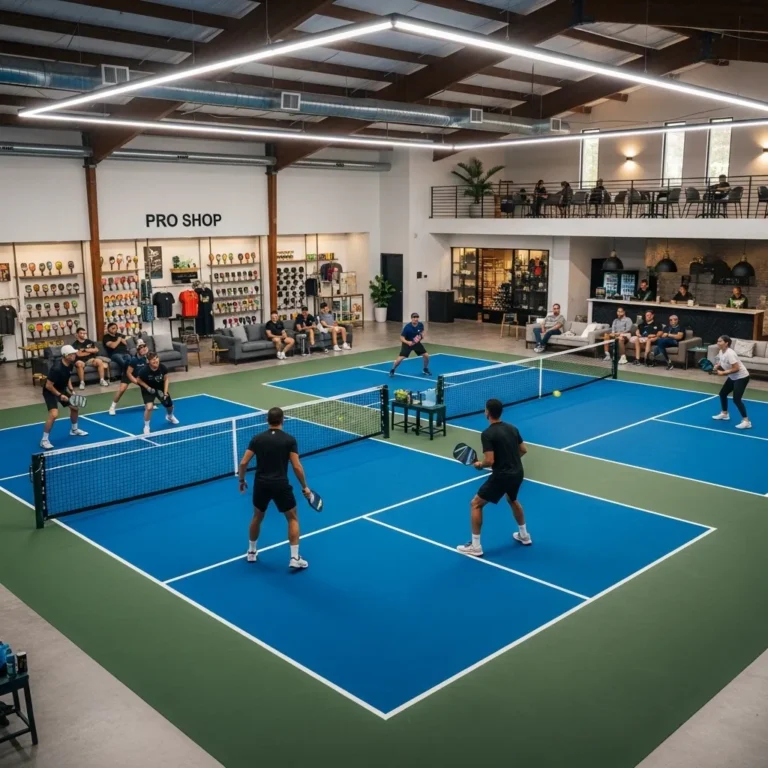
Top-tier clubs also serve as a hub for gear. They typically stock high-performance equipment suited for their specific court surfaces. Using the right footwear is essential; playing on high-grip indoor acrylic requires different traction than outdoor concrete. Members often get first access to drops like the latest K-Swiss pickleball shoes or new paddle technology.
Conclusion: The Final Checklist
Before you sign that contract, ask the membership director these three hard questions:
- “What is the ratio of members to courts?” (Anything over 30:1 is a red flag for access).
- “How strictly do you enforce rating verification for advanced play?”
- “Can I see the court utilization sheet for last Tuesday at 6 PM?”
An elite pickleball club membership is worth it if—and only if—it removes the friction from your game. It should provide a consistent surface, predictable competition, and a community that elevates your play.
For more information on facility standards and court construction ratings, you can visit the official USA Pickleball website.