what is pickleball
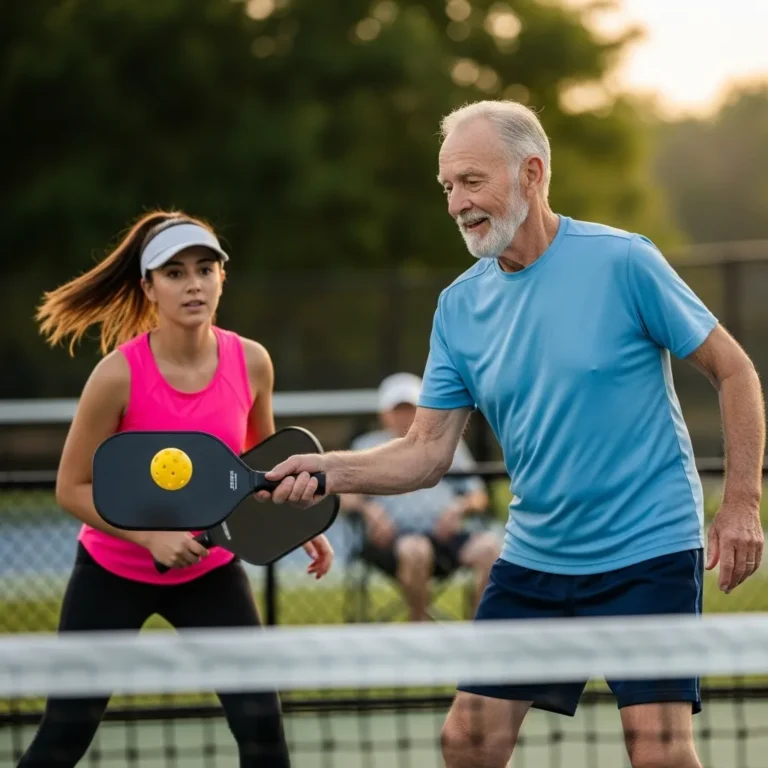
Hey there! If you’ve been hearing buzz about this fun sport called pickleball and you’re wondering what all the fuss is about, you’re in the right place. Imagine a game that’s like a mash-up of tennis, badminton, and ping-pong, but way easier to pick up and super addictive once you start. It’s sweeping across parks, community centers, and even pro leagues, drawing in folks from all walks of life—kids, grandparents, weekend warriors, you name it.
Whether you’re looking to get active, make new friends, or just try something new without a huge time commitment, pickleball might just be your next favorite thing. In this guide, I’ll walk you through everything from the basics to some clever strategies, sharing stories and tips along the way like we’re chatting over coffee. Let’s dive in and explore what pickleball is all about!
The Basics: What is Pickleball?
What exactly is pickleball? (Definition & overview)
Picture this: It’s a sunny afternoon, and you’re on a court that’s about the size of a badminton doubles setup, swinging a paddle at a plastic ball with holes in it. That’s pickleball in a nutshell—a paddle sport that combines elements of several racket games into one that’s accessible and exciting. At its core, pickleball is played with a solid paddle, a perforated plastic ball, and a net that’s a bit lower than in tennis. The goal? Hit the ball over the net so your opponent can’t return it, scoring points along the way.
What makes it stand out is how it levels the playing field. Unlike tennis, where power serves can dominate, pickleball emphasizes strategy, quick reflexes, and finesse. Games are typically fast-paced, lasting 15-30 minutes, making it perfect for a quick workout or social gathering. It’s played indoors or outdoors, on dedicated courts or adapted ones, and it’s inclusive—people with varying fitness levels can join in without feeling overwhelmed. Think of it as the friendly cousin of more intense sports; it’s got the thrill without the intimidation.
Why is it called “pickleball”? (Brief history/origin story)
While many believe the sport was named after a family dog, the true story is actually linked to competitive rowing. You can discover the full evidence-based history of why is it called pickleball in our detailed guide, where we settle the ‘Dog vs. Boat’ debate once and for all. Briefly, the name refers to a “pickle boat” in rowing, which consists of a mismatched crew, mirroring how the game was pieced together from different sports.
How is pickleball different from tennis, badminton, and ping-pong? (Key comparisons)
If you’ve played tennis, badminton, or ping-pong, pickleball might feel familiar yet refreshingly different. Let’s break it down. Compared to tennis, pickleball uses a smaller court (20×44 feet versus tennis’s 36×78 for singles), a lighter paddle instead of a strung racket, and a plastic ball that doesn’t bounce as high. No more chasing balls across a huge court—everything’s more contained, reducing the physical strain.
Badminton shares the net height and shuttlecock-like flight, but pickleball’s ball is heavier and more durable, allowing for outdoor play without wind ruining everything. The underhand serve in pickleball contrasts with badminton’s overhand smashes, making it gentler on the shoulders.
Ping-pong is the closest in terms of paddle use, but pickleball takes it outdoors on a larger scale, adding movement and strategy. No table means more footwork, and the ball’s holes make it slower, encouraging longer rallies. Overall, pickleball borrows the best bits—tennis’s court play, badminton’s volleying, ping-pong’s quick hits—but dials down the intensity for broader appeal. It’s like the Goldilocks of racket sports: just right for most people.
Is pickleball played singles or doubles? (Player formats)
Pickleball shines in both singles and doubles, but doubles is where the magic really happens for most players. In doubles, you team up with a partner, covering the court together, which adds a social layer—think high-fives after a great point or strategizing mid-game. Singles is more intense, relying on your solo agility and stamina, perfect if you want a tougher workout.
Most casual and tournament play leans toward doubles because it’s less demanding physically and more about teamwork. You can switch formats based on your mood or group size; a court fits two to four players comfortably. I’ve seen families where parents play doubles with kids, turning it into a bonding activity. Whatever you choose, the rules adapt seamlessly, keeping the fun front and center.
Why has pickleball become so popular recently? (Trends & accessibility)
Lately, pickleball’s popularity has skyrocketed—think of it as the sport that snuck up on everyone during the pandemic. With gyms closed and people craving outdoor activities, it offered a safe, socially distanced way to stay active. Courts popped up in parks, driveways, and even converted tennis spaces, making it easy to jump in.
Its accessibility is key: low-cost gear (a decent setup under $50), quick learning curve (master basics in an hour), and inclusivity for all ages and abilities. Trends show memberships in USA Pickleball surging from 4,000 in 2010 to over 50,000 today, with pro tours like the PPA drawing crowds and TV coverage. Celebrities like LeBron James and Ellen DeGeneres have jumped on board, boosting its cool factor. Plus, it’s great for mental health—reducing stress through fun competition. In a world of high-pressure fitness fads, pickleball feels like a breath of fresh air, welcoming everyone to the party.
Equipment & Gear: What Do You Need?
What equipment do I need to start playing? (Essential gear checklist)
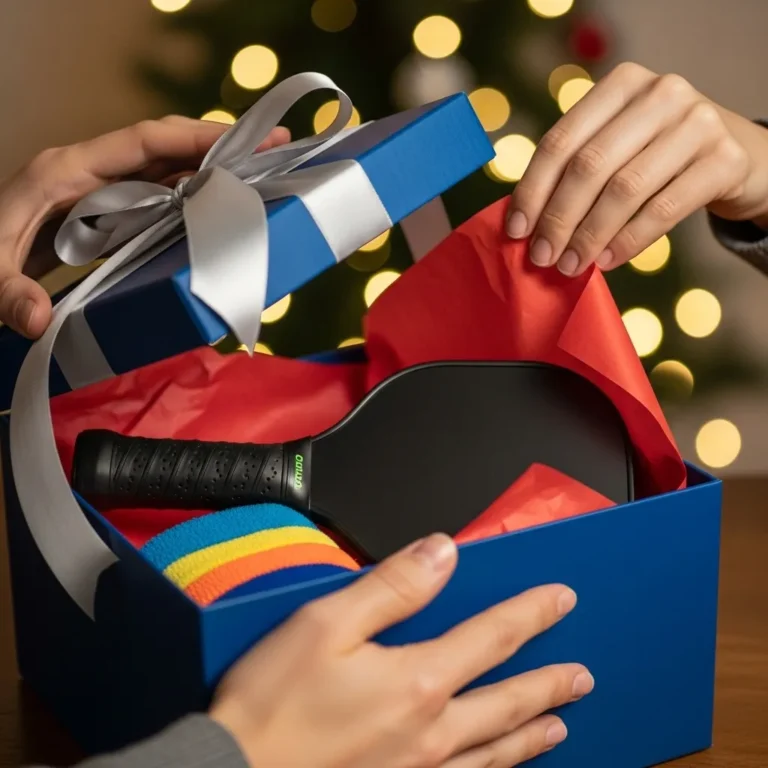
Getting started with pickleball doesn’t require a ton of stuff, which is part of its charm. Here’s your essential checklist: First, a paddle—your main tool, like an extension of your arm. Then, pickleballs—a few indoor or outdoor ones depending on where you’ll play. A net if you’re setting up your own court, though many public spots have them. Comfortable shoes, athletic clothes, and maybe a bag to carry it all.
Don’t forget extras like water bottles for hydration during those energetic rallies, or sunglasses for outdoor games. If you’re playing with friends, borrowing gear at first is fine—many clubs offer demos. It’s all about keeping it simple so you can focus on the fun rather than the fuss.
what is the best pickleball paddle? (Weight, material, grip size)
Picking a paddle feels personal, like choosing a favorite coffee mug. Weight matters: Lighter ones (6-7 ounces) are great for quick maneuvers and less arm fatigue, ideal for beginners or those with joint issues. Heavier paddles (8-9 ounces) pack more power for smashes but might tire you out faster.
Materials vary—composite (graphite or fiberglass) for durability and control, wood for budget-friendly options with a solid feel. Grip size is crucial: Measure your hand from middle finger to palm crease; most adults fit 4-4.25 inches. Try a few at a store; it should feel balanced, not clunky. Remember, a good paddle enhances your game, turning average shots into winners.
What is the difference between indoor and outdoor pickleballs? (Holes, weight, durability)
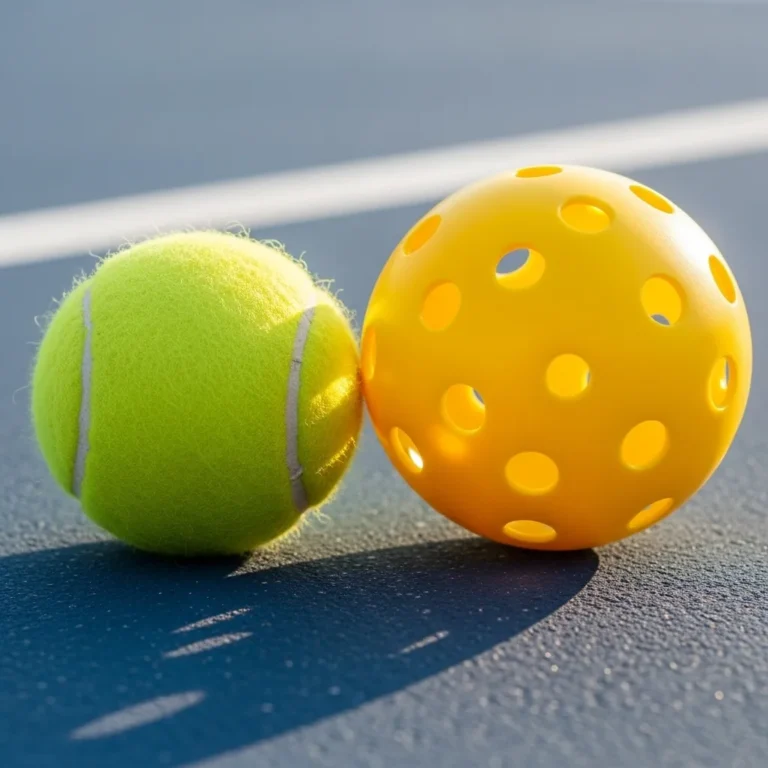
Indoor and outdoor pickleballs might look similar, but they’re tailored for their environments. Outdoor balls have fewer, smaller holes (about 26) to cut through wind, making them heavier and more durable against rough surfaces like asphalt. They bounce higher and last longer outdoors but can feel harsh indoors.
Indoor balls boast more holes (up to 40), lighter weight for softer play on smooth floors, and less wind resistance since they’re sheltered. They’re quieter too, which is a plus in gyms. Durability-wise, outdoors withstand cracks better, while indoors focus on consistent bounce. Mixing them up works in a pinch, but matching the venue keeps the game fair and fun.
Do I need special shoes for pickleball? (Court shoes vs. running shoes)
While you could start in running shoes, dedicated court shoes make a world of difference. Running shoes are built for forward motion with cushioned heels, but pickleball involves side-to-side shuffles and quick stops, so court shoes offer lateral support to prevent ankle rolls.
Look for non-marking soles to avoid scuffing indoor courts, good traction for outdoor grip, and breathable materials to keep feet cool. Brands like Asics or New Balance have pickleball-specific lines now. If you’re playing casually, running shoes might suffice, but for regular games, investing in court shoes feels like upgrading from sneakers to dancing shoes—smoother moves all around.
What are the clothing requirements? (Dress code & comfort)
Pickleball’s dress code is chill—no stuffy uniforms here. Opt for moisture-wicking shirts and shorts to stay dry during sweaty rallies; think breathable fabrics like polyester blends. Layer up for cooler weather with a light jacket.
Comfort is king: Avoid anything restrictive, and choose outfits that let you move freely. Many courts have no strict rules, but closed-toe shoes are a must for safety. Add fun with colorful gear—I’ve seen players in matching team tees, turning games into mini events. Ultimately, wear what makes you feel good; it’s about enjoying the sport, not fashion parades.
The Court: Setup and Dimensions
What are the dimensions of a pickleball court? (Size comparison to tennis)
A standard pickleball court measures 20 feet wide by 44 feet long for doubles, shrinking to 20×34 for singles by ignoring the outer lines. Compared to a tennis court (36×78 feet for doubles), it’s about a quarter the size, meaning less running and more action-packed play.
This compact setup fits easily in backyards or gyms, making it versatile. The non-volley zone (kitchen) extends 7 feet from the net on each side, with baselines 22 feet apart. It’s like a cozy version of tennis—intimate enough for strategy without exhausting sprints.
Can I play pickleball on a tennis court? (Conversion & lines)
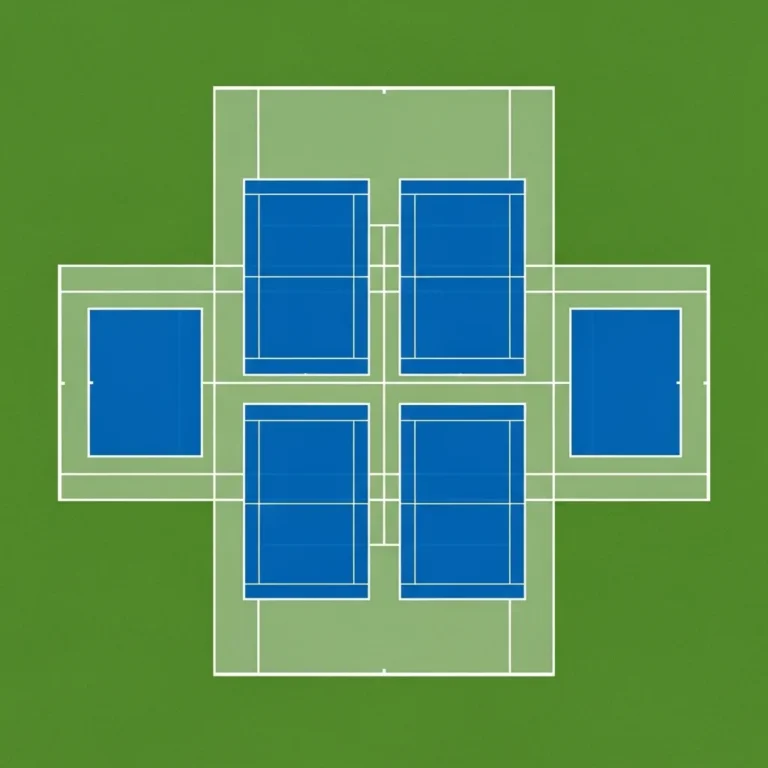
Absolutely, and it’s a common hack! Many tennis courts get converted by adding temporary pickleball lines—usually in a different color like yellow or white tape. A single tennis court can host up to four pickleball courts, maximizing space.
Just mark the 20×44 rectangle, lower the net to 34 inches at the center, and you’re set. Portable nets work if permanent changes aren’t allowed. This accessibility has fueled growth; communities repurpose underused tennis spaces, bringing new life to old courts with minimal effort.
How high should the pickleball net be? (Specific height requirements at center vs. posts)
The net height is precise: 36 inches at the posts, dipping to 34 inches at the center for a slight sag. This setup encourages volleys while preventing easy slams over the top.
Measure from the court surface; too high, and serves struggle; too low, and it’s unfair. Portable nets often have adjustable straps for accuracy. It’s a small detail, but getting it right ensures balanced play, like tuning a guitar for the perfect sound.
Gameplay Rules: How to Play
What are the 5 basic rules of pickleball every beginner must know? (Core rules summary)
If you’re new, these five rules will get you playing confidently. First, the serve must be underhand, below the waist, and diagonal. Second, the two-bounce rule: The ball must bounce once on each side after the serve before volleys.
Third, stay out of the kitchen for volleys—feet can’t touch while hitting airborne balls. Fourth, scoring only on your serve, up to 11 points, win by two. Fifth, faults end points—like hitting out or into the net. Master these, and you’re off to a great start, avoiding common newbie mishaps.
How does serving work in pickleball? (Underhand motion, diagonal path, “drop serve” rules)
Serving is straightforward and forgiving. Use an underhand swing, contacting the ball below your waist, paddle head below wrist. Aim diagonally across the court, clearing the kitchen line.
The drop serve lets you bounce the ball first before hitting—great for consistency. Only one attempt per serve, unless it’s a let (net touch but in). It’s like a gentle invitation to rally, setting a fair tone from the get-go.
What is the “Two-Bounce Rule”? (Explaining the bounce requirement after the serve)
The two-bounce rule keeps things strategic: After the serve, the receiver lets it bounce once, then the server does the same on the return. After that, volleys are fair game.
This prevents aggressive net rushes early on, giving everyone a chance to settle in. Imagine it as a polite warm-up before the real action—once those bounces happen, the pace picks up, leading to exciting exchanges.
What are “faults” in pickleball? (Common ways to lose a point)
Faults are the oops moments that cost points. Common ones: Serving into the net or out of bounds, stepping into the kitchen during a volley, or hitting the ball before it bounces when required.
Others include double-hits or carrying the ball on your paddle. In doubles, if your partner faults, it’s on the team. Etiquette matters—call your own faults honestly. It’s all part of the learning curve, turning mistakes into better plays next time.
How do line calls work? (In vs. out rules & etiquette)
Lines are in— if the ball touches any part of the line, it’s good, except the kitchen line on serves (must clear it). Out calls are for balls completely outside.
In casual play, players call their own side; honesty builds trust. For disputes, replay the point. Good etiquette means clear, prompt calls without arguments—keeps the vibe friendly, like a group deciding on pizza toppings.
The “Kitchen” (Non-Volley Zone)
What is the “Kitchen” in pickleball? (Definition of the Non-Volley Zone)
The “kitchen” is pickleball slang for the non-volley zone—a 7-foot area on both sides of the net where you can’t volley (hit airborne balls). It’s designed to prevent smash dominance, promoting dinks and strategy.
Stepping in to volley is a fault, but you can enter after the ball bounces. It’s like a no-fly zone, forcing clever play and adding depth to the game.
Can I step into the Kitchen at all? (Clarifying when entry is legal vs. illegal)
You can step into the kitchen anytime—as long as you’re not volleying. Retrieve bounced balls, reset position, no problem. But if your momentum carries you in after a volley outside, that’s a fault.
Legal: Entering post-bounce. Illegal: Volleying with feet in or on the line. It’s about timing, like dancing around a puddle—stay aware to avoid slips.
Does the line count as part of the Kitchen? (Foot placement rules)
Yes, the kitchen line is part of the zone—touching it during a volley counts as in. Your feet must be completely behind it for airborne hits.
For groundstrokes, lines don’t matter as much. Precision here prevents faults; think of it as a boundary line in hopscotch—step on it at the wrong time, and you’re out.
Can a serve land in the Kitchen? (Specific service rule regarding the NVZ line)
No, serves must land beyond the kitchen line—touching it is a fault. The ball has to clear the non-volley zone entirely.
This rule ensures receivers have space to return without immediate pressure. It’s a key difference from other sports, emphasizing placement over power right from the serve.
Scoring: Understanding the Numbers
How does scoring work in pickleball? (Side-out scoring explanation)
Pickleball uses side-out scoring—you only score when serving. If you win a rally on your serve, add a point; lose, and serve switches (side-out).
Games go to 11, win by two. It’s motivating, as comebacks are possible. Track scores aloud before each serve to avoid mix-ups, like announcing scores at a board game night.
Why are there three numbers in the score (e.g., 0-0-2)? (Server number explanation in doubles)
In doubles, scores have three parts: Serving team’s points, receiving team’s, and server number (1 or 2). Like 0-0-2 means game start, second server.
This tracks rotations—if the first server faults, it becomes -1, then side-out on the second’s fault. It’s a clever system, ensuring fair turns and adding a layer of awareness.
What score do you play to? (Winning points & “win by 2” rule)
Standard games are to 11 points, but you must win by at least two—like 11-9, not 11-10. Tournaments might go to 15 or 21 for longer matches.
The “win by 2” keeps tension high, leading to epic deuces. It’s satisfying to clinch that final point after a close battle, feeling like a mini victory lap.
Advanced Strategy & Common Scenarios
what is a dink in pickleball and why is it important? (Strategy explanation)
Dinking is softly hitting the ball just over the net into the kitchen, forcing opponents to hit up—setting up for your next move. It’s like a chess game at the net, building patience and control.
Important because it neutralizes power players, turning games into mind battles. Master dinking, and you’ll win more points through smart placement than brute force. Stories of pros dinking for minutes highlight its art.
What is the “third shot drop”? (Tactical gameplay)
The third shot drop is a soft, arcing shot after the serve and return, landing in the kitchen to neutralize advantage. It’s the transition from baseline to net.
Tactically, it lets your team advance safely. Poor execution leaves you vulnerable; done right, it’s a game-changer. Practice it like a golfer’s chip shot—precision over power.
What happens if the ball hits a player? (Body contact rules)
If the ball hits you before bouncing (except on serve), it’s a fault on you—point to opponents. On serve, it’s a let if it hits the receiver.
Avoid blocking with your body; it’s not allowed. Funny moments arise, like dodging a wild shot, but safety first—wear protective gear if needed.
Can the ball hit the net and still be good? (Net cord rules on serves vs. rallies)
In rallies, net touches are fine if the ball goes over—play continues. On serves, if it touches and lands in, it’s a let (re-serve); if out, fault.
This forgiving rule adds unpredictability, like a lucky bounce in life. It keeps games flowing without constant stops, enhancing the enjoyment.