six zero pickleball
In the rapidly evolving world of pickleball equipment, few brands have disrupted the status quo quite like Six Zero Pickleball. Unlike the marketing-heavy giants that dominate the big box stores, Six Zero emerged from Australia with an engineering-first mindset, gaining traction almost exclusively through word-of-mouth on Reddit, Discord, and local courts.
If you are an intermediate to advanced player, you have likely heard the whispers—or perhaps the loud “pop”—of their paddles on the court. Six Zero was at the forefront of the “Thermoformed” revolution. This manufacturing process involves heat-sealing the edges and injecting foam around the perimeter, creating a unibody construction that offers distinct power and stability advantages over legacy “sandwich” style paddles.
However, with new technology comes new questions. Which model fits your game? Has the brand resolved the early durability hiccups associated with thermoforming? In this guide, we dive deep into the technical specifications, comparisons, and real-world performance of the Six Zero lineup.
The Flagship Battle: Comparing the Models
When browsing the Six Zero catalog, the naming convention can be slightly confusing for the uninitiated. The differences between the models are not just cosmetic; they represent fundamental shifts in materials and playability.
Double Black Diamond (DBD) vs. Black Diamond (BD)
This is the most common point of confusion for buyers. While they look nearly identical, the difference lies in the face material and the resulting ball response.
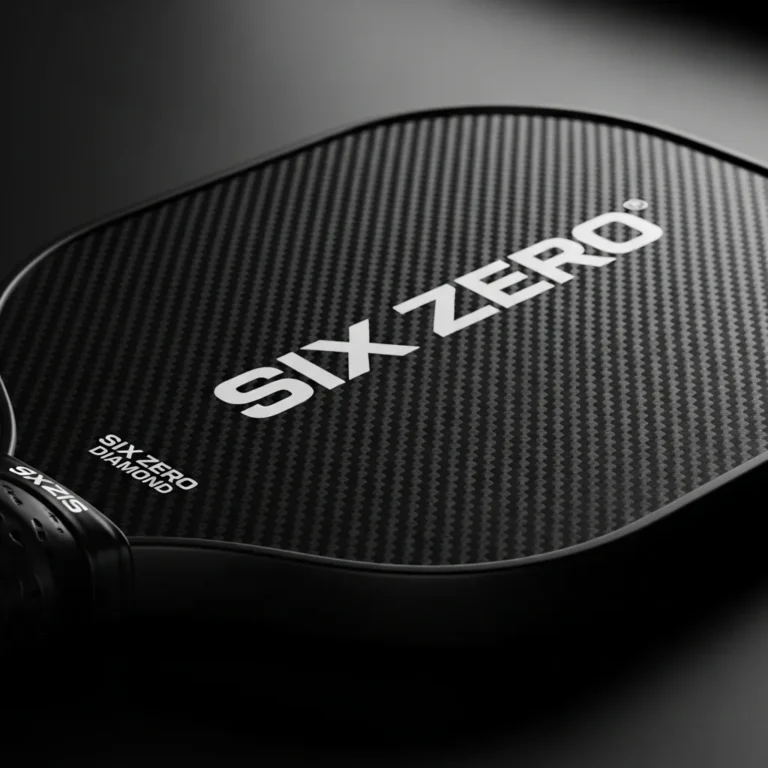
- The Double Black Diamond (DBD): This is the brand’s best-seller and is generally classified as a control-leaning all-court paddle. It features a Raw Carbon Fiber face. The carbon fiber provides a plush feel, high spin rates, and a “crisp” response that allows for precise resets and dinks. If you are looking for a paddle that balances power with forgiveness, you can learn more about the Double Black Diamond pickleball paddle here.
- The Black Diamond (BD): This is the “Power” version. It utilizes a Fiberglass Composite face. Fiberglass is stiffer and provides more energy return (pop) than carbon fiber. The BD is significantly poppy and plays faster. It is ideal for bangers and players who struggle to generate their own power, but it sacrifices some of the soft-touch control found in the DBD.
The Ruby (Kevlar)
The Six Zero Ruby is the unicorn of the lineup. It was the first mass-market paddle to successfully utilize a 100% Aramid Fiber (Kevlar) face cloth. Unlike carbon fiber, which is stiff, Kevlar has high abrasion resistance and unique dampening properties.
The Ruby is often described as having a “magnetic” feel. Because the material is slightly more grippy and has different elasticity than carbon, it tends to hold the ball on the face for a fraction of a second longer (dwell time). For players obsessed with spin and a softer, more muted feel at impact, the Ruby pickleball paddle is often the preferred choice over the DBD.
The Infinity Series
The Infinity line takes the core characteristics of the DBD and BD but removes the traditional edge guard. These are “Edgeless” aerodynamic paddles.
- Pros: They cut through the air faster, increasing hand speed at the kitchen line.
- Cons: Without the weight of the edge guard, the sweet spot can feel slightly smaller, and the twist weight (stability) is often lower unless you customize it with lead tape.
Deep Dive: The Six Zero Ruby (The Crowd Favorite)
The Six Zero Ruby created a frenzy upon release, selling out instantly for months. But is the Kevlar face a gimmick, or does it offer a tangible performance benefit?
Analyze the hype: Does Kevlar actually increase dwell time?
The short answer is yes. In comparative testing, the Aramid fibers of the Ruby provide a stark contrast to the Raw Carbon Fiber of the Double Black Diamond. When you contact the ball, the Ruby feels “plush.” It doesn’t have the harsh vibration that some stiff thermoformed paddles transmit.
This increased dwell time allows players to “shape” their shots more effectively. If your game relies heavily on top-spin drives, rolling volleys, and aggressive cuts, the Ruby complements that style perfectly. However, the trade-off is a slight reduction in “pop” compared to the DBD. You have to swing a little harder to put the ball away, but your drop shots will feel more controlled.
Price-to-Performance Ratio
The Ruby generally commands a higher price point (typically 20 − 30 more) than the Double Black Diamond due to the cost of sourcing and manufacturing Aramid fiber. Is it worth it?
- Yes: If you prioritize feel, comfort, and spin above all else.
- No: If you prefer a crisp, poppy response or are budget-conscious. The DBD is still 95% of the paddle for a lower price.
Technical Performance & Feel (Specs for Nerds)
For the gear junkies, let’s break down the metrics that actually dictate how these paddles perform on the court.
14mm vs. 16mm: Which Thickness is For You?
Six Zero offers most models in both 14mm and 16mm core thicknesses. Choosing the right one is critical to your game mechanics.
- 16mm (The Control Choice): The thicker core absorbs more energy from the ball. This makes blocking drives and resetting the ball into the kitchen significantly easier. If you are struggling with popping the ball up, the 16mm offers the stability you need. For more on mastering the soft game, check out our guide on the pickleball dink.
- 14mm (The Hand Speed Choice): The thinner core is poppier and stiffer. The ball spends less time on the face, rocketing off faster. Furthermore, 14mm paddles are usually slightly lighter and more maneuverable, aiding in hand battles at the net.
Swing Weight & Twist Weight Reality
One of the reasons Six Zero became popular is their focus on “Hybrid” shapes (flared top, curved bottom). This shape optimizes swing weight.
- Swing Weight: The Six Zero DBD 16mm typically clocks in around 114-116. This is the “Goldilocks” zone—heavy enough to drive through the ball, but light enough to flip your wrist for a scorpion shot.
- Twist Weight: Thanks to the thermoformed foam injected around the perimeter (edge walls), the DBD has a twist weight of around 6.5 – 6.8. This is high for a hybrid shape, meaning the paddle resists twisting in your hand when you mishit the ball near the edge.
Spin Potential
Both the DBD and Ruby are top-tier spin generators.
- DBD (Carbon): consistently tests in the 1,900 – 2,000 RPM range.
- Ruby (Kevlar): consistently tests in the 2,000 – 2,100+ RPM range.
The cross-weave pattern of the peel-ply texture on these paddles bites the ball aggressively. If you are moving from a cheap beginner paddle, the dip you will see on your drives will be shocking. To understand how to select a paddle based on these specs, read our article on how to pick a pickleball paddle.
Quality, Durability & The “Crunch”
We cannot discuss thermoformed paddles without addressing the elephant in the room: durability issues that plagued the industry in 2023.
Addressing Delamination History
When Six Zero (and competitors like CRBN and Vatic Pro) first launched thermoformed paddles, a common issue was “Core Crushing” or delamination. This occurred when the bond between the honeycomb core and the face sheet broke, or the core itself collapsed, leading to a paddle that made a “crunching” sound and hit with illegal levels of power (the trampoline effect).
The Fix: Six Zero was one of the first to pause production to address this. Their “Gen 2” and current “Gen 3” batches use improved resin and tighter manufacturing tolerances. While no paddle is immune to defects, the widespread delamination issues of the past are largely resolved in the current stock.
Face Durability
- Carbon Fiber (DBD): The grit is created by a peel-ply texture impressed into the resin. Over time (6-9 months of heavy play), this texture will smooth out, and spin will decrease.
- Kevlar (Ruby): Kevlar is incredibly abrasion-resistant. The texture tends to last longer than carbon, but it has a downside: it gets dirty. The red fibers attract ball dust and dirt, which can fill the weave and reduce spin if not cleaned.
Warranty & Customer Support
Six Zero offers a 6-month warranty against manufacturing defects. This covers:
- Core crushing (if the paddle rattles or makes a crunch sound).
- Broken handles.
- The warranty does not cover normal wear and tear, such as edge guard scrapes or the natural smoothing of the face texture.
Customization & Ergonomics
Buying the paddle is step one; setting it up for your hand is step two.
The Grip Sizing Warning
This is the most common complaint from new Six Zero owners. The stated grip size is usually 4.125″ (4 1/8), but because the handle is molded as part of the unibody (exposed polymer), it often feels smaller and more rectangular than traditional pallet handles.
If you have large hands, you will likely need to build the grip up. Many players add one or even two overgrips to achieve a standard feel. If you are unsure about grip mechanics, review our guide on pickleball grips.
Lead Tape Setup
While the stock weight is balanced, many advanced players add lead tape to increase stability.
- 3 and 9 o’clock: Adding 3 grams here increases the sweet spot size and stability (twist weight) but will slow down your hands.
- Throat (near the handle): Adding weight here increases the overall static weight without significantly impacting how heavy the paddle feels to swing. This is good for players who want more mass behind their blocks.
Maintenance
- DBD (Carbon): Use a rubber abrasive cleaner (often called a “carbon eraser”) to remove ball dust.
- Ruby (Kevlar): Do not use a rubber eraser. The friction can fray the Kevlar fibers, making the paddle fuzzy. Instead, use a damp microfiber cloth or a soft bristle brush with water to clean the weave.
Frequently Asked Questions (FAQ)
What is the actual difference between the Double Black Diamond (DBD) and the standard Black Diamond (BD)?
The DBD uses a Raw Carbon Fiber face for control and spin, while the BD uses a Fiberglass Composite face for maximum power and pop. The DBD is better for all-around play; the BD is for power hitters.
How does the Six Zero Ruby (Kevlar) compare to the Double Black Diamond (Carbon Fiber)?
The Ruby feels softer, has a higher dwell time, and generates slightly more spin. The DBD feels crisper and offers a bit more pop on drives. The Ruby is also more durable regarding surface grit.
How does the Infinity Double Black Diamond differ from the edged version?
The Infinity is edgeless. It has a lower swing weight (swings faster) but is slightly less stable on off-center hits. It is also more prone to chipping if you scrape the ground, as there is no plastic bumper to protect it.
Is the 4.125″ grip size true to size?
It generally runs small. The handle shape is slimmer than brands like Joola or Selkirk. Expect to use an overgrip immediately.
Has Six Zero fully resolved the core crushing/delamination issues?
Six Zero has implemented strict quality control since late 2023. While isolated incidents can happen with any thermoformed paddle, the systemic “core crush” issues are considered resolved in the current generations.
Where is the best placement for lead tape on a Six Zero DBD?
For most players, placing small strips at the “throat” (bottom corners of the paddle face) adds stability without ruining hand speed. If you want maximum plow-through, place tape at the 3 and 9 o’clock positions.
Recommended Reading
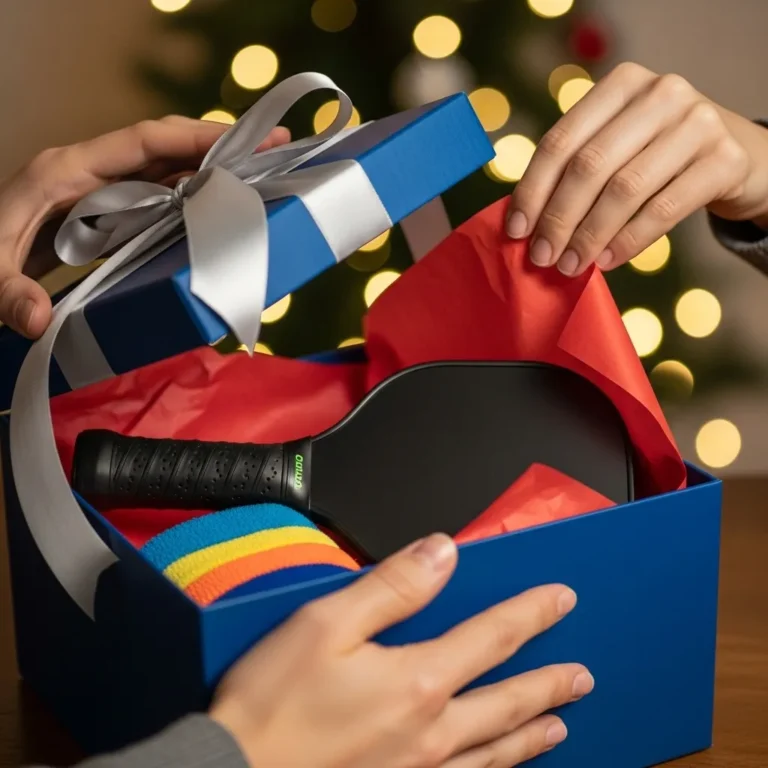
Top Pickleball Gifts 2025:From Stocking Stuffers to Pro Gear
Looking for unique pickleball gifts? We break down practical gear, funny apparel, and budget-friendly ideas to help you surprise the player in your life.
Conclusion & Final Verdict
Six Zero Pickleball has successfully transitioned from a niche “insider” secret to a top-tier contender that rivals major brands. Their transparency regarding engineering and their willingness to fix early production issues has earned them high trust in the community.
Which one should you buy?
- Buy the Double Black Diamond (DBD) if you want the safest bet—a perfect blend of power, control, and spin that works for 90% of players. It is arguably the best all-court paddle on the market.
- Buy the Ruby if you are a “feel” player who wants maximum spin and a plush sensation at impact, and you don’t mind paying a premium.
- Buy the Black Diamond (BD) if you feel your game lacks power and you want a paddle that does the work for you on put-away shots.
Before making your final purchase, always check that your paddle is certified for tournament play. You can verify the latest models on the USA Pickleball Approved Paddle List.
If you are still weighing your options against other market leaders, you can compare the Six Zero lineup against other top pickleball paddles to see how they stack up.
you may like it