franklin pickleball paddle
If you have spent any time near a pickleball court in the last few years, you have almost certainly seen that distinctive “f” logo. Maybe you saw it in the hands of a local player who hits surprisingly good drops, or perhaps you noticed it on TV during a championship Sunday. When we talk about the explosion of pickleball, it’s impossible to have that conversation without bringing up the Franklin pickleball paddle.
I remember when I first started taking the game seriously. I was overwhelmed by the sheer number of options—carbon fiber this, thermoformed that, prices ranging from the cost of a nice lunch to a car payment. It’s a lot. But Franklin has always occupied this unique space in the sport. They managed to bridge the gap between “I just bought this at a supermarket” and “I am training for the pro tour.”
For a long time, the Franklin Ben Johns Signature paddle was the gold standard. It was the paddle that proved you didn’t need to spend $250 to compete at a high level. But things move fast in this sport. New technology drops every month, and players are asking valid questions: Is Franklin still the king of value? Have their newer models kept up with the spin-heavy, power-centric game of today?
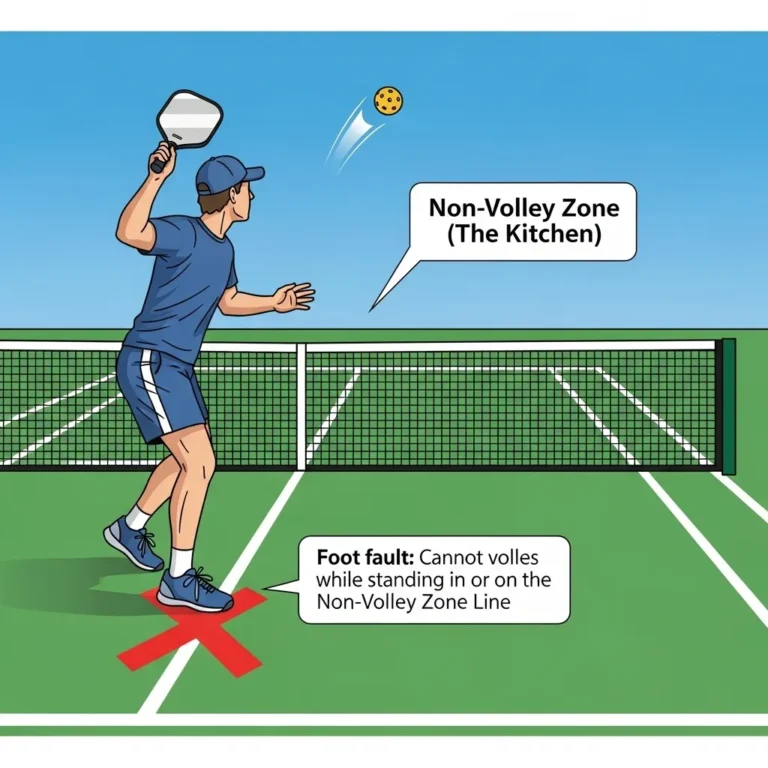
In this guide, we are going to cut through the marketing noise. We aren’t just looking at spec sheets; we are going to talk about what these paddles actually feel like when you’re standing at the kitchen line, facing down a banger. Whether you are a total newbie looking for your first “real” paddle or a seasoned 4.0 player wondering if the new FS Tour is worth the upgrade, we’ve got you covered. Let’s dive in.
Model Selection & Overview
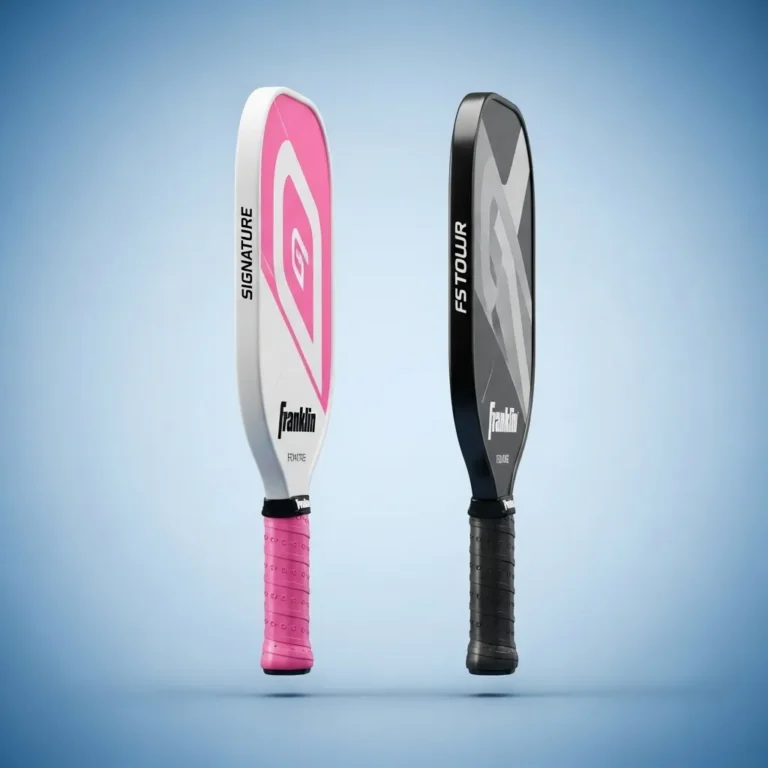
Before we get into the nitty-gritty of millimeter thickness and surface textures, we need to look at the big picture. Franklin has expanded its lineup significantly, and it can get a little confusing. You essentially have two main families: the classic Signature line and the modern FS Tour line. Choosing the right one is the first step in improving your game.
What are the main differences between the Franklin Signature Series and the FS Tour Series?
Think of this comparison like looking at two different generations of sports cars. The Franklin Signature Series (often referred to as the Ben Johns paddle, though there are other variations) is the classic muscle car. It relies on a fiberglass surface and a polypropylene core. It feels raw, poppy, and incredibly lively. When you hit the ball with a Signature paddle, you know it. The ball jumps off the face. It’s famous for that distinct “crack” sound and is beloved by players who want easy power and hand speed without a heavy swing weight.
On the other hand, the FS Tour Series is the modern, high-tech upgrade. Franklin realized that the game was shifting toward spin and durability, so they engineered the FS Tour (available in the Dynasty and Tempo shapes). The biggest difference here is the construction. The FS Tour uses a unibody design (thermoformed) with a raw carbon fiber surface.
In plain English? The FS Tour is stiffer and more durable, and the carbon fiber grabs the ball much better than the fiberglass of the Signature series. While the Signature series gives you “pop” (the ball flies off quickly), the FS Tour gives you “plow through” and consistency, allowing you to shape your shots with more spin. If you want the classic, poppy feel, you go Signature. If you want the modern, muted, spin-heavy performance that rivals the top-tier brands, you go FS Tour.
Which Franklin paddle is best suited for beginners versus advanced players?
This is usually a straightforward answer, but it depends on your athletic background.
For beginners, the Franklin Pilot or the base-level Signature paddle is often the best starting point. If you are just learning to keep the score and hit the ball over the net, you don’t need a high-performance carbon fiber weapon yet. The standard Signature paddle is forgiving enough that it won’t punish you for off-center hits, but it has enough pop to help you get the ball deep without swinging out of your shoes. Plus, the price point makes it a low-risk investment.
For advanced players, or even intermediate players who are starting to play in local tournaments, the conversation shifts to the FS Tour Series or the 16mm Signature Carbon. Advanced play is all about control, resets, and spin. As your opponents hit harder, you need a paddle that can absorb that energy. The FS Tour Dynasty (16mm) is excellent here. It provides the stability needed to block hard drives and the gritty surface required to hit rolling volleys.
However, don’t rule out the classic Signature paddle for advanced play completely. There are still plenty of 5.0 players who swear by the 13mm Ben Johns Signature because they love the hand speed for quick volley battles. It really comes down to whether you prefer a “soft” feel (go FS Tour) or a “crisp” feel (go Signature).
Is the Franklin Ben Johns Signature paddle still a competitive option in 2025?
This is the question I hear most often. With brands like Joola, Six Zero, and CRBN releasing aerospace-grade paddles, does the old reliable Franklin Signature still hold up?
The honest answer is: Yes, but with caveats.
The Franklin Ben Johns Signature paddle remains one of the best value-for-money offensive paddles on the market. If your game is built around fast hands, flicks, and aggressive put-aways, this paddle is still a beast. The fiberglass face provides a level of pop that many muted carbon fiber paddles struggle to replicate.
However, the game has evolved to favor heavy topspin, and this is where the classic Signature paddle shows its age. The grit on the Signature series is a spray-on texture, whereas newer paddles use raw carbon fiber texture. The Signature generates decent spin, but it won’t generate the crazy dipping passing shots you see from modern tech paddles.
If you are a competitive player who relies on shaping the ball and hitting drop shots from the baseline, you might find the classic Signature a bit lacking compared to modern options. But if you are a banger, an aggressive volleyer, or someone who plays recreationally and wants a high-quality paddle without spending $250, it is absolutely still competitive. It’s a legend for a reason.
Specifications & Performance
Once you’ve narrowed down which model looks right for you, you’re faced with numbers. 13mm? 16mm? MaxGrit? It sounds like engineering homework, but it actually translates directly to how the paddle feels in your hand. Let’s break down the specs so you can buy with confidence.
Should I choose the 13mm or 16mm core thickness for my Franklin paddle?
This is the single most important decision you will make regarding the “feel” of your paddle. The difference of 3 millimeters might seem negligible, but on the court, it’s night and day.
Think of the 13mm core like a trampoline. It’s thin and rigid. When the ball hits it, the energy returns instantly. This creates power. If you struggle to put the ball away or you feel like you have to swing too hard to get depth on your serves, the 13mm is your friend. It is generally lighter and faster in the hands. However, the downside is that the sweet spot (the area where the hit feels good) is smaller, and the paddle will vibrate more on impact.
Now, imagine the 16mm core as a pillow or a mattress. It’s thicker and absorbs more energy. When the ball hits a 16mm core, it dwells on the face for a fraction of a second longer. This creates control. If you love the soft game—dinking, resetting hard drives into the kitchen, and placing the ball precisely—you want the 16mm. It feels softer, more stable, and typically has a larger sweet spot.
For most recreational to intermediate players, I almost always recommend the 16mm. The extra control and stability help reduce unforced errors, which is the quickest way to win more games. Only choose the 13mm if you are confident in your soft hands and want extra firepower.
How does the surface texture (MaxGrit technology) affect spin generation?
Franklin markets their surface texture as “MaxGrit.” If you run your fingers over a fresh Franklin paddle, it feels like medium-grit sandpaper. This roughness is crucial for spin.
Here is the physics of it: When you hit the ball, friction grabs the plastic surface of the pickleball. If you are brushing up on the ball (for topspin) or slicing under it (for backspin), that friction causes the ball to rotate.
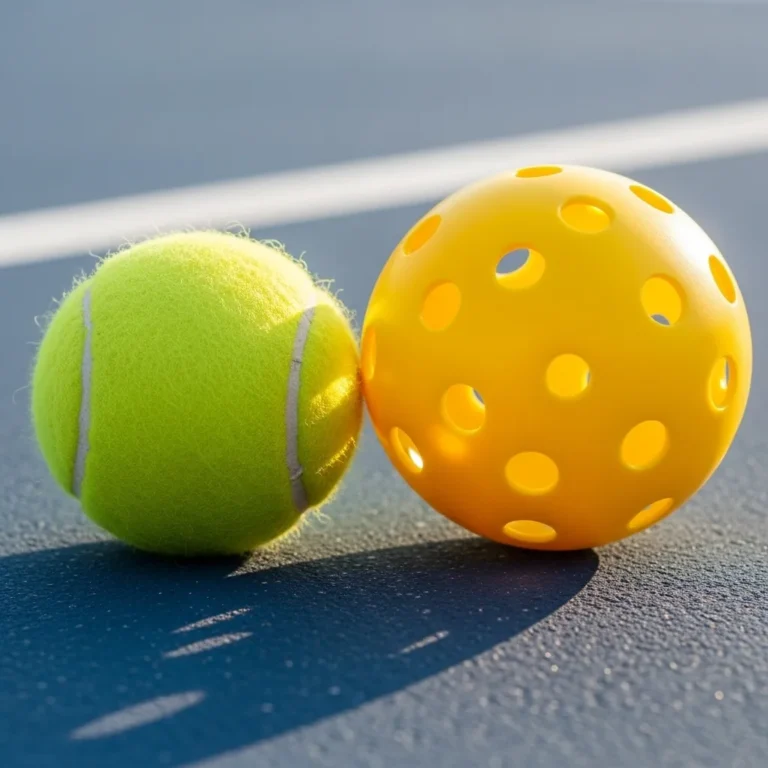
Franklin’s MaxGrit is undeniably effective right out of the box, especially when paired with the official franklin x40 pickleball, the ball used in major tournaments like the US Open. It grabs the ball well, allowing for aggressive cuts and slices. On the Signature series (fiberglass), the MaxGrit is a textured spray applied to the top. It creates a high-friction surface that helps you keep the ball in the court when swinging hard.
On the newer FS Tour models, the texture comes from the Raw Carbon Fiber itself, combined with a textured peel ply. This is generally more effective for spin than the overlay used on the fiberglass models. If your game relies on heavy spin serves or dipping drives, the interaction between the ball and the MaxGrit surface is what makes those shots possible. Without that texture, the ball would slide off the face, floating long or hitting the net.
suggestion: “Franklin’s MaxGrit is undeniably effective right out of the box, especially when paired with the official Franklin X-40 pickleball, the ball used in major tournaments like the US Open. It grabs the ball well, allowing for aggressive cuts and slices.”
Are Franklin paddles considered power-oriented or control-oriented?
Franklin has an interesting reputation here because they actually straddle the line, but historically, they lean toward power.
The classic Signature paddle is widely known as a power paddle. The fiberglass face is reactive. It wants to send the ball flying. Even the 16mm version of the Signature paddle has more “pop” than a 16mm Joola or Selkirk simply because of that fiberglass material.
However, the new FS Tour line is an attempt to balance the scales. The FS Tour Dynasty (16mm) is definitely a control-oriented paddle. It’s plush, muted, and absorbs speed. Conversely, the FS Tour Tempo (13mm) is a lightning-fast power paddle.
So, the verdict?
- Signature Series (Fiberglass): Leans heavily toward Power/Pop.
- FS Tour 16mm: Leans toward Control/Spin.
- FS Tour 13mm: Leans toward Power/Hand Speed.
If you buy a standard Franklin Signature expecting a soft, pillowy reset paddle, you might be surprised by how hot it comes off the face. You have to have soft hands to tame the Signature series.
Durability & Quality Control
We have to keep it real. If you browse Reddit or the Pickleball Forum, you will see threads discussing Franklin’s durability. Because these paddles are mass-produced and more affordable than boutique brands, there are specific things you need to watch out for.
How durable is the surface grit on Franklin paddles over time?
This is the most common critique of the Franklin Signature (fiberglass) line. The MaxGrit surface is excellent when you unwrap the plastic, but it does have a lifespan. Because it is an applied texture rather than an inherent part of the material (like raw carbon fiber weave), it can wear down over time.
If you play 3-4 times a week, you might notice the “sweet spot” area becoming smoother after 3 to 4 months. The edges will retain the grit, but the center—where you hit most shots—will lose some of that sandpaper feel.
Does this ruin the paddle? Not necessarily. You can still play great pickleball with a smoother surface; you just lose some of that effortless spin potential. However, this is one area where the FS Tour Series is a massive upgrade. The carbon fiber texture on the FS Tour lasts significantly longer because the texture is integral to the face material. If longevity of spin is your number one priority, skip the Signature and go for the FS Tour.
Do Franklin paddles have issues with delamination or core crushing?
“Delamination” (the face separating from the core) and “Core Crushing” (the honeycomb breaking down) are buzzwords that scare a lot of players.
Historically, the Franklin Signature series has been very reliable regarding core integrity. Because they aren’t thermoformed (hot molded), they don’t suffer from the “disbonding” issues that plagued some high-end brands in 2023. The core usually stays intact for the life of the paddle.
However, the FS Tour series, being a thermoformed paddle, carries a slightly higher risk of these modern defects—though Franklin seems to have quality control handled relatively well compared to the first wave of thermoformed paddles on the market.
The more common issue with Franklin paddles isn’t the core crushing; it’s the edge guard. Sometimes the edge guard can become loose at the throat of the paddle. A little bit of super glue usually fixes this in five seconds, but it is something to be aware of.
What is covered under the Franklin pickleball paddle warranty policy?
It is crucial to keep your receipt! Franklin offers a warranty, but it is generally stricter than some of the premium $250 brands. Typically, Franklin offers a limited warranty (often 90 days to 6 months depending on the specific promotion or retailer) against manufacturing defects.
This covers things like the handle snapping, the face cracking, or the edge guard flying off during normal play. It does not cover normal wear and tear—and this is key. They will not replace a paddle just because the grit wore down or because you scraped the edge guard on the ground trying to dig out a low ball.
Compared to brands that offer 1-year or lifetime warranties, Franklin’s policy is more basic. However, considering you are often paying half the price of the competitors, many players accept this trade-off. They’d rather buy two Franklins a year for the price of one premium paddle.
Comparisons & Value
We are almost at the checkout line. You know the specs, you know the risks, but how does Franklin stack up against the other giants on the shelf?
How does Franklin compare to other brands like Joola or Selkirk in terms of price-to-performance ratio?
This is Franklin’s superpower. When it comes to price-to-performance, Franklin is arguably the best in the business.
Let’s look at the math. A top-tier Joola Gen 3 or a Selkirk Luxx typically retails between $220 and $280. A Franklin FS Tour is usually around $150, and the Signature series can often be found on sale for under $100.
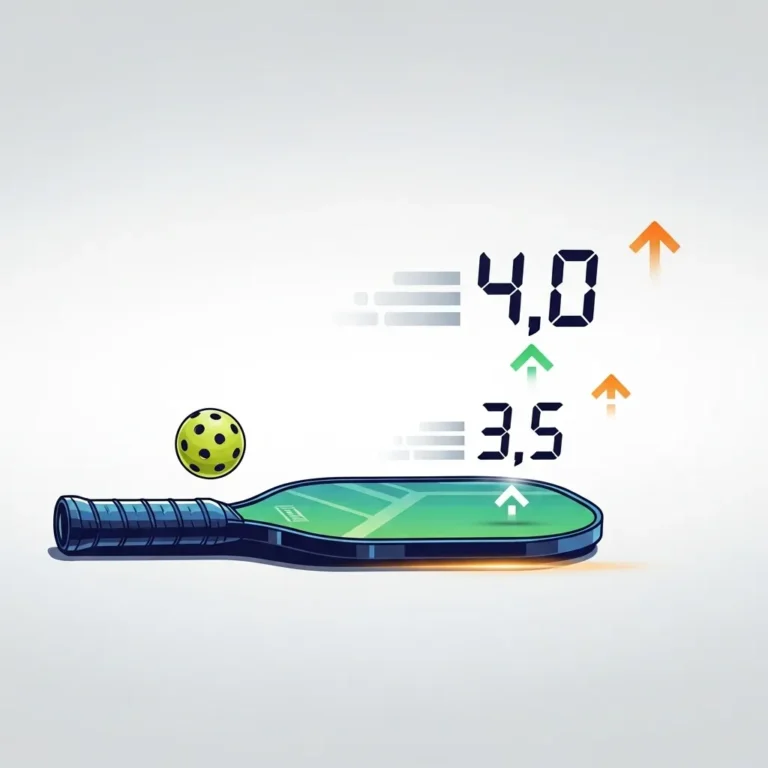
Is the $250 paddle twice as good as the Franklin? For 95% of players, the answer is no. A 4.0 player using a Franklin will still beat a 3.5 player using a $280 paddle every single time.
Franklin paddles offer about 90% of the performance of the “super paddles” for about 50-60% of the cost. If you are on a budget, Franklin allows you to get competitive equipment without breaking the bank. If money is no object and you want the absolute cutting-edge, aerospace engineering, Joola or Selkirk might edge Franklin out slightly in terms of sweet spot size and spin tech. But for value? Franklin wins.
Is the Franklin Pilot or Activator set worth it for recreational play?
If you are just looking to hit a plastic ball around with your kids in the driveway or play once a month at the YMCA, you might be looking at the wooden “Activator” sets or the entry-level “Pilot” paddles.
The Activator (wooden) paddles are heavy, loud, and have zero touch. I honestly recommend avoiding wooden paddles if you can help it. They are durable, but they make the game harder to learn because the ball shoots off them unpredictably, and the weight can strain your wrist.
The Franklin Pilot (polypropylene core), however, is a fantastic entry-level option. It mimics the honeycomb construction of pro paddles but uses cheaper materials. It is light, quieter than wood, and feels much better to hit. If you are a purely recreational player, the Pilot is “worth it.” It gives you the real pickleball experience for the price of a few lattes. But be warned: if you get addicted to the sport (and you probably will), you will outgrow the Pilot within a month or two and will be eyeing that Signature paddle!
Conclusion
Choosing a paddle can feel like dating—you have to find the one that complements your style. franklin pickleball paddles has cemented itself as the “people’s brand” of pickleball. They offer accessible, high-performance gear that doesn’t require a second mortgage to acquire.
If you want that satisfying pop and a fast game, the classic Signature Series is still a fantastic weapon. If you are ready to evolve your game with more spin and control, the FS Tour is a worthy competitor to the high-priced giants.
Ultimately, the best paddle is the one that makes you excited to get to the courts. Grab a Franklin, trust the process, and I’ll see you at the kitchen line!
you may like it