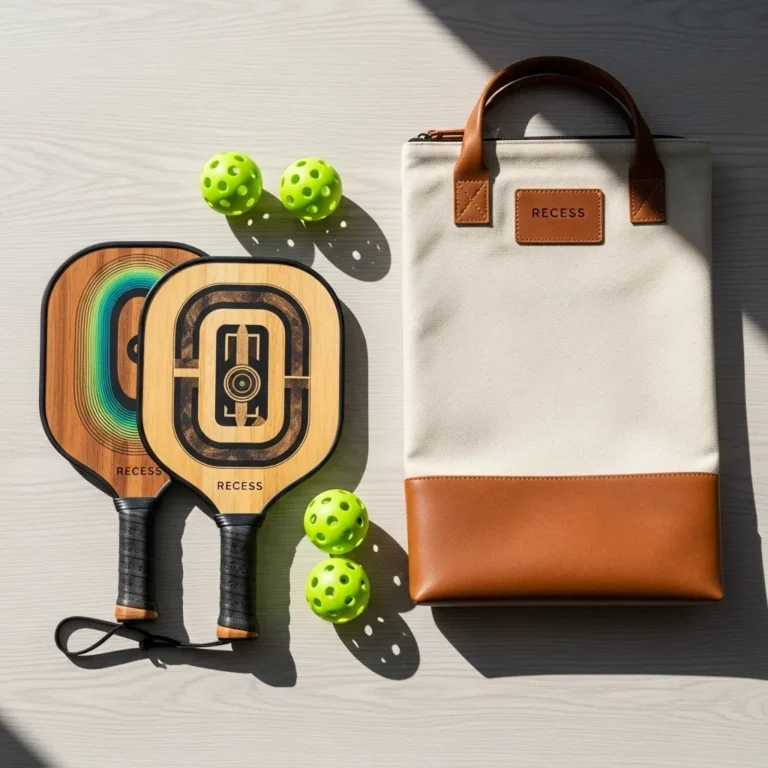
You’ve seen them—the pastel hues, the 1970s retro stripes, and the matte finishes that look more like art pieces than sports equipment. But in a sport where technical precision is becoming everything, the rise of recess pickleball paddles has sparked a heated debate: Are these paddles just “Instagram bait,” or can they actually hold their own during a fast-paced kitchen exchange? As pickleball transitions from a backyard hobby to a competitive global phenomenon, choosing the right gear is no longer just about the look; it’s about the “pop,” the “grit,” and the “reset.”
The Hook: Why Aesthetic Gear is Dominating the Courts
The “lifestyle” side of sports has never been stronger. Just as recess pickleball began to take over social media feeds, players realized that having a paddle that matches their personality makes the game more approachable. However, a recess pickleball paddle isn’t just a pretty face. Underneath those designer patterns lies a construction engineered for consistency. Whether you are buying a single recess pickleball paddle or a full recess pickleball set for a weekend social, you are stepping into a community that values the “joy of play” as much as the “win.”
But before you commit, you need to know if this gear will help you climb the DUPR pickleball rankings or if it will hold you back. Let’s dive into the technical heart of Recess.
Performance & Skill Level: Breaking the “Recreational” Label
One of the most frequent recess pickleball paddle reviews complaints from advanced players is that the paddles are “too soft.” But for 90% of the pickleball population—the social and intermediate players—this “softness” is actually a massive advantage.
1. The Beginner Experience
If you are just starting and taking pickleball lessons, your biggest challenge is “paddle twist.” When you hit the ball off-center, a low-quality paddle will rotate in your hand. Recess paddles are weighted to provide a stable “swing weight,” helping beginners find the center of the face more consistently.
2. The Intermediate Transition (3.0 – 3.5 Level)
Intermediate players at clubs like the The Hub Pickleball Club Silicon Valley need a paddle that can “reset” a hard drive. The composite fiberglass face on the Recess Classic models excels at absorbing energy. This makes it easier to drop the ball into the kitchen, a move essential for mastering 3rd shot pickleball strategy.
Technical Specs: Deep Dive into the “Black Core”
To understand the price point of recess pickleball paddles, we have to look at the materials. While cheap paddles use plastic sheets or heavy wood, Recess utilizes a 14mm Polypropylene Honeycomb Core.
Surface Engineering: Fiberglass vs. Carbon Fiber
Most Recess paddles feature a Composite Fiberglass surface. Unlike a carbon fiber pickleball paddle, which is stiff and provides a “crisp” feel, fiberglass is flexible. This flexibility creates a “trampoline effect,” giving the ball a bit more natural height—perfect for defensive play.
Detailed Comparison: Top 5 Recess Pickleball Paddle Models
While all recess pickleball paddles share a commitment to style, the technical nuances between the Classic and Advanced series can impact your performance at the The Fort Pickleball courts. Here is how the top models stack up:
| Model Name | Series | Surface Material | Weight | Best For |
|---|---|---|---|---|
| The Vista | Classic | Composite Fiberglass | 7.5 – 8.0 oz | Beginners & Social Play |
| The Hyde | Classic | Composite Fiberglass | 7.5 – 8.0 oz | Consistent Dinking |
| Vista 512 | Advanced | T700 Raw Carbon Fiber | 8.0 – 8.2 oz | Intermediate Spin & Power |
| The Thompson | Classic | Composite Fiberglass | 7.7 oz | Lightweight Maneuverability |
| The Picnic | Classic | Composite Fiberglass | 7.5 – 8.0 oz | Gift Sets & Casual Outings |
Choosing between the Classic and the 512 Series often comes down to your pickleball ratings goals. If you are aiming for more aggressive topspin, the Vista 512 with its carbon fiber face is the superior choice.
Comparison: Recess vs. The Performance Giants
- Vs. Six Zero Pickleball: Six Zero is built for high spin and “thermoformed” power. Recess is built for aesthetics and “touch” play.
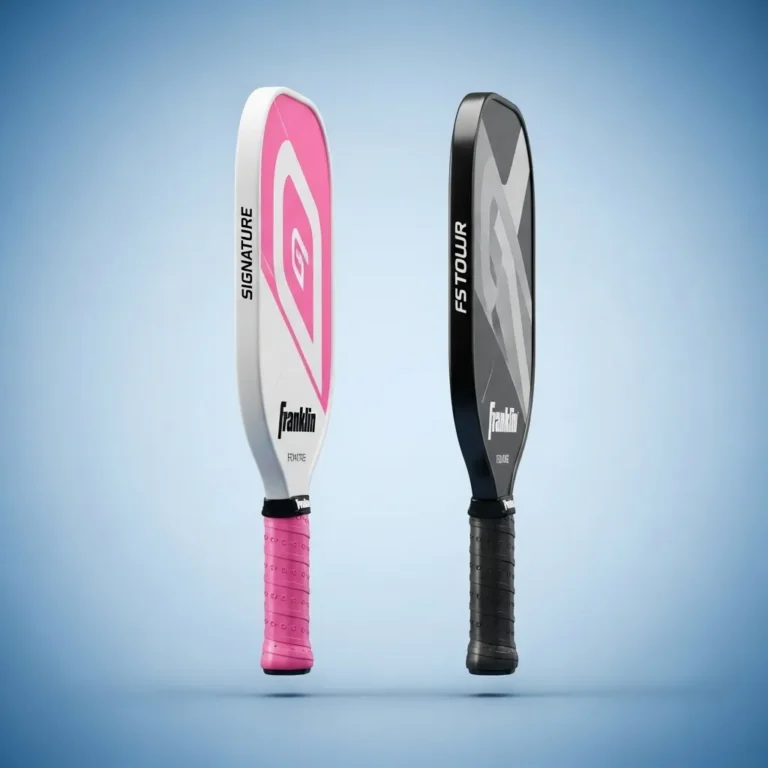
- Vs. Franklin Pickleball: Franklin offers great value, but Recess wins on durability and grip quality.
- Vs. HEAD Pickleball Paddles: HEAD focuses on aerodynamic shapes, whereas Recess sticks to the classic “squared-oval” for a larger sweet spot.
How to Care for Your Recess Paddle to Maintain the Grit
One of the most common recess pickleball paddle reviews mentions is the gradual loss of surface texture. To ensure your recess pickleball paddle stays in top-tier condition, proper maintenance is non-negotiable. Whether you are playing in a dusty indoor facility or a seaside court like Central Winds Pickleball, environmental factors can degrade your gear.
1. Cleaning the Face
The “grit” on a recess pickleball paddle is what allows for spin. Use a damp microfiber cloth to gently wipe the face after every session. Avoid harsh chemicals that could damage the UV-printed designs.
2. Temperature Regulation
Never leave your recess pickleball set in a hot car. Extreme heat can weaken the bond between the honeycomb core and the face. Just like you wouldn’t leave your Nike pickleball shoes in the sun to warp, your paddle deserves a climate-controlled environment.
Advanced FAQ: Answering the Community’s Deepest Questions
Does the grip handle accommodate larger hands?
The standard grip is 4.25 inches. If you have larger hands, we recommend checking out specialized pickleball grips to increase the thickness.
Can I use this for tournament play?
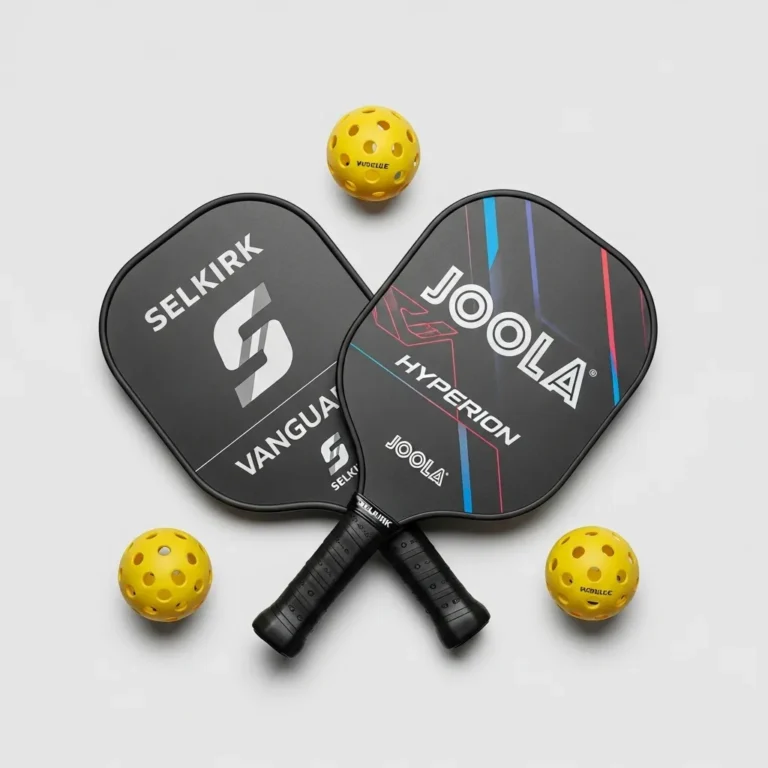
Most Recess paddles are USAPA-approved. For those aiming for high-level tournaments, you might eventually upgrade to a Selkirk Vanguard, but Recess is more than enough for local league play.
Final Verdict: Is it Worth the Investment?
After analyzing the technical specs and market feedback, our conclusion is clear: recess pickleball paddles are the gold standard for lifestyle-performance gear. They are not intended to compete with $250 pro-circuit paddles. Instead, they offer a durable, USAPA-approved, and stunningly designed alternative.
Buy it if: You play 1-3 times a week, value design, and want a “soft” paddle that excels at dinking.
No matter what paddle you choose, the most important thing is to get out there and play. If you’re looking for more gift ideas, don’t miss our guide on pickleball gifts for every budget!
For more information on the history of the sport, visit the USA Pickleball official site.