Walking through the courts at a local Performance Pickleball hub in 2026, you can hear the difference before you see it. The traditional high-pitched “ping” of honeycomb cores is being replaced by a muted, powerful “thud.” This isn’t just a trend; it’s a technological shift. Choosing between the best pickleball paddle brands has evolved from a matter of aesthetics to a deep dive into material science, where terms like twist weight and foam-injected perimeters dictate who wins the kitchen battle. Whether you are looking for the best pickleball paddle brand for raw power or a control-oriented masterpiece, the landscape of 2026 offers more engineering than ever before.
Top Pickleball Paddle Brands Comparison: 2026 Elite Tiers
To understand the current market, we must look at how the giants and the disruptors stack up. Below is a high-level comparison of the leading manufacturers in the United States today.
Engineering the Perfect Entry: Top Pickleball Paddle Brands Analyzed
In the quest for the best pickleball paddle brands, the United States market is currently split between legacy companies that define the pro tour and agile disruptors that dominate the community courts. The decision often comes down to how much you value “dwell time” versus “exit velocity.”
The Selkirk Dominance: Innovation from Idaho
Selkirk remains at the top of the best pickleball paddles brands list primarily because of their relentless R&D in Hayden, Idaho. Their 2026 lineup, specifically the Boomstick Pickleball Paddle, has solved the “core crush” issue that plagued earlier generations. By utilizing a 100% foam core, they have eliminated the structural fragility of honeycomb cells. If you’re an advanced player, the best Selkirk pickleball paddle for your game is likely an elongated model that maximizes reach and leverage for two-handed backhands.
JOOLA and the Ben Johns Effect
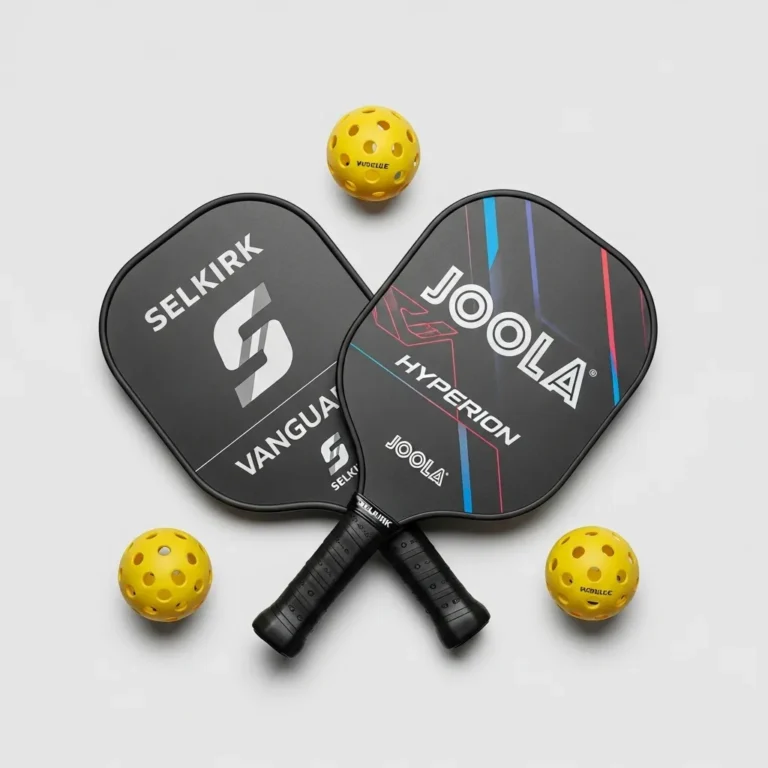
JOOLA has solidified its place among the top pickleball paddle brands by tying its identity to the world’s #1 player. The best JOOLA pickleball paddle in 2026, the Perseus Pro IV, focuses on a balance of pop and control. Unlike earlier models that suffered from delamination, the Gen 4 iterations use reinforced edge walls to stabilize the 16mm core. This is a critical choice for players who want a “do-it-all” feel without the trampoline effect seen in Gen 3 designs.
Disrupting the Market: Vatic Pro and Six Zero
What legacy brands don’t want you to know is that companies like Vatic Pro are delivering identical high-modulus carbon fiber (T700) for half the price. The Vatic Pro V-SOL series has become the best pickleball paddle brand for intermediate players who want a forgiving sweet spot without the $250 price tag. Similarly, the Ruby Pickleball Paddle by Six Zero introduced the industry to Kevlar-Carbon hybrids, offering a “plush” feel that raw carbon fiber simply cannot match.
Material Science: Why Twist Weight is the New Gold Standard
For years, players focused on static weight. In 2026, the best pickleball paddle brand contenders are judged by twist weight—the resistance to rotation on off-center hits. This metric is the true indicator of a paddle’s forgiveness and the actual size of its sweet spot.
- High Twist Weight (6.5+): Brands like Honolulu J2K and the Selkirk Widebody models excel here, ensuring your dinks stay straight even if you miss the center.
- Low Swing Weight (Under 110): Essential for “hand battles” at the kitchen line. Brands such as Bread and Butter Pickleball Paddles prioritize maneuverability, allowing for lightning-fast resets.
The move toward Gen 4 Pickleball Paddles has seen the introduction of multi-density foams around the perimeter. This engineering feat increases the twist weight without making the paddle feel like a “sledgehammer,” a common complaint among tennis converts.
The United States Manufacturing Factor: Made vs. Assembled
One angle many pickleball paddle brands reviews overlook is the legal nuance of manufacturing origins. In the US, the FTC regulates “Made in USA” claims strictly. To carry this label, “all or virtually all” of the product must be domestic. This is a significant differentiator for brands like Engage Pickleball Paddles, which manufactures 95% of its line in Florida. Their factory can prototype a new design on Monday and have it on the court by Friday, a speed-to-market advantage that overseas brands cannot replicate.
In contrast, many top pickleball paddle brands use the “Designed in USA” label, while actual production occurs in specialized factories in China or Taiwan. While these overseas facilities lead the world in thermoforming technology, domestic brands often offer superior warranty support and boutique craftsmanship. You should always verify the latest USA Pickleball Approved Paddle List to ensure your choice meets tournament standards, as seen at the USA Pickleball Equipment Standards portal.
Player Health: Combating “Pickleball Elbow” Through Dampening
As the game becomes faster and pickleball paddle brands push for more “pop,” vibration management has become a health priority. Stiff, hollow paddles are a leading cause of tendonitis. The best pickleball paddle brand for arm health in 2026 is often one that utilizes a 16mm core or specialized dampening films.
- Plush Foam Cores: The Foam Pickleball Paddles from CRBN (TruFoam series) are specifically engineered to absorb shock rather than reflect it into the player’s arm.
- Surface Grit Longevity: Using best pickleball paddle for spin typically requires a raw carbon surface. However, if the grit wears down, players often swing harder to compensate, leading to injury. Consistent texture is key.
If you are transitioning from a wooden pickleball paddle or an entry-level set, moving to a 16mm carbon fiber model will feel like night and day in terms of vibration reduction.
Advanced Choices: The Path to 4.5+ Skill Levels
For competitive players eyeing the PPA Tour or local “Golden Ticket” events, the choice of equipment narrows. At this level, you aren’t just buying a brand; you are buying a specific Paddle Exit Factor. The Selkirk LUXX Control Air Invikta is currently the gold standard for players who win through placement, while the CRBN Pickleball Paddle remains the king of aggressive topspin.
As you improve, consider testing specialized models like the Ronbus Pickleball Paddle or the Shogun Pickleball Paddle, which offer niche weighting profiles that favor specific swing paths. The difference between a 3.5 and a 4.5 player often lies in the ability to reset a hard drive—an act made significantly easier by a paddle with a high twist weight and predictable dwell time.
Frequently Asked Questions (FAQ)
What is the difference between Gen 3 and Gen 4 paddles?
Gen 3 paddles primarily focused on thermoforming for power but faced “core crush” issues. Gen 4 paddles, like those from Friday Pickleball or Selkirk Labs, incorporate advanced foam cores and floating structures to improve durability and expand the sweet spot.
Is carbon fiber better than fiberglass for spin?
Raw carbon fiber (T700) generally provides more consistent, long-term spin because the texture is woven into the material. Fiberglass offers more “pop” but usually relies on spray-on grit which can wear off within months of heavy play.
Why should I care about twist weight?
Twist weight measures how much the paddle resists turning when you hit the ball off-center. A higher twist weight means a more “forgiving” paddle, which is essential for consistent dinking and blocking at the net.
Does a 16mm core always mean more control?
In general, yes. A 16mm core absorbs more energy and provides a softer feel, making it the best pickleball paddle brand choice for control-oriented players. However, new “Power Foam” 16mm builds are challenging this by adding significant exit velocity to the thicker profile.
Final Verdict: Which Brand Should You Choose?
If you are a beginner looking for the best beginner pickleball paddles, stick with reliable value leaders like Niupipo Pickleball Paddles or the Vatic Pro Prism series. They offer tournament-level materials at an entry-level price. For those in the 4.0+ range who demand the absolute peak of performance and are willing to pay for it, the Selkirk Labs and JOOLA Pro series offer engineering that truly changes the geometry of the court. Ultimately, the best pickleball paddle brands are the ones that align with your specific biomechanics—so always “demo before you buy” whenever possible.