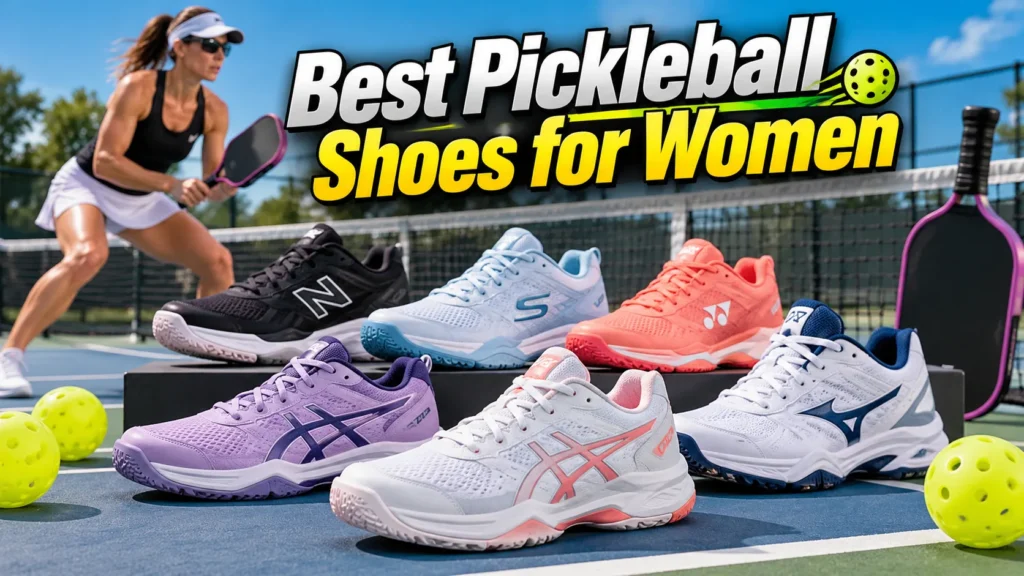
A split-second hesitation at the kitchen line costs points, but the wrong footwear costs you your knees. While casual players settle for repurposed running sneakers, competitive athletes know that lateral stability and hard-court grip dictate the pace of the game. Finding the best pickleball shoes for women transforms erratic footwork into anchored precision, absorbing the relentless shock of quick pivots and baseline sprints. Below is the unvarnished, data-driven breakdown of the elite court footwear engineered specifically for female biomechanics and tournament-level abuse.
Best Pickleball Shoes for Women
Model Comparison · Specs & Official MSRP · Updated 2026
best pickleball shoes for women reviews
To truly evaluate the best shoes for pickleball women, we must look beyond visual aesthetics and dissect the engineering. The modern court demands specialized footwear capable of withstanding severe lateral friction, managing extreme torque, and preventing premature upper destruction. Here is the anatomical breakdown and core performance analysis of the market’s premier silhouettes.
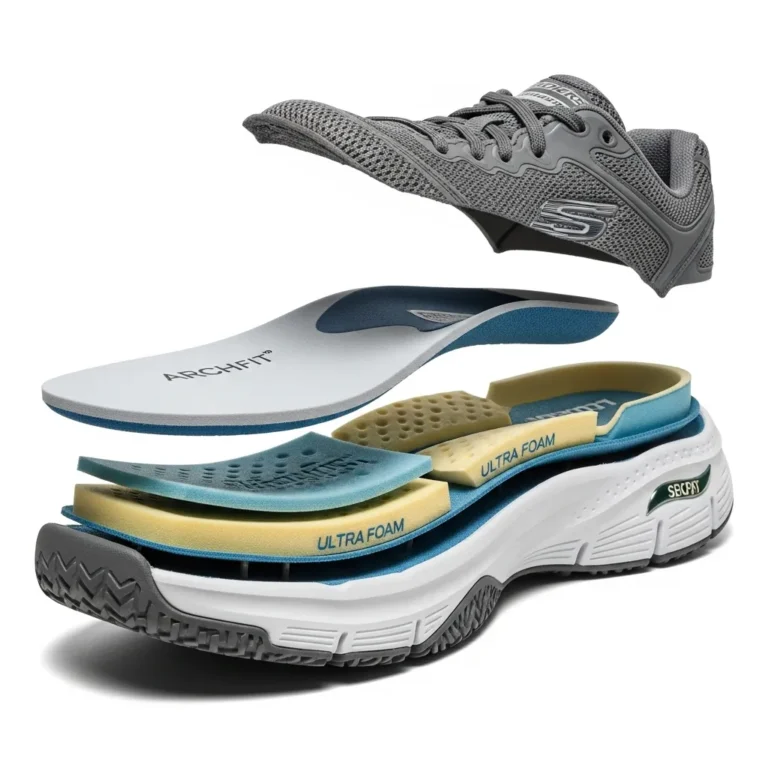
- Skechers Viper Court Pro: Engineered for aggressive attackers, this model leverages a highly specialized Goodyear Gold rubber compound on the outsole, providing controlled sliding and explosive multi-directional traction. The ULTRA GO midsole foam prioritizes lightweight responsiveness, ensuring players retain immediate tactile feedback from the court surface. If you are exploring the Skechers pickleball shoes lineup, this is the paramount choice for elite maneuverability.
- K-Swiss Express Light: Hitting the scales at comfortably under 10 ounces for a standard women’s size, this shoe eliminates the heavy, bulky sensation typically associated with durable hard-court models. It combats hidden wear patterns by integrating Aösta 7.0 high-density rubber from heel to toe. For players seeking the finest K-Swiss pickleball shoes, the inclusion of 7.0 DragGuard technology provides essential defense against rigorous toe dragging.
- ASICS Series: Serving as the industry standard for baseline stability, ASICS utilizes DYNAWALL technology—an extended lateral resin wall that braces the foot against severe braking forces. When evaluating the Asics Gel-Resolution 9 pickleball shoes, the formidable PGuard toe protector creates an almost indestructible polyurethane shield over the medial toe, rendering it highly resilient to abrasive friction.
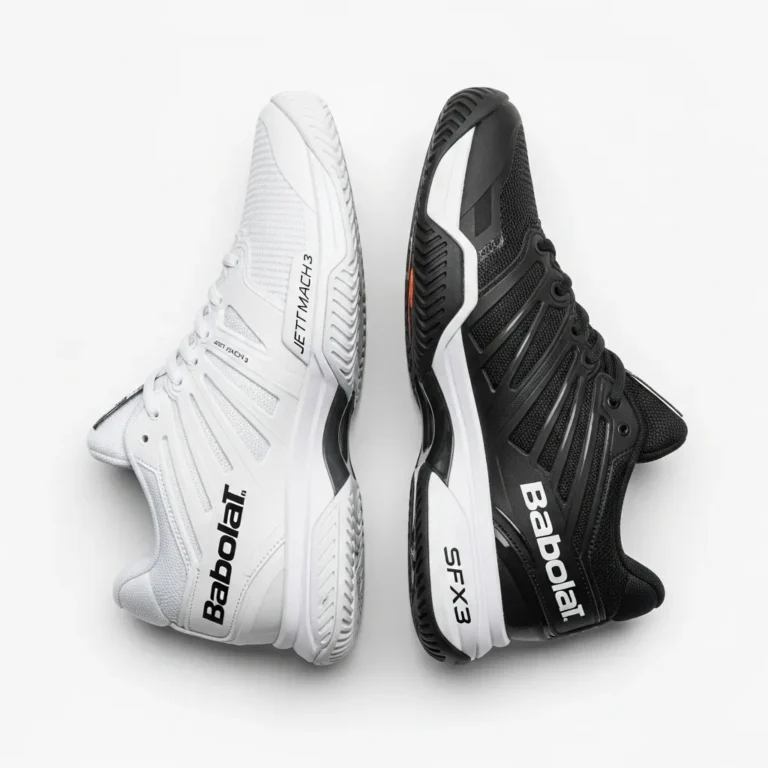
- Babolat Jet Mach 3: A marvel in material science, the upper is constructed from Matryx EVO—a patented fabric woven with high-strength Kevlar and Polyamide threads. This creates an incredibly thin, breathable, and tear-resistant barrier. The Michelin Premium DIN20 outsole is sculpted to maximize surface contact at critical pressure points while shedding unnecessary weight.
Head-to-Head: ASICS Gel-Resolution 9 vs. Skechers Viper Court Pro
When searching for the best pickleball shoes for woman athletes, the decision frequently narrows down to these two titans, each approaching court stability from entirely opposing engineering philosophies.
- Comfort and Break-In Period: The Skechers model wins decisively on instant comfort, delivering a plush, energetic feel right out of the box via its ULTRA GO foam. Conversely, the ASICS model features a remarkably stiff, heavy-duty structural layout that requires consistent match play to break in and flex naturally.
- Ankle Lock-down and Support: ASICS dominates the stability category through its rigid, external DYNAWALL resin sidewall, which locks the midfoot down completely and eliminates lateral rolling. The Skechers system yields slightly more under extreme, high-velocity extensions, prioritizing fluid speed over rigid containment.
- Outsole Lifespan: The heavy AHARPLUS reinforcements on the ASICS model easily outlast standard rubber, offering up to three times the abrasion resistance. While the Goodyear rubber on the Skechers provides phenomenal grip, it may show structural smoothing slightly faster under harsh daily tournament play.
Verify Official ASICS Specifications
Why Specialized Court Footwear is Essential for Women’s Pickleball
The most critical equipment error made by amateur players is wearing generic running footwear onto the court. To understand the engineering of the best pickleball shoe for women, we must analyze the directional forces exerted on the lower extremities during high-speed play.
Linear Running vs. Lateral Court Movements
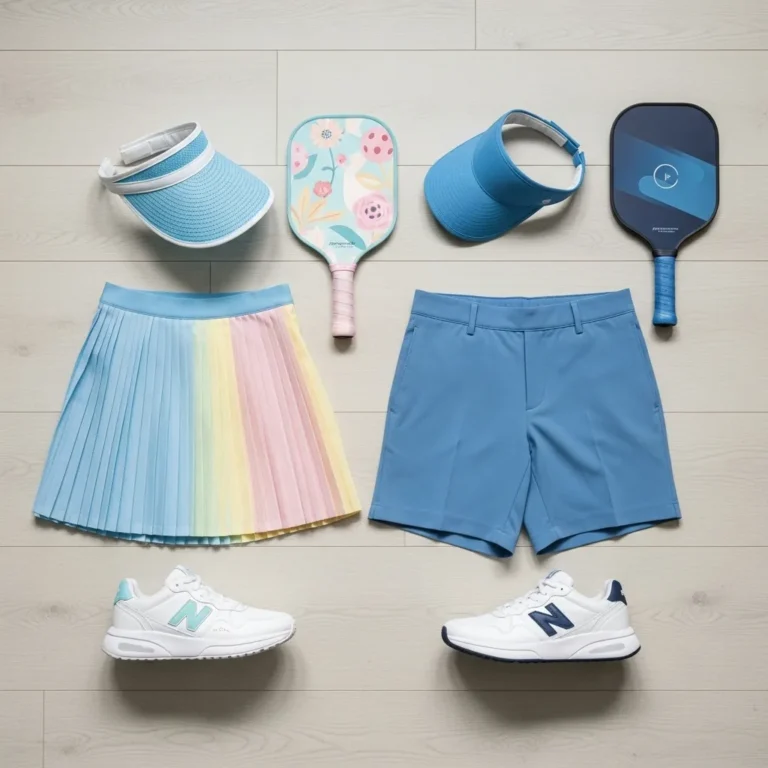
Running is a sagittal-plane activity, meaning force generation occurs in a forward and backward direction. Running shoes are explicitly designed to facilitate this linear motion through a high heel-to-toe drop and curved rocker sole geometry that encourages forward rolling. Conversely, court sports are dominated by frontal-plane movements requiring explosive lateral strides, multi-directional stops, and violent pivoting. Using running footwear for sharp lateral cuts creates mechanical leverage against the foot, destabilizing the player. Ensure your gear matches the biomechanical demands by reviewing what to wear to play pickleball.
The Role of Lateral Stack Height in Court Stability
During a rapid change of direction, an elevated lateral stack height—which frequently exceeds 30 millimeters in modern running shoes—magnifies the torque exerted upon the base of the foot. Dedicated court shoes mitigate this mechanical risk by maintaining a low lateral stack height, typically ranging between 18 and 24 millimeters. This keeps the foot firmly planted close to the ground, reducing the leverage the court surface has during extreme cutting maneuvers.
Pickleball Shoes vs. Tennis Shoes: Understanding the Nuances
While tennis shoes are widely recommended as the best starting point, the specific kinesthetic movements of pickleball present distinct wear patterns and structural requirements that dictate the true best shoes for pickleball women’s performance.
The Kitchen Line Dynamics and Split-Step Frequency
A standard tennis court stretches 78 feet, necessitating long baseline runs that heavily engage the heel. Pickleball is played on a 44-foot court, yet the vast majority of competitive doubles rallies occur at the non-volley zone (the kitchen), which sits just seven feet from the net. At this proximity, players execute continuous, rapid split-steps—often ten to fifteen steps within a thirty-second rally—keeping their weight almost exclusively on the balls of their feet and medial arches.
Targeted Wear Patterns
Due to this forward-leaning stance, court footwear experiences accelerated wear at the lateral forefoot and medial toe box, while the heel often remains structurally pristine. Heavy tennis shoes overbuilt in the heel add unnecessary mass that hastens leg fatigue during quick resets. Modern engineering focuses on shifting structural reinforcements to the midfoot and forefoot arches to address these precise load distribution demands.
Crucial Features to Look for in the Best Pickleball Shoes for Women
Not all court silhouettes are created equal. When evaluating equipment, specific material sciences separate casual athletic wear from elite performance gear.
Combatting Toe Drag with Reinforced Uppers
The phenomenon of burning a hole through the upper mesh above the toe box is one of the most prevalent consumer complaints. This wear pattern is a direct consequence of “toe dragging” during serving motions or wide dinking lunges. The most advanced silhouettes counter this via integrated toe guards like ASICS PGuard or K-Swiss DragGuard, which wrap dense, abrasion-resistant layers of polyurethane completely over the vulnerable mesh.
Torsional Rigidity for Quick Pivots
During abrupt lateral deceleration, the lack of torsional rigidity allows the foot to slide over the edge of the footbed. Elite footwear utilizes rigid heel counters and dense TPU shanks located in the midfoot. This engineering provides the essential structural stiffness necessary to resist twisting forces, locking the midfoot into a secure, static alignment during chaotic kitchen scrambles.
Outsole Traction: Indoor Wood vs. Outdoor Hard Courts
Traction requirements shift drastically depending on the playing environment. Outdoor abrasive asphalt demands high-density rubber to survive friction, whereas indoor gymnasiums utilize soft gum rubber that literally melts away if taken onto outdoor concrete. Players must select their outsole compounds accordingly. For an in-depth breakdown of surface variations, consult our analysis on indoor vs outdoor pickleballs.
Decoding Shoe Fit: Wide Toe Box vs. Wide Width (D/2E)
A frequent point of friction in the retail market is the anatomical distinction between a shoe featuring a wide toe box and a shoe manufactured in a true wide width, such as a D or 2E.
Maximizing Comfort for Different Foot Shapes
Many female athletes possess foot anatomy characterized by a narrow heel and a wide forefoot. Purchasing a standard wide-width shoe just to accommodate the toes results in catastrophic heel slippage, destroying lateral stability. The optimal solution involves models built on a “Relaxed Fit” last, which provides generous forefoot volume for toe splay while retaining a standard heel cup. Conversely, players requiring substantial volume from heel to toe must seek out dedicated wide width pickleball shoes. Brands deeply invested in orthopedic accuracy, offering true comprehensive widths, are detailed in our New Balance pickleball shoes review.
Navigating the 6-Month Outsole Warranty
Because the sport is frequently played on highly abrasive acrylic-painted concrete, rapid outsole degradation is inevitable. High-frequency athletes can consume standard rubber soles in under three months. To mitigate this, premium brands offer a 6-month outsole durability warranty, which has become a primary purchasing driver.
What is Actually Covered?
It is vital to understand the rigid terms of these policies. A standard warranty strictly covers the bottom rubber outsole. To qualify for a free replacement, the player must wear completely through the rubber compound, exposing the softer EVA or polyurethane midsole underneath, within 180 days of the original purchase.
How to Maximize Your Shoe Investment
Crucially, these warranties explicitly exclude damage to the upper materials or toe bumpers. If a player drags their toe and burns a hole through the top mesh within four weeks, the claim will be denied. To maximize ROI, target brands offering seamless digital claims processes and pair the warranty with a shoe that already boasts extensive structural toe guards.
Conclusion & Final Buying Advice
Transitioning from generic athletic sneakers to specialized court footwear is the single most impactful biomechanical adjustment a player can make to elevate their baseline consistency and ensure structural longevity. The optimal choice demands aligning a shoe’s engineering specifications with the athlete’s specific physical mechanics and play style. Whether you require the lightweight explosive speed of the Babolat Jet Mach 3, or the impenetrable stability of the ASICS Gel-Resolution 9, investing in properly engineered footwear guarantees that your movement is never the limiting factor on the court. To stay ahead of the evolving market, bookmark our continuously updated breakdown of the best pickleball shoes 2026.
Frequently Asked Questions (FAQ)
Are these court shoes constructed entirely within the US?
No. While conceptual design work, biomechanical research, and player prototyping are managed at corporate hubs across the United States, production components and specialized synthetic assemblies are handled by primary manufacturing partners in Asia, matching standard practices across the athletic footwear industry.
Can I safely utilize a standard washing machine cycle to clean the upper mesh?
It is highly discouraged. The intense heat and mechanical agitation of a domestic washing machine will compromise the delicate heat-bonded adhesives holding the lateral polyurethane overlays, accelerating structural breakdown. Hand cleaning with cold water and a soft bristle brush is recommended to maintain material integrity.
How does the overall stack height impact response speed compared to generic running variants?
By lowering your center of gravity and significantly reducing the midsole thickness compared to standard running shoes, specialized court models ensure you remain planted close to the ground. This minimizes leverage forces during sideways movements and provides immediate, unfiltered tactile response during hyper-fast net volleys.