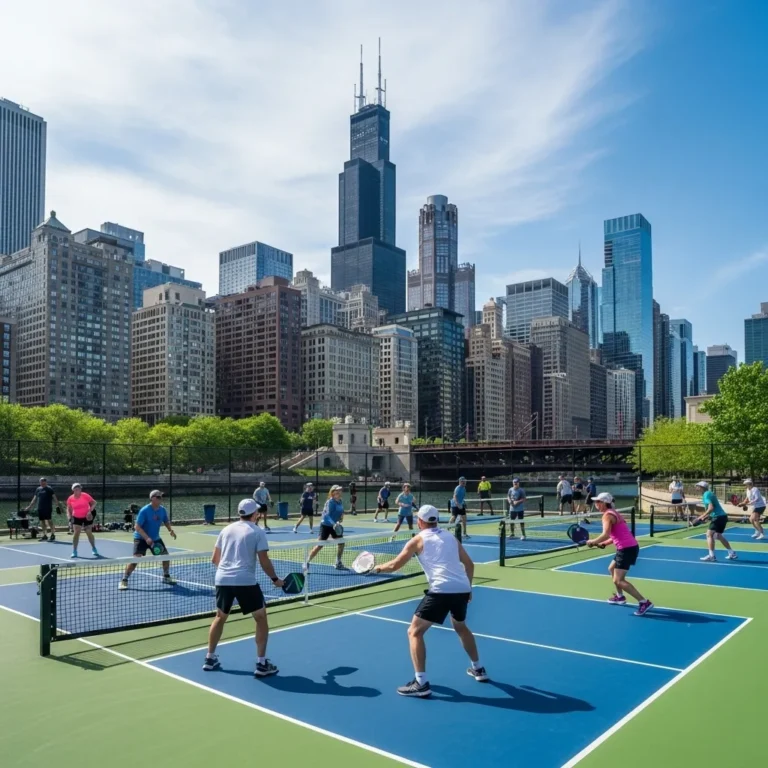
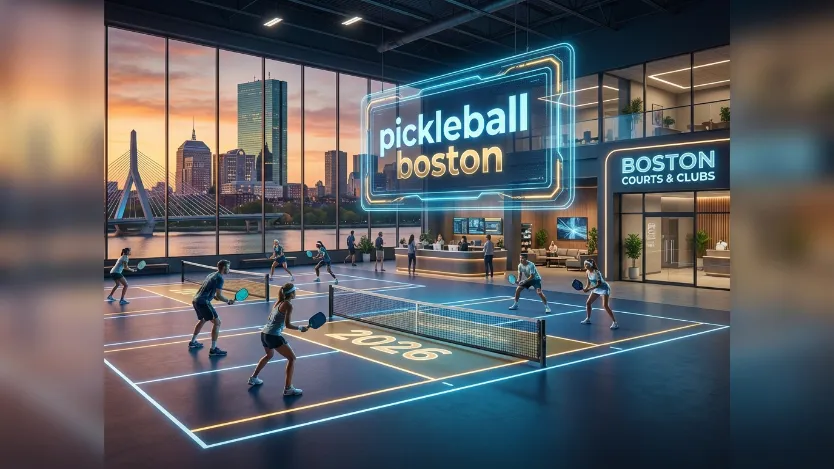
Step onto the historic streets of the Hub, and you will notice a shift in the local sports hierarchy. While Fenway Park and the TD Garden remain sacred, a new obsession is claiming every square inch of asphalt from Southie to Jamaica Plain. Pickleball Boston has transitioned from a niche hobby to a full-blown cultural phenomenon, but for the uninitiated, navigating the city’s complex landscape of public restrictions and elite private clubs can be as challenging as a perfectly placed dink shot.
The sport has grown so rapidly that the traditional guidebooks cannot keep up. To truly master the scene, you need to understand the hidden residency hurdles, the precise mechanics of local “paddle rack” etiquette, and the real cost of “overstay fees” at the city’s premier facilities. This is more than just a list of locations; it is a strategic breakdown of the boston pickleball ecosystem designed for the serious player who wants to avoid being “iced out” of the city’s most competitive games.
The Residency Hurdle: Navigating BCYF and Public Spaces
The dominance of public play through Boston Centers for Youth and Families (BCYF) is a double-edged sword. While facilities like Curtis Hall in Jamaica Plain or Shelburne in Roxbury offer some of the most consistent indoor action, there is a “missing angle” most national sites overlook: the strict residency verification. In 2026, due to overwhelming demand, these centers have implemented a hard-line “Boston Residents Only” policy. Showing up without a valid local ID or proof of residency will result in immediate denial of entry.
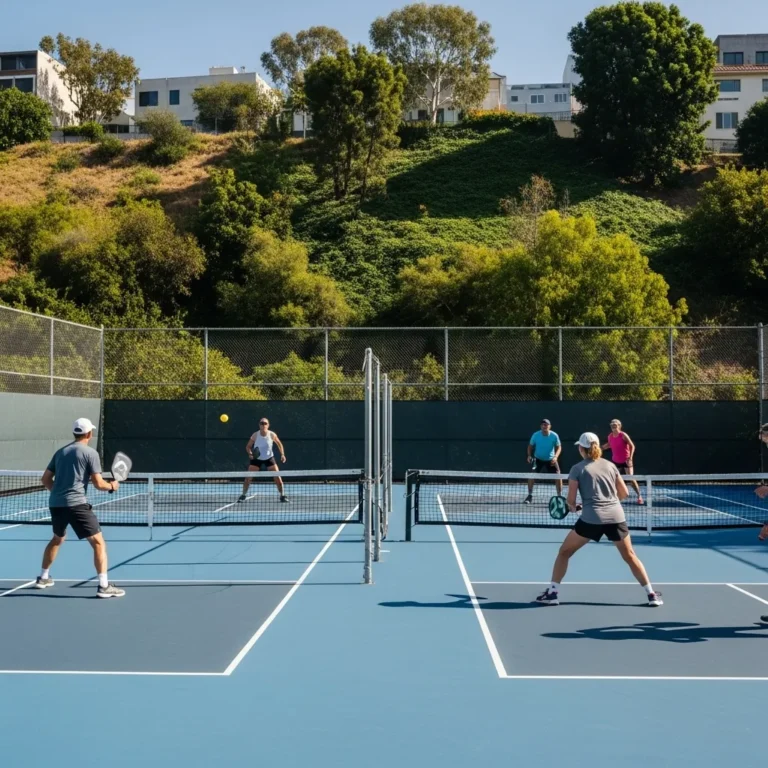
For those who do qualify, the logistics remain rugged. At centers like Shelburne, players must often bring their own portable nets for outdoor sessions, even if the lines are permanently painted. This is a vital detail for anyone searching for pickleball courts boston—not every “court” is ready for play upon arrival. To prepare your game for these environments, it’s essential to know how to play pickleball under varied conditions, especially when dealing with the city’s unpredictable wind patterns.
The “Luxury” Era: Inside the Boston Pickleball Club Scene
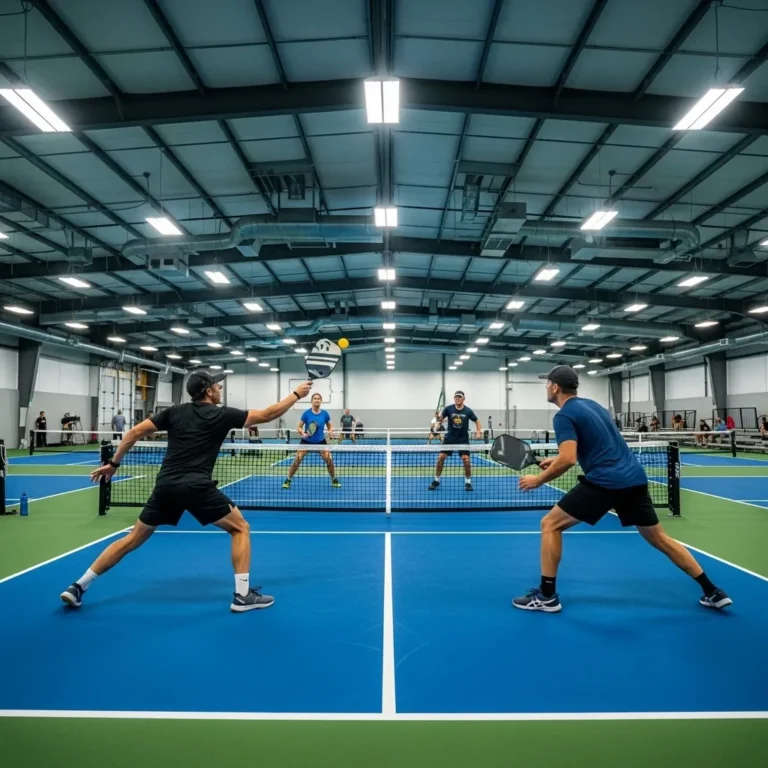
As the public courts reached a breaking point, the private sector responded with high-end social hubs. The boston pickleball club model has shifted toward a “Country Club 2.0” experience. Facilities like PickleBOS in South Boston have set the standard by installing Acrytech Cushion-X surfaces—a far cry from the unforgiving concrete of public parks. These courts are engineered to reduce joint impact, but they also change the ball’s physics, offering a more consistent bounce that rewards technical accuracy over raw power.
The “Overstay Fee” Protocol and Bill Splitting Tech
One detail that catches newcomers off guard is the automated management of court time. At the Boston Pickle Club (Hyde Park), the “overstay fee” is a strict reality. If your session ends at 10:00 PM and you are still hitting at 10:05 PM, the CourtReserve software automatically triggers a charge—often up to $15 per 15-minute increment—directly to the credit card on file. This level of automation is unique to the high-demand pickleball boston market.
Furthermore, these clubs have integrated “bill splitting” technology. Instead of one player fronting the $40/hr peak fee, the app allows the host to send “invites.” Once accepted, the system automatically divides the cost among all participants. If you are just starting your journey and looking for gear that fits this upscale environment, checking out the best beginner pickleball paddles is a great first step before committing to a full membership.
Head-to-Head: Pickleball Boston vs. The Challengers
When deciding where to invest your time and membership dues, it is helpful to see how the top venues compare. The competition for the title of the best pickleball social club boston is fierce, with each facility targeting a specific player demographic.
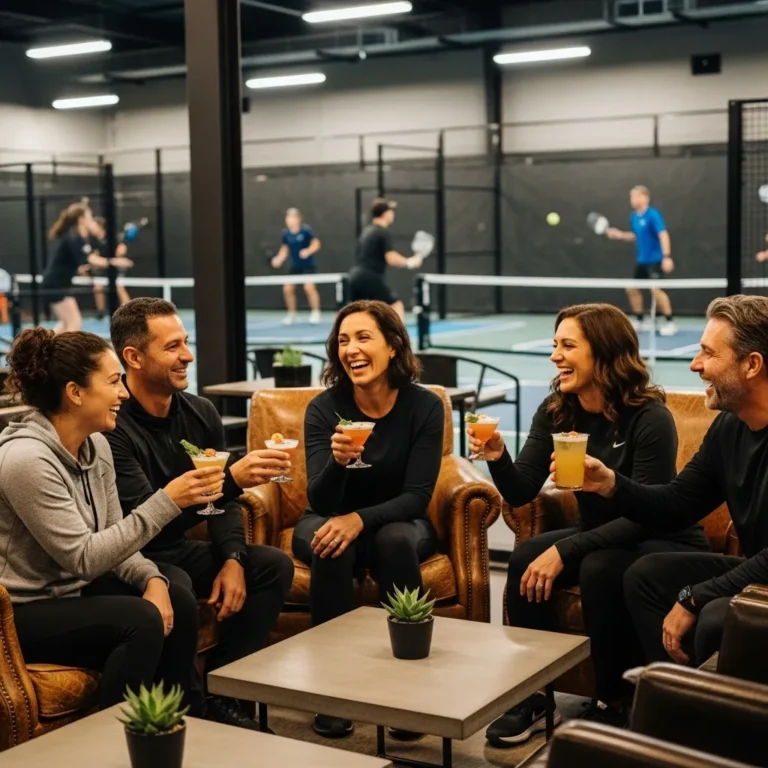
- PKL Boston (Southie): The “Party” Challenger. Featuring courtside cabanas and a heavy focus on cocktails and social mixers. Ideal for those who view the sport as an “apres-pickle” social event.
- PickleBOS (South Boston & Charlestown): The “Tech” Challenger. With digital scoreboards that auto-upload results to your DUPR profile and professional LSI uplighting that eliminates shadows during night play.
- Bosse (Natick): The “Suburban” Challenger. A massive 21-court facility that offers luxury amenities like a hammam and Italian dining (Bosse Enoteca), attracting players who are willing to drive 20 minutes for a “resort” feel.
- YMCA / JCC: The “Value” Challengers. Offering the most affordable access for seniors and students, though court surfaces are often wood gym floors which cause the ball to skid.
Choosing between these depends on whether you value the social atmosphere of a pickleball social club boston or the professional-grade infrastructure of a dedicated training center. For more on how to navigate the technicalities of the game, read our guide on pickleball kitchen rules to avoid costly faults during your first match at PKL.
The Physics of the Floor: Wood vs. Acrytech
A critical gap in player knowledge is the impact of court surface on strategy. In Boston, many winter games are played on wood gymnasium floors (YMCAs and BCYF centers). Wood is significantly “slicker” than outdoor asphalt or indoor Acrytech. The ball tends to skid rather than grip, making the pickleball drop shot much harder to execute effectively. Professional players in the boston pickleball scene often switch to specific indoor balls, like the Onix Fuse, to compensate for this lack of friction. If you’re wondering which gear to bring, our analysis of the best indoor pickleball balls covers exactly how to handle these smooth surfaces.
The Noise Crisis: Lawsuits in Wellesley and Braintree
The “thwack” of the ball is the sound of progress for some, but for neighbors in affluent suburbs like Wellesley and Falmouth, it has become a legal battleground. Lawsuits regarding “injurious and obnoxious noise levels” have led to the temporary closure of several public courts. In Braintree, the town council was forced to spend $22,000 on acoustic panels just to keep the courts open. This “noise friction” is why we are seeing a massive shift toward indoor facilities. When playing outdoors in these sensitive areas, it is vital to follow the USA Pickleball Official Rules and respect local “quiet hours” to prevent further court shutdowns.
Mastering Etiquette: The Paddle Rack and “Social Icing”
One of the most frustrating experiences for a solo player in the pickleball boston scene is “Social Icing.” At popular spots like South Street Courts in JP, the “Paddle Rack” system is the law of the land. However, groups of four friends will often “stack” their paddles together to ensure they never play with a stranger. To combat this, the local community has adopted a “2-on, 2-off” rule during peak hours, forcing winners to split up and integrate waiting players.
To avoid being the person who breaks the unwritten rules, always ask, “Is this an open-play rack or a reserved court?” and ensure you are wearing appropriate what to wear to play pickleball—specifically non-marking court shoes—to protect the surfaces of the city’s newer clubs. High-rated players (4.5+) typically congregate at PickleBOS or private morning sessions organized via PlayTime Scheduler, so knowing your dupr pickleball rating is essential before jumping into an advanced game.
The Southie Parking Hack: SpotHero and Dorchester Ave
If you are heading to PKL or PickleBOS South Boston, the biggest threat to your session isn’t your opponent’s overhead smash—it’s the parking enforcement. Southie is notorious for its lack of dedicated spots. The “pro tip” for boston pickleball players is to use the SpotHero app to book a space near Andrew Station or along Dorchester Ave. Paying $5 for a reserved spot is significantly cheaper than a $60 “Resident Parking Only” ticket or a tow from a private lot. Some facilities, like Bosse in Natick, offer 400+ free spaces, which is a major reason for its growing popularity among city dwellers who are tired of the parking struggle.
pickleball boston-Frequently Asked Questions (FAQ)
Can non-residents play at BCYF centers in Boston?
Currently, most BCYF centers like Curtis Hall and Shelburne strictly limit membership and court access to Boston residents. You must provide a valid ID and proof of residency (like a utility bill) to create a membership account before you can register for sessions.
Do I need to bring my own net to public courts?
It depends on the location. At South Street Courts in Jamaica Plain, the lines are permanent, but you must bring your own portable net. Other locations like Marine Park in Southie often have nets provided, but they are frequently in high demand.
How much does a private club membership cost in Boston?
Standard memberships at clubs like PickleBOS or Boston Pickle Club range from $50 to $75 per month, plus court fees ($10–$15 per person/hour). “Gold” tier memberships can cost up to $170/month but include unlimited open play and advanced booking windows.
What is the “Paddle Rack” system?
It is the physical queue for open play. Players place their paddles in a rack (usually in groups of four). When a game on a court finishes, the next four paddles in the rack take that court. In Boston, it is considered poor etiquette to “hop” over single paddles to stay with your own group.
Is there a competitive league for advanced players?
Yes, Hub Sports Boston and clubs like PKL run leagues ranging from “Novice” to “Advanced (4.0+).” Many of these leagues are sanctioned and will impact your DUPR rating, which is the gold standard for skill measurement in the city.
Conclusion: The Future of the Hub’s Hottest Sport
The pickleball boston scene is no longer a temporary trend; it is a permanent fixture of the city’s athletic identity. As we look toward the Spring 2026 opening of PickleBOS Charlestown and the continued expansion of suburban “super-hubs” like Bosse, the barriers to entry are slowly lowering. However, the premium on court time remains high. Success in the Boston market requires more than just a good serve; it requires digital savvy to navigate booking apps, a respectful understanding of neighborhood noise concerns, and the social grace to navigate the “paddle rack” with ease.
Whether you are seeking the high-energy atmosphere of a pickleball social club boston or the disciplined environment of a DUPR-rated tournament, the city has a place for you—provided you have your ID ready and your parking app open. Treat the local community with respect, keep your dinks low, and you will find that the “Hub of the Universe” is also the hub of the best pickleball in New England.