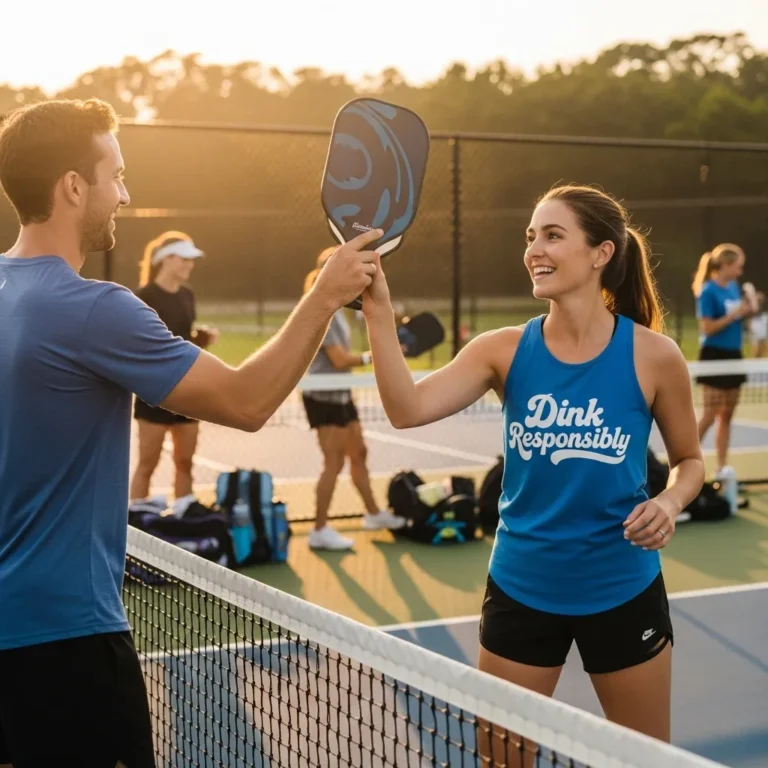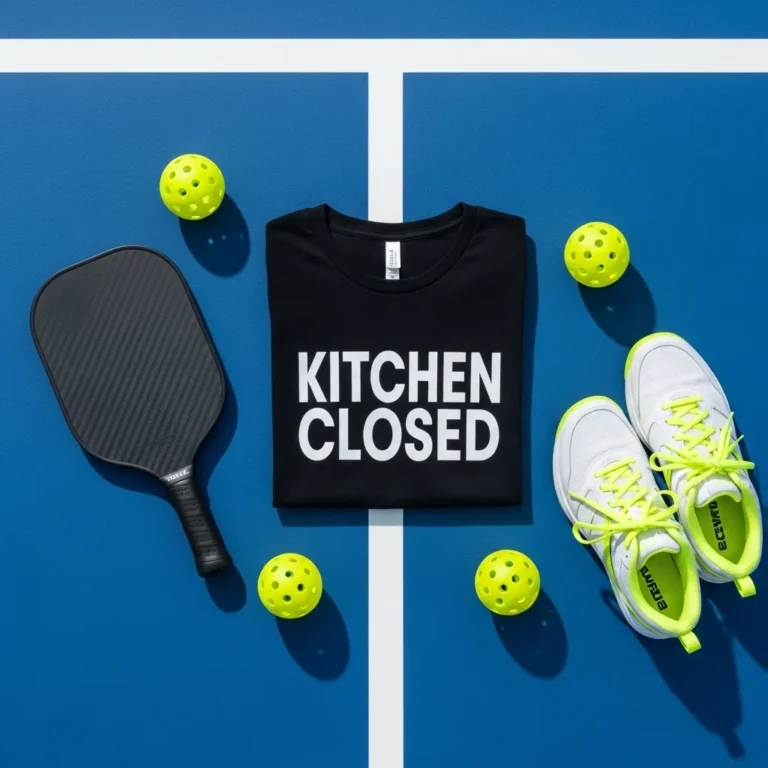
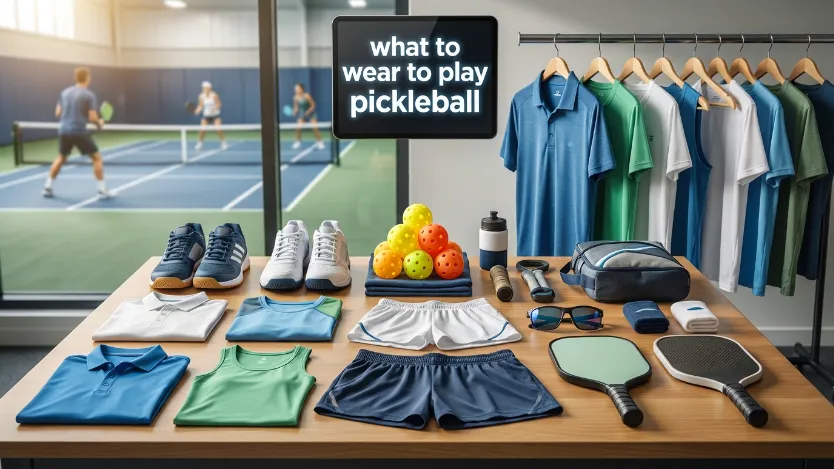
Step onto any court in the United States, from the humid parks of Florida to the dry, sun-baked courts of Arizona, and you will notice a distinct evolution in the sport. What was once a casual hobby played in backyard sneakers has transformed into a high-intensity athletic discipline. To keep up with the demands of the “Kitchen” and the speed of modern play, knowing what to wear to play pickleball is no longer just about fashion—it is about biomechanical efficiency, injury prevention, and thermodynamic management.
While the casual observer might think standard gym wear suffices, the dedicated player understands that this sport places unique stresses on the body. From the constant lateral lunging to the risk of “optic yellow” ball camouflage, every garment choice impacts your performance. This guide dives deep into the technical specifications of court gear, addressing the “missing angles” that major brands often overlook—including shoe longevity in hours, medical-grade solutions for women, and the surprising science of wearing long sleeves in $115^{\circ}F$ heat.
The Biomechanics of Movement: Why Running Shoes are a Hazard
The most critical decision you will make regarding your gear is your footwear. A common mistake among beginners is wearing running shoes to the court. Running shoes are engineered for linear, forward-motion impact. They feature high heels and soft, compressible foam designed to absorb repetitive forward strides. In pickleball, however, movement is predominantly lateral (side-to-side).
When you attempt a hard lateral stop at the kitchen line in a running shoe, the high center of gravity and lack of side-wall support create a “rollover” effect, significantly increasing the risk of ankle sprains. To stay safe, you must invest in best shoes for pickleball. These court-specific shoes feature a low profile, reinforced lateral outriggers, and high-density rubber that wraps up the side of the foot to handle the “toe-drag” common during deep volleys.
The “Consumable” Metric: Shoe Life in Hours of Play
In the United States, most pickleball is played on outdoor asphalt or concrete surfaces. These surfaces act like sandpaper, shredding soles at an alarming rate. One of the biggest frustrations for players is the lack of transparency regarding how long shoes actually last. Based on community data from high-intensity 4.0+ players, shoe life should be measured in hours of play rather than months. If you are asking what are the best shoes to wear to play pickleball, you must consider the durability of the outsole compound.
| Shoe Model | Average Service Life (Hours) | Best Use Case |
|---|---|---|
| ASICS Gel-Resolution | 200 – 220 Hours | Maximum stability for heavy lateral movers. |
| Babolat Jet Mach 3 | 110 – 130 Hours | Lightweight speed; popular with pros like Ben Johns. |
| Skechers Viper Court Pro | 150 – 180 Hours | Goodyear rubber outsole for aggressive outdoor grip. |
| K-Swiss Express Light | 120 – 140 Hours | Exceptional for players with wider feet needing comfort. |
A “dead” shoe isn’t always one with a hole in it. Once the midsole foam (the cushioning layer) compresses—often around the 100-hour mark—the shoe loses its ability to absorb shock. If you feel like you are “playing barefoot” or notice new knee pain, it is time to replace your gear, even if the tread looks intact.
Fabric Science: The “No Cotton” Rule and Moisture Management
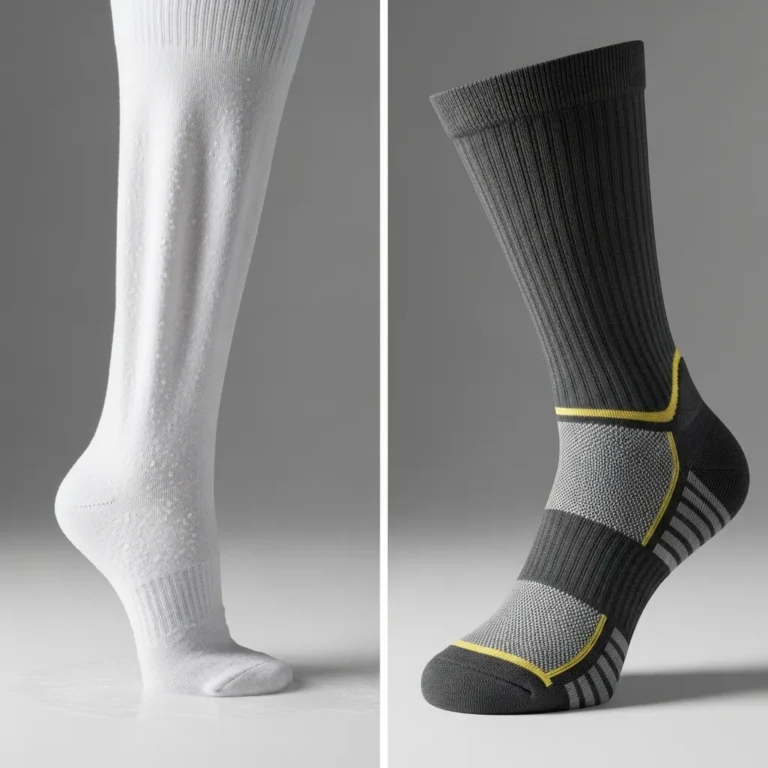
If you are wondering what do you wear to pickleball, the first rule is to banish cotton from your court wardrobe. Cotton is hydrophilic; it absorbs sweat and holds onto it, becoming heavy, clingy, and abrasive. This leads to “nipple chafe” for men and general discomfort that hinders agility.
The gold standard for the American court is moisture-wicking synthetics. These fabrics, often blends of polyester, nylon, and spandex, utilize capillary action to pull sweat away from the skin to the surface of the fabric where it can evaporate. Advanced technologies like TurboDry and Nike’s Dri-Fit create a cooling micro-climate around the body. When selecting pickleball outfits, prioritize “four-way stretch” fabrics to ensure that deep lunges at the pickleball kitchen rules line don’t result in torn seams or restricted range of motion.
1. Odor Management and the “Court Funk”
Synthetic fabrics are notorious for trapping bacteria, leading to a persistent smell known as “court funk.” To extend the life of your gear, never use fabric softeners. Softeners coat the fibers with a waxy layer that clogs the moisture-wicking pores. Instead, wash in cold water and use an enzyme-based booster like FunkAway or Hex Performance to break down the oils that cause odor.
2. The “Long-Sleeve Paradox” in Hot Climates
In states like Arizona and South California, you will see elite players wearing long sleeves in $115^{\circ}F$ heat. This isn’t just for sun protection; it is a thermodynamic strategy known as the “Swamp Cooler” effect. By keeping a thin layer of moisture trapped against the skin and protected from direct solar radiation, the body can actually feel 10 degrees cooler than if the skin were exposed. Brands like Storyi and SParms offer sun sleeves that provide UPF 50+ protection and active cooling when damp with sweat.
What Do Women Wear to Play Pickleball? Addressing Hidden Concerns
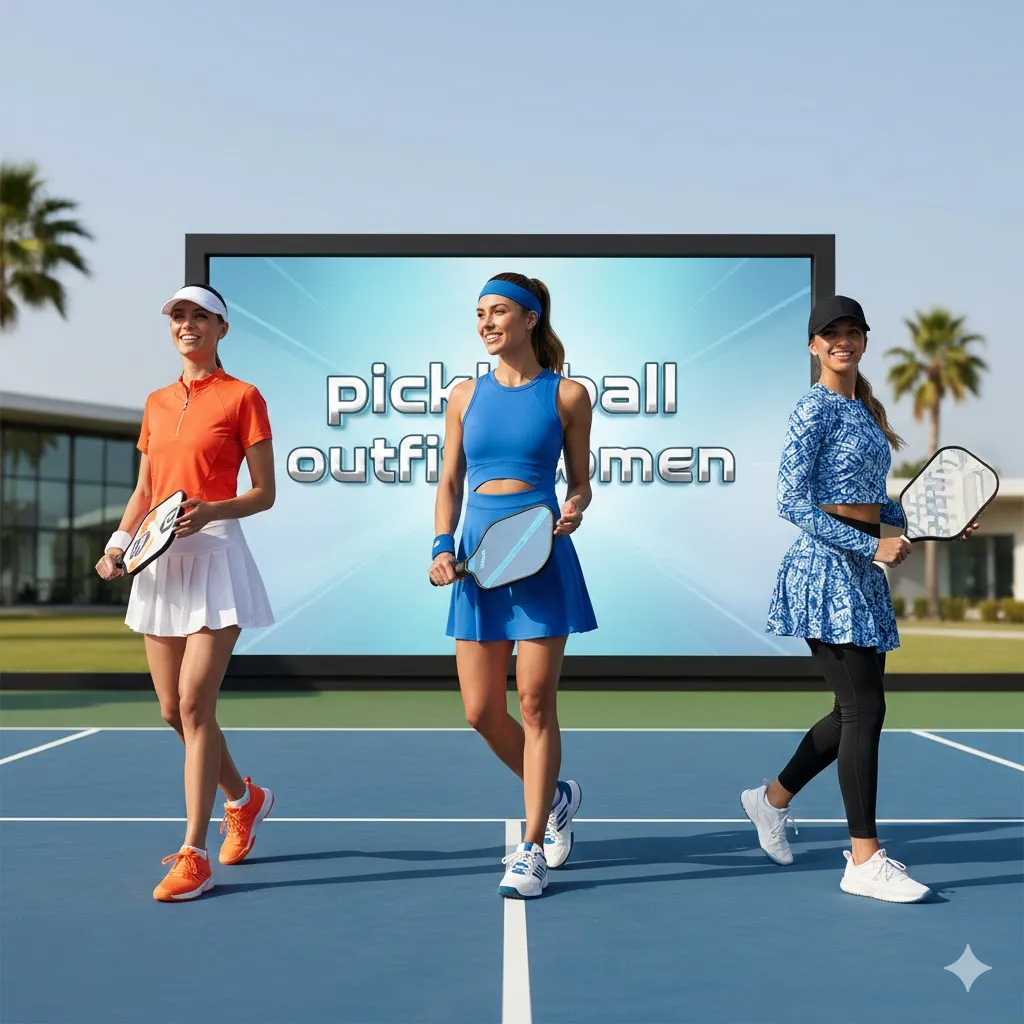
When discussing what do women wear to play pickleball, the conversation often stays on the surface of “cute skorts.” However, serious female players have functional and medical concerns that standard guides ignore. For women over 40, light bladder leakage during high-impact jumps or sprints is a common but rarely discussed issue.
The solution found in the U.S. pickleball community is leak-proof athletic wear. Brands like Hanes and Knix have introduced leggings and bike shorts with integrated, ultra-thin liners that provide discreet protection without the bulk of a pad. Additionally, the search for the perfect underwear to prevent Visible Panty Lines (VPL) under tight leggings has led many to the Soma Vanishing Edge series or Jiv Athletics, which offer stay-put silicone grips and seamless construction.
- Pickleball Dresses: Look for models with detachable inner shorts (like those from Halara or Saltie Rose). This allows for easier bathroom breaks without having to undress completely mid-match.
- High-Support Bras: Because of the sudden pivots, a high-impact bra like the SheFit Ultimate is necessary to prevent back pain and provide maximum stability.
- The Length Factor: Many women prefer tops that end below the hip. This ensures the torso remains covered during high overhead smashes, a frequent movement in competitive play.
The Senior and Adaptive Market: Playing with Arthritis
Pickleball is the fastest-growing sport for seniors in the U.S., necessitating a shift toward adaptive clothing. For players with arthritis, dealing with small buttons or tight compression can be a barrier. Companies like Joe & Bella and Buck & Buck have pioneered athletic wear with magnetic closures and easy-grip zippers.
Furthermore, medical-grade compression is now a standard part of the kit for older players. Brands like Bauerfeind offer knee and ankle braces specifically designed for court sports, providing joint stabilization without sacrificing the agility needed to chase down dinks. These braces use 3D-knitted fabric that is more breathable than old-school neoprene, preventing heat rashes during long tournament days.
Regulatory Compliance: The USA Pickleball Rulebook
If you plan to move from recreational play to sanctioned tournaments, you must adhere to pickleball attire rules. The USA Pickleball Official Rulebook contains specific mandates that can catch players off guard.
The “Optic Yellow” Conflict (Rule 2.G.1)
One of the most important rules is the prohibition of wearing clothing that matches the color of the ball. Since most tournament balls are Optic Yellow or Neon Green, wearing these colors is considered a safety and distraction hazard. If your shirt is the same color as the ball, your opponent may lose track of the ball’s flight path. A Tournament Director has the authority to mandate a clothing change, and failure to comply can result in a match forfeit.
Footwear Standards (Rule 2.G.3)
All tournament-grade shoes must be non-marking. This is to protect the specialized acrylic coatings on professional courts. Additionally, Rule 2.G.2 states that all graphics and depictions on your clothing must be in “good taste.” While the definition of good taste can be subjective, avoid offensive slogans or overly distracting patterns that could be used as a psychological tactic against your opponent.
Safety and Vision: The Final Layer of the Kit
As ball speeds increase, eye protection has become a non-negotiable accessory. A pickleball traveling at 40-50 mph can cause permanent retinal damage upon impact. The trend in the U.S. is moving toward ANSI Z87.1 rated protective eyewear.
For players who struggle with sweat fogging their lenses, “lensless” protection like Kitchen Blockers or Protec360 frames provides a physical barrier that stops the ball from reaching the eye socket while allowing 100% airflow. If you require vision correction, companies like Zenni Optical and Oakley (specifically the Flak 2.0 XL) offer prescription sports glasses with wrap-around protection to maintain peripheral vision. Check our guide on best pickleball glasses for a full breakdown of impact ratings.
What to Wear to Play Pickleball-Frequently Asked Questions (FAQ)
Can I wear tennis clothes for pickleball?
Yes. Tennis and pickleball share almost identical movement requirements. Most tennis skirts, dresses, and moisture-wicking polos are perfectly acceptable. The main difference is the “white only” tradition in some tennis clubs, whereas pickleball culture embraces bold colors and expressive patterns.
How often should I replace my court shoes?
For an average player playing 3 times a week (about 8-10 hours), expect to replace your shoes every 3 to 4 months. If you can see the white midsole foam or feel a sharp decline in arch support, replace them immediately to avoid “Planter Fasciitis” or knee strain.
Is there a dress code for local public courts?
Generally, no. Most public parks in the U.S. allow everything from denim shorts to full athletic gear. However, for your own safety and comfort, avoid jeans (which restrict movement) and running shoes (which risk injury).
What is the best way to carry extra balls on the court?
This is why pockets are essential. Look for shorts or skorts with deep, side-entry pockets designed to hold at least two balls. In pickleball, having a ball ready for a quick second serve keeps the game’s momentum going.
Do I really need to wear a hat or visor?
While optional, a hat or visor serves three purposes: it shields your eyes from sun glare, it acts as a sweatband to keep salt out of your eyes, and it provides a layer of protection against high-flying “lobs.”
Conclusion: The Performance-First Mindset
In the end, knowing what to wear playing pickleball comes down to a balance of comfort, safety, and compliance. By shifting your focus from “gym clothes” to “court gear,” you are investing in your longevity as a player. Prioritize shoes that handle lateral stress, fabrics that manage moisture through evaporation, and protective eyewear that guards your vision.
Whether you are a casual player in a local league or a competitive athlete aiming for a “Golden Ticket” tournament, your kit is your foundation. Respect the science of the game, follow the pickleball kitchen rules, and show up to the court with the confidence that your gear is working with you, not against you. Happy pickling!