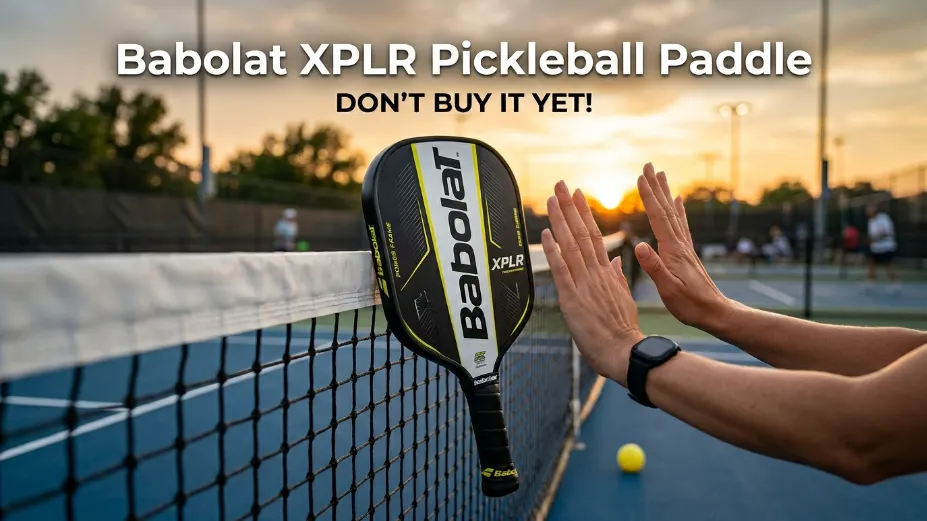
Tennis giants stepping onto the pickleball court usually trigger two reactions: skepticism from the purists, or immediate hype. With the launch of the babolat xplr pickleball paddle, Babolat isn’t just dipping a toe into the fastest-growing sport in America—they are attempting to reshape the baseline game for intermediate players. Forget the generic marketing buzzwords; what matters is whether this paddle delivers the precise control your soft game demands without compromising on put-away power when you’re caught at the kitchen line.
Babolat pickleball paddle specifications US official data: core material, face construction, average weight, grip length and size, and paddle shape with on-court performance impact
Babolat Pickleball Paddle — Specifications
Official US Data · Core · Face · Weight · Grip · Shape
For US players seeking an affordable, control-oriented paddle, the Babolat XPLR is a top-tier recommendation at its $99 MSRP, offering superb maneuverability and shock absorption for defensive dinks and resets. However, players looking for long-term spin durability or heavy power drives from the baseline may find better value in raw carbon fiber alternatives. Ultimately, the best option depends on your specific focus on joint protection and your budget limit.
Babolat XPLR Pickleball Paddle Review: An Honest Performance Analysis
The core design philosophy behind the babolat xplr pickleball paddle review centers on bridging traditional tennis racquet aesthetics with the technical requirements of the modern kitchen line. While many players focus solely on raw power, intermediate players quickly realize that matches are won or lost in the transition zone.
- The Hybrid Surface Matrix: Rather than relying on a basic composite layer, the face of the newest generation utilizes a hybrid blend of 65% carbon fiber and 35% fiberglass. This strategic combination ensures that the paddle does not feel like a “dead board” on off-center hits while still offering the soft touch required to drop third shots into the kitchen.
- RPM Grit Technology: Babolat applies a specialized rough paint finish across the face to generate topspin and slice. This coating is engineered to reach the absolute maximum friction coefficient allowed under USA Pickleball (USAP) guidelines, allowing players to shape their shots and keep aggressive baseline drives within bounds.
- The Widebody sweet spot: Measuring 8.2 inches in width, this paddle prioritizes lateral stability over the elongated reach of single-purpose singles paddles, making it highly forgiving for doubles players who need to execute quick reflex volleys during fast-paced hand battles.
For players searching through various babolat xplr pickleball paddle reviews online, it is crucial to recognize that the babolat xplr is designed specifically for control and maneuverability. If you are trying to understand the baseline dynamics before you learn how to play pickleball competitively, reading our analysis of specialized best beginner pickleball paddles will help establish a solid technical baseline.
Check Best Pickleball Paddles Under $100 Guide
The Core Spec Confusion: 13mm vs. 14mm Core Thickness
One of the most significant missing angles across mainstream retail reviews is the technical evolution and product discrepancies of the babolat xplr. Depending on where you buy, you may find vastly different specifications listed on e-commerce sites, which can easily confuse intermediate buyers.
The Older Generation Clearance Stock
Older versions of this paddle (frequently found on heavy discount in clearance sections) feature a 13mm core thickness and a 100% fiberglass face. These older models also tend to be narrower, measuring 7.8 inches in width and 16.1 inches in length. While they offer a bit more raw springy “pop,” they lack the sweet spot width, dampening comfort, and carbon-reinforced durability of the modern iteration.
The Modern USAP-Approved Standard
The up-to-date, officially supported model on the official Babolat US store features a plush 14mm core thickness and a widebody 8.2-inch profile. This extra millimeter of thickness, combined with the carbon-fiberglass hybrid surface, shifts the paddle’s performance profile from a stiff, cheap starter paddle into a highly reliable, vibration-dampening intermediate tool. Always double-check the listed specifications before buying clearance stock, as the 1mm core difference completely changes the mechanical behavior of the paddle face.
For a detailed breakdown of how core thickness impacts your shot consistency, check out our comprehensive comparison guide on 14mm vs 16mm pickleball paddle dynamics to determine which geometry aligns with your physical playing style.
Biomechanics, Joint Safety, and Grip Circumference
Equipment-related physical stress is a highly common issue on American courts, especially for players moving from heavy tennis racquets to lightweight pickleball paddles. The ergonomics of the babolat xplr offer excellent protective benefits, but they require a slight mechanical adjustment from the player.
The standard grip circumference of the XPLR is 4 inches, which is exceptionally thin for the average adult hand in the United States. Biomechanically, playing with a grip that is too small forces your hand to squeeze the handle too tightly to prevent the paddle from twisting on off-center hits. This continuous, high-tension squeeze places intense strain on the forearm muscles, transferring the shock of every ball impact directly to the lateral epicondyle tendon and causing painful pickleball elbow.
To prevent this, players should modify the handle to fit their anatomical measurements. By adding specialized cushion overgrips, you can build up the handle diameter to allow for a relaxed, loose grip. A relaxed hand allows the EVA-enclosed polypropylene core to absorb the kinetic shock of the ball, protecting your shoulder and elbow joints. Always remember that joint health is highly dependent on overall fitness, proper form, and equipment adjustments; if you experience persistent joint pain, always consult with a medical professional.
Exposing the Real-World Durability Gaps
While mainstream marketing materials emphasize the premium build quality of the brand, an independent look at the paddle’s design reveals distinct manufacturing trade-offs that budget-conscious players must monitor closely.
- The RPM Grit Durability Decay: Unlike high-end paddles that feature woven carbon fiber pickleball paddle faces, the RPM Grit on the XPLR is a spray-on paint finish. Under the high-friction demands of heavy topspin dinks and slices, this textured paint layer gradually wears down. Within 2 to 4 months of daily competitive play, the center of the sweet spot can become smooth, reducing your access to reliable spin.
- Edge Guard Adhesive Failures: The 1/5-inch overlapping edge guard provides solid defense against ground scrapes. However, under high summer heat on outdoor US courts, the adhesive backing can soften, leading to minor peeling along the throat of the paddle.
- Muted Power for Deep Drives: The EVA foam enclosing the polymer core is a fantastic tool for vibration dampening, but it acts as a kinetic sponge. This means the paddle lacks the explosive, springy return of raw fiberglass pickleball paddles, requiring players to swing harder to generate depth from the baseline.
For dedicated club players who play multiple times per week, these wear patterns are crucial to keep in mind. While the core of the paddle remains structurally sound and highly playable, the cosmetic and spin-generating surfaces have a limited peak-performance window.
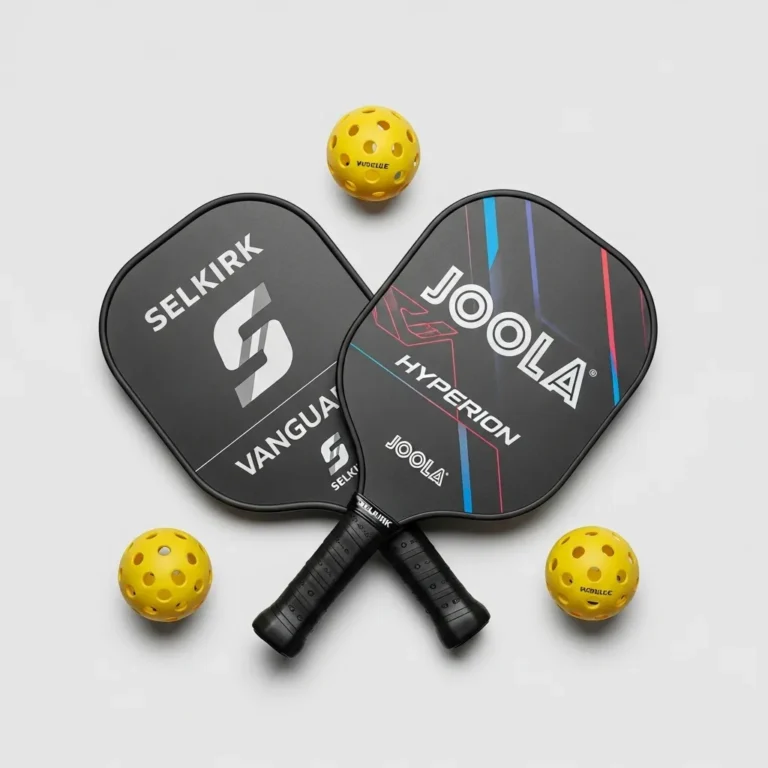
Head-to-Head: Babolat XPLR vs. Selkirk SLK Evo Power 2.0
For US players deciding between these two popular options under the $100 mark, the choice comes down to a fundamental split in playstyle and court philosophy. Both are USAP-approved and widely available, but they cater to entirely different goals.
The on-court differences are analyzed in detail below:
- Comfort and Arm Protection: The Babolat XPLR wins decisively in comfort. The EVA-enclosed core provides a highly plush, cushioned sensation on impact that minimizes joint shock. The Selkirk SLK Evo Power 2.0 features a stiffer, standard polymer core that transmits more feedback up the handle but offers a more immediate feel for the ball.
- Power and Power Resets: The Selkirk SLK Evo Power 2.0 is designed for bangers who love to drive the ball hard from the baseline, providing a springier response. The Babolat XPLR excels at the kitchen line, offering superior control for dinks, third-shot drops, and defensive blocks under USAP pickleball kitchen rules.
- Access to Spin: Out of the box, the RPM Grit on the Babolat XPLR bites the ball beautifully, offering better initial spin for slicing. However, as the spray-on grit wears down over months of play, the Selkirk’s surface texture maintains a more consistent, long-term friction profile.
For a complete overview of alternative paddles in this price bracket, explore our curated list of the best pickleball paddles under $100 alongside our professional guide to the best pickleball paddles for intermediate players to find your perfect technical fit.
The Legacy Brand Advantage: Is It Worth It?
On platforms like Reddit (`r/Pickleball`) and Quora, experienced players often critique historic tennis brands for being slower to adopt the latest unibody thermoformed designs popular among direct-to-consumer startups. Many advanced players argue that you can buy raw carbon fiber paddles from smaller brands for the same price as Babolat’s intermediate options.
While this critique has technical merit regarding peak spin potential, it completely overlooks the practical consumer advantages of buying from a historic giant. Purchasing the XPLR ensures excellent quality control standards, immediate availability at local US retail pro shops, and an ironclad 1-year manufacturer warranty. For recreational players and advancing intermediate players, these brand guarantees offer peace of mind that online-only startups simply cannot match.
Verdict: Should You Buy the Babolat XPLR?
The final decision on the Babolat XPLR depends entirely on your playing profile, joint sensitivity, and competitive goals.
- Who Should Buy: Advancing beginners and intermediate doubles players who prioritize control, soft dinking, comfort, and immediate joint safety. It is also an exceptional transition paddle for former tennis players who love the feel of a traditional octagonal handle on the court.
- Who Should Avoid: Power-focused baseline bangers who rely on explosive put-away power, and advanced tournament players who need raw carbon fiber surfaces for permanent, heavy topspin generation.
Frequently Asked Questions (FAQ)
Are Babolat pickleball paddles manufactured inside the United States?
No. While Babolat’s design, engineering, and product prototyping are managed at corporate headquarters in France and regional offices in the US, the physical assembly and composite materials are manufactured by specialized production partners in Asia, matching standard practices across the racquet and paddle industry.
Is the Babolat XPLR fully approved for official tournament play?
Yes. The Babolat XPLR is officially USAP-approved. It is listed on the USA Pickleball approved paddle list, meaning you can safely use it in any local league, DUPR-rated event, or sanctioned national tournament under official pickleball rules.
How can I safely clean the face of the paddle without damaging the RPM Grit?
You should avoid using rubber cleaning blocks or harsh chemical solvents on the face of the Babolat XPLR. Because the RPM Grit is a spray-on textured paint finish rather than a raw woven carbon surface, abrasive cleaning tools will accelerate the wear of the paint, smoothing out the surface prematurely. A gentle wipe with a damp microfiber cloth is the best way to clean dirt and ball dust from the face.