You are standing at the baseline, ready to drive the ball. You swing with everything you have, but the return shot feels lackluster, easily returned by your opponent at the kitchen line. If you feel like your shots lack that extra “punch” or “zip,” the issue might not be your mechanics—it might be your equipment.
Enter the world of fiberglass pickleball paddles. Often overshadowed by the marketing hype surrounding carbon fiber, fiberglass (frequently labeled as “composite” in the industry) remains the secret weapon for players seeking immediate power and explosive energy return.
Whether you are a beginner looking for easy depth on your serves or a banger who loves to drive the ball, understanding the material science behind your paddle is crucial. In this comprehensive guide, we will break down exactly what makes a fiberglass pickleball paddle unique, how it compares to graphite and carbon fiber, and why it might just be the missing piece in your game.
Fiberglass vs. Graphite vs. Carbon Fiber: What’s the Real Difference?
Walking into a pro shop or browsing online can be overwhelming. You see terms like “Graphite face,” “Carbon weave,” and “Composite core.” To make an informed decision, you need to understand the physics of these materials. The most common comparison players struggle with is graphite vs fiberglass pickleball paddles.
Fiberglass vs. Graphite
Graphite was the industry standard for years before the recent tech boom. Graphite faces are incredibly thin—about the thickness of a fingernail. Because the material is stiff and thin, it offers a very “crispy” feel. It is lightweight, which makes it excellent for quick hand speed at the net.
However, graphite is brittle. It doesn’t flex much. When the ball hits a graphite face, the energy is transferred instantly. In contrast, fiberglass pickleball paddles are made from a composite of glass fibers encased in resin. This material is softer and more flexible. Instead of a crisp “pop,” fiberglass offers a trampoline-like effect. It catches the ball, flexes slightly, and then fires it back out. This results in more inherent power with less effort from the player.
Carbon Fiber vs. Fiberglass Pickleball Paddle
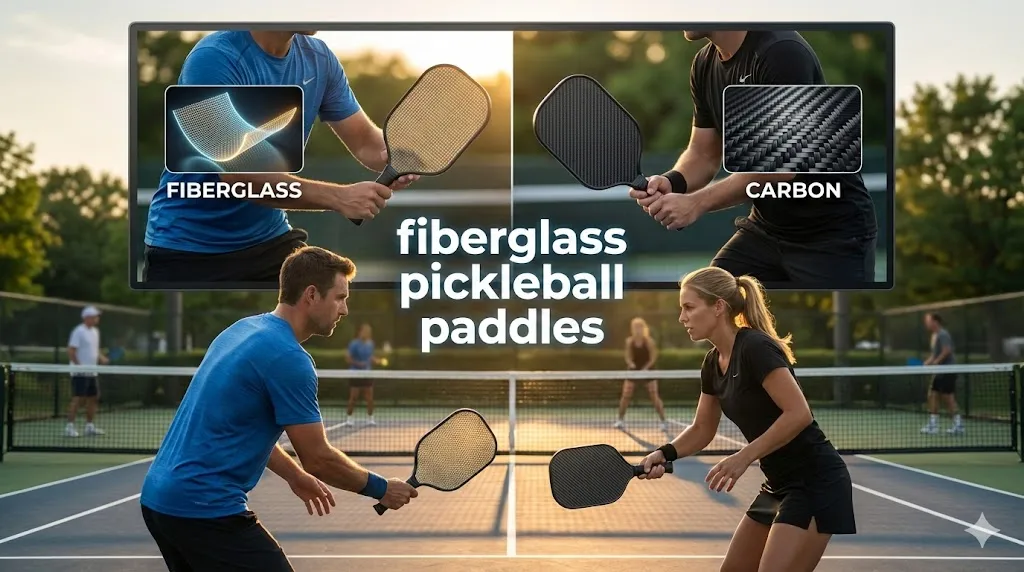
This is the modern debate: carbon fiber vs fiberglass pickleball paddle technology. Carbon fiber is currently the “premium” material in the sport, known for its high stiffness and durability. But “premium” doesn’t always mean “better” for your specific playstyle.
- Stiffness vs. Flexibility: Carbon fiber is stiff. When the ball hits it, the paddle absorbs the energy, giving you incredible control and a larger sweet spot. This is great for dinking and resetting. Fiberglass is the opposite; it is flexible and returns energy to the ball.
- The “Trampoline Effect”: If you are comparing carbon fiber vs fiberglass pickleball paddles for power, fiberglass almost always wins. The flexibility of the glass fibers creates a slingshot effect that launches the ball.
- Texture and Spin: Carbon fiber generally holds a textured “weave” longer, which is superior for spin. Fiberglass faces can generate spin, but they often rely on a spray-on grit that can wear down faster than the natural weave of carbon.
If you are interested in a deeper dive into the stiffer, control-oriented alternative, you can read our full guide on the carbon fiber pickleball paddle.
The Pros: Why Choose a Fiberglass Paddle?
Despite the surge in carbon fiber technology, fiberglass remains a top choice for millions of players. Here is why you should consider putting one in your bag.
1. Maximum Power (The “Pop”)
The defining characteristic of fiberglass is “Pop.” If you struggle to get the ball deep into the court on your serves or returns, a fiberglass face does the work for you. The material acts as an energy multiplier. You don’t need the swing speed of a pro athlete to generate pace; the paddle face assists you. This makes it ideal for neutralizing opponents who try to keep you back.
2. Incredible Value
Pickleball gear is getting expensive, with some paddles pushing past the $250 mark. Fiberglass is significantly cheaper to produce than woven carbon fiber. You can often find a high-performance fiberglass pickleball paddle that generates pro-level power for half the price of its carbon counterparts. It offers the best price-to-performance ratio on the market.
3. Aesthetics and Customization
While this affects performance less, it matters to many players. Fiberglass materials are easier to print graphics on. This is why the most colorful, vibrant, and unique paddle designs are usually found on fiberglass (composite) paddles, whereas carbon fiber paddles are often restricted to black or dark grey due to the nature of the material.
If you are browsing our list of top pickleball paddles, you will notice that the most visually striking options are almost exclusively fiberglass.
The Cons: What Manufacturers Don’t Tell You
To provide a balanced review, we must look at the downsides. There are reasons why many pro players eventually migrate toward carbon fiber, and these often involve consistency and longevity.
The Sweet Spot Limitation
Because fiberglass is flexible, it is less stable than carbon fiber. When you hit the ball dead-center on a fiberglass paddle, it feels amazing. However, on off-center hits (mishits near the edge), the flexible face can twist or flutter more than a stiff carbon face. This leads to a smaller effective sweet spot. With fiberglass, accuracy is key; if you miss the center, the ball might die on the paddle.
Durability and The “Fuzz” Factor
This is a niche insight that you will often find buried in Reddit threads but rarely in product descriptions. Fiberglass faces are prone to a specific type of wear.
- Surface Breakdown: Over time, the resin that holds the glass fibers together can chip or wear away from constant ball impact.
- The “Hairy” Paddle: When the resin wears down, the actual glass fibers can become exposed. If you look closely at an old fiberglass paddle, it might look fuzzy or like it has small hairs growing on it. This is a sign the paddle is dead and needs replacing.
- Delamination Risks: Because the face flexes so much, it pounds the honeycomb core underneath harder than a stiff paddle would. This can lead to “core crushing” or delamination, where the face separates from the core, resulting in dead spots.
Who is a Fiberglass Paddle For?
Understanding your own game is the first step in learning how to pick a pickleball paddle. Fiberglass is not for everyone, but for specific groups, it is the perfect match.
The Beginner and Intermediate Player
If you are just starting, developing perfect swing mechanics takes time. Fiberglass bridges the gap by giving you free power. It allows you to focus on placement without worrying about muscling the ball over the net.
The “Banger”
In pickleball terms, a “banger” is a player who prefers driving the ball hard rather than engaging in soft dinking battles. If your strategy relies on speed, aggression, and hard passing shots, the explosive energy return of fiberglass compliments your style perfectly.
The Budget-Conscious Competitor
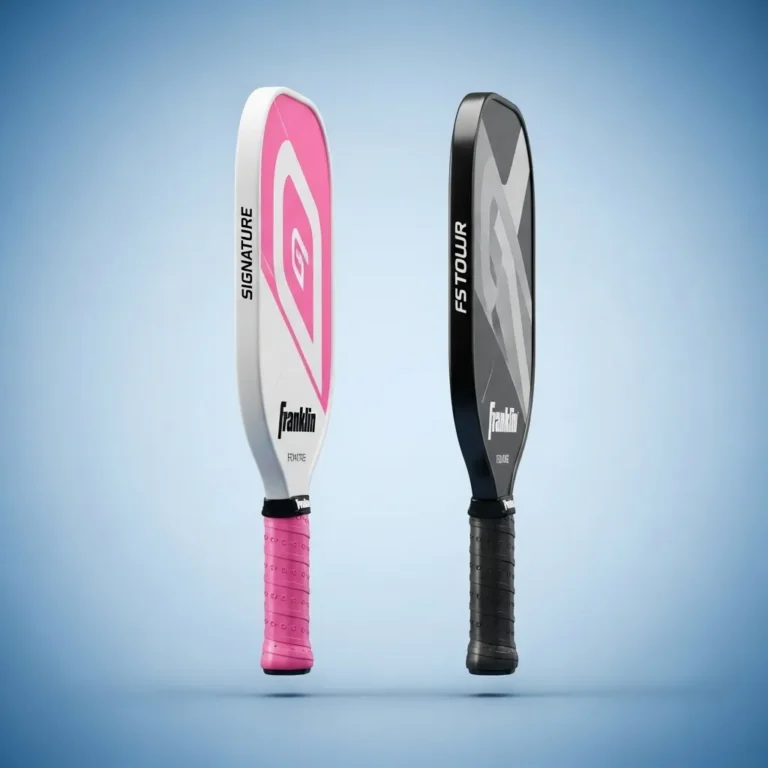
You do not need to spend $300 to be competitive. Many major brands offer high-quality composite paddles. For example, the Franklin pickleball paddle line features several fiberglass models that have been used to win gold medals at national tournaments, proving you don’t need carbon to win.
Frequently Asked Questions (FAQ)
We analyzed the most common queries from players across forums and search engines to bring you the answers that matter.
Is a fiberglass paddle heavier than a graphite paddle?
Generally, yes. Fiberglass composite material is denser than the thin layers of graphite or carbon used in other paddles. However, this isn’t always a bad thing. A slightly heavier paddle gives you more “plow through” and momentum, which helps with driving the ball deep. It offers a solid, substantial feel on impact.
Does fiberglass vibrate more than carbon fiber?
Yes. Because the material is less stiff, it transfers more vibration down the handle into your hand and arm upon impact. If you suffer from severe tennis elbow, you might want to look for a paddle with specific vibration-dampening technology or a thicker core, regardless of the face material.
Can you get good spin with a fiberglass paddle?
You can generate spin with any paddle, but fiberglass relies heavily on applied texture (grit) to grab the ball. The issue is longevity. On a carbon paddle, the weave itself creates friction. On a fiberglass paddle, the grit is often sprayed on top. When this grit wears off after a few months of heavy play, your ability to spin the ball will decrease significantly.
Are fiberglass paddles allowed in tournaments?
Yes, as long as they are on the approved list. Always check if your specific paddle model is USA Pickleball Approved before entering a sanctioned tournament. Most reputable fiberglass paddles meet the surface roughness and deflection standards required for tournament play.
Why does my fiberglass paddle feel “dead” after a few months?
This is often due to the “core crushing” mentioned earlier. Because the fiberglass face is so flexible, it hammers the honeycomb core with every hard hit. Eventually, the core loses its structural integrity. If your paddle sounds like a hollow rattle or feels like hitting a pillow, the core is likely compromised.
Top Brands Known for Fiberglass Technology
Not all fiberglass is created equal. While many generic cheap paddles use low-grade composite, several reputable manufacturers have perfected high-performance fiberglass faces that are used by pros. If you are looking to buy, here are the brands that consistently deliver quality in this category:
- Franklin Sports: Perhaps the most famous name in fiberglass. Their signature models are renowned for their surface texture and immense pop. Check out our overview of the Franklin pickleball paddle lineup.
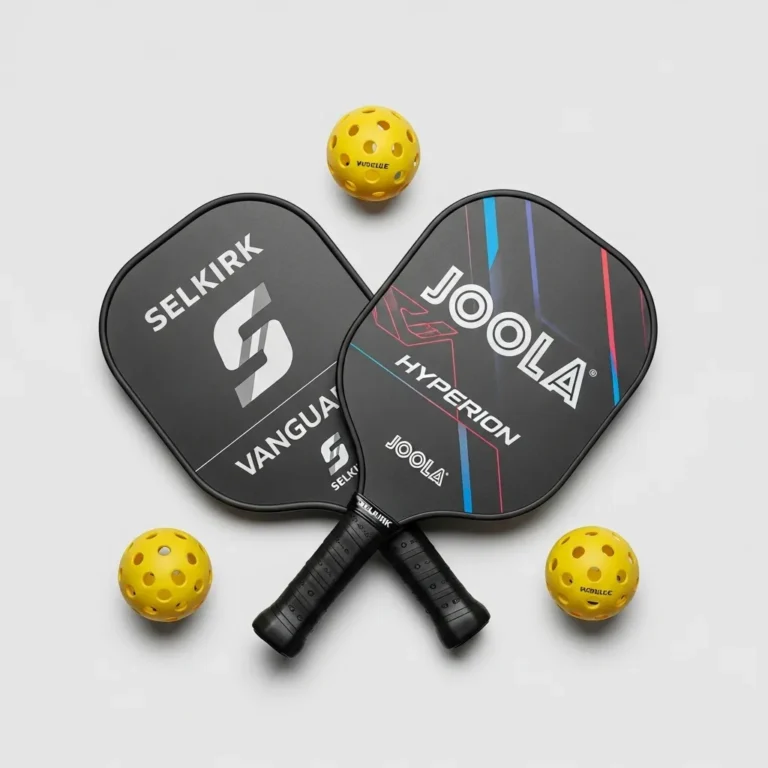
- SLK by Selkirk: Selkirk’s “SLK” line often utilizes composite fiberglass faces to offer premium performance at a more accessible price point. Learn more in our guide to the SLK pickleball paddle.
- HEAD: Known for their radical designs and shaped paddles, HEAD frequently uses composite materials to maximize power. Read more about HEAD pickleball paddles.
- Gamma: Another heavy hitter in the industry that utilizes various composite technologies for their power-focused paddles. See our breakdown of Gamma pickleball paddles.
Always remember to look for a “Polymer Honeycomb Core” paired with these fiberglass faces for the best durability.
Conclusion
The debate between carbon fiber vs fiberglass pickleball paddles ultimately comes down to what your game lacks. If you have plenty of power but need help keeping the ball in the court, go with Carbon. But if you want to add an explosive element to your drives, save some money, and enjoy a lively, responsive feel, a fiberglass pickleball paddle is an unbeatable choice.
It provides the “pop” that makes pickleball so addictive, helping you hit winners that your opponents simply can’t react to. Ready to find your perfect match? Don’t forget to check out our extensive reviews on the top pickleball paddles to see which fiberglass models made the cut this year.