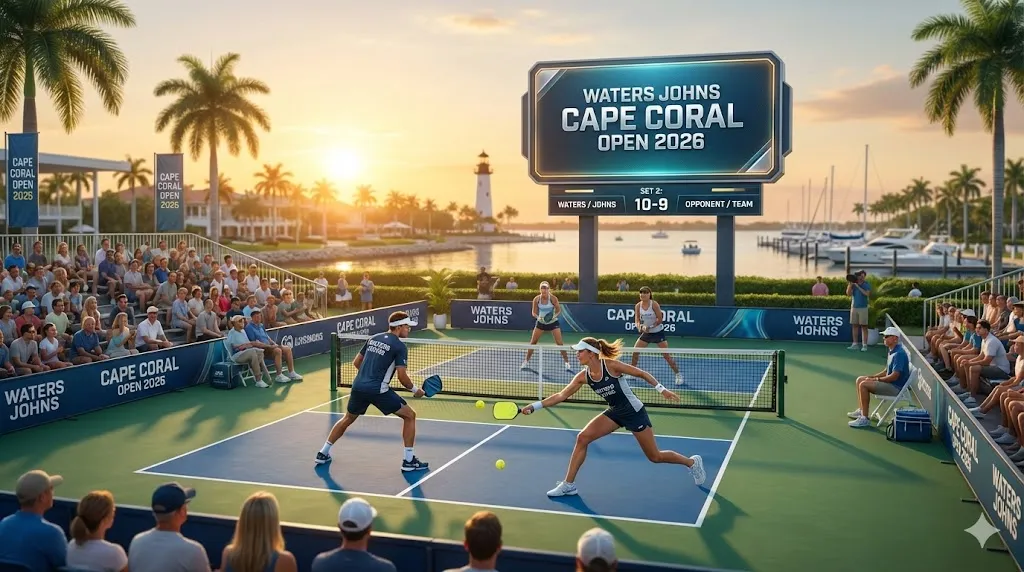
The Florida sun wasn’t the only thing bringing the heat to the Zimmer Biomet Cape Coral Open this Saturday. In a match that tested the resilience, adaptability, and tactical genius of the world’s number one mixed doubles pair, Waters Johns Cape Coral Open 2026 became a headline not just for the victory, but for the fierce battle that preceded it.
Anna Leigh Waters and Ben Johns, the dominant force in professional pickleball, punched their ticket to Championship Sunday, but not before overcoming a significant scare from the newly formed and surprisingly cohesive duo of Rachel Rohrabacher and Christian Alshon. The top seeds rallied from a first-game deficit to win 10-12, 11-7, 11-7, proving once again why they sit atop the PPA rankings.
This semifinal wasn’t just a display of athleticism; it was a masterclass in reading conditions. With temperatures soaring in South Florida, the dynamics of the ball changed drastically, forcing the players to rewrite their game plans in real-time. For fans wondering how to play pickleball at the elite level, this match served as the ultimate tutorial in adjustment and mental fortitude.
The Semifinal Breakdown: A Game of Two Halves
The scorecard—10-12, 11-7, 11-7—tells the story of a match that shifted on a knife’s edge. The number four seeds, Rohrabacher and Alshon, were teaming up for the very first time this week. Despite their lack of long-term chemistry, they looked like veterans, pushing the Anna Leigh Waters Ben Johns mixed doubles partnership to the brink in the opening set.
In Game 1, the underdogs capitalized on uncharacteristic errors from the favorites. Rohrabacher’s defensive lobs were landing deep near the baseline, while Alshon utilized off-pace speedups to catch Johns off guard. The first game loss sent a murmur through the crowd, raising the specter of a massive upset.
However, champions are defined by how they respond to adversity. The Waters Johns Cape Coral Open 2026 narrative shifted in Game 2. Waters tightened up her dinking game, and Johns began to impose his will at the kitchen line, turning the momentum back in favor of the top seeds.
The “Mushy Ball” Factor: Battling the Elements
One of the most critical, yet often overlooked, aspects of outdoor pickleball is the weather. The Cape Coral heat had a profound effect on the equipment, specifically the ball. In high temperatures, the plastic of a pickleball softens, leading to what pros call a “mushy” or “soft” ball.
This phenomenon changes the physics of the game. A softer ball doesn’t bounce as high and, more importantly, it doesn’t travel as fast off the paddle face. This makes “put-away” shots significantly harder to execute. Smashes that would usually be winners come back into play, extending rallies and testing the cardiovascular endurance of the athletes.
For players using high-performance gear like the JOOLA Ben Johns Perseus Pro IV Pickleball Paddle, the feedback from the ball feels different in the heat. The “pop” is diminished, requiring players to generate more of their own power or rely on placement over brute force.
Ben Johns on Strategic Adjustments
In his post-match interview, Ben Johns provided a fascinating glimpse into the mind of a champion. He acknowledged the difficulty of the conditions, noting that it was the hottest day of the week so far.
“I felt like the ball was softening up a lot in Game 1. I feel like we made a couple of errors leaving the ball short, and when the ball’s soft, you really don’t want to be doing that because it’s hard to put the ball away,” Johns explained.
This insight is crucial for amateur players to understand. When the ball is soft, leaving it short allows opponents to attack without fear, because the counter-attack won’t be as fast. Johns noted that if you are going to miss in these conditions, “you should be missing far” (hitting it out) rather than netting it or leaving it short.
Tactical Shift: From Patience to Aggression
The turning point in the Waters Johns vs Rohrabacher Alshon clash came when the top seeds decided to change their aggression levels. In standard conditions, patience is often the key. However, with the soft ball neutralizing the speed of counter-attacks, Johns realized he could be more aggressive with his speedups.
- Game 1 Strategy: Conservative dinking, waiting for the perfect pop-up. Result: Loss (10-12).
- Game 2 & 3 Strategy: Calculated aggression. attacking balls off the bounce and initiating hand battles. Result: Wins (11-7, 11-7).
“In Games 2 and 3, we were also attacking a little bit more because again with the soft ball, the counters don’t come back quite so hard, so you can be on top of the next shot,” Johns added. This is a prime example of Pickleball hot weather strategy: knowing that your opponent’s ability to punish your attacks is reduced, giving you the green light to pressure them more frequently.
This level of strategic depth is what separates the pros. For those looking to emulate this style, understanding the Ben Johns pickleball strategy is essential for elevating your own game.
The Challengers: Rohrabacher and Alshon Shine
Despite the loss, the performance of Rachel Rohrabacher and Christian Alshon was nothing short of spectacular. For a partnership formed only days prior, their synchronization was impressive. They effectively targeted the middle of the court, causing brief moments of confusion for Waters and Johns regarding who should take the shot—a common issue in mixed doubles.
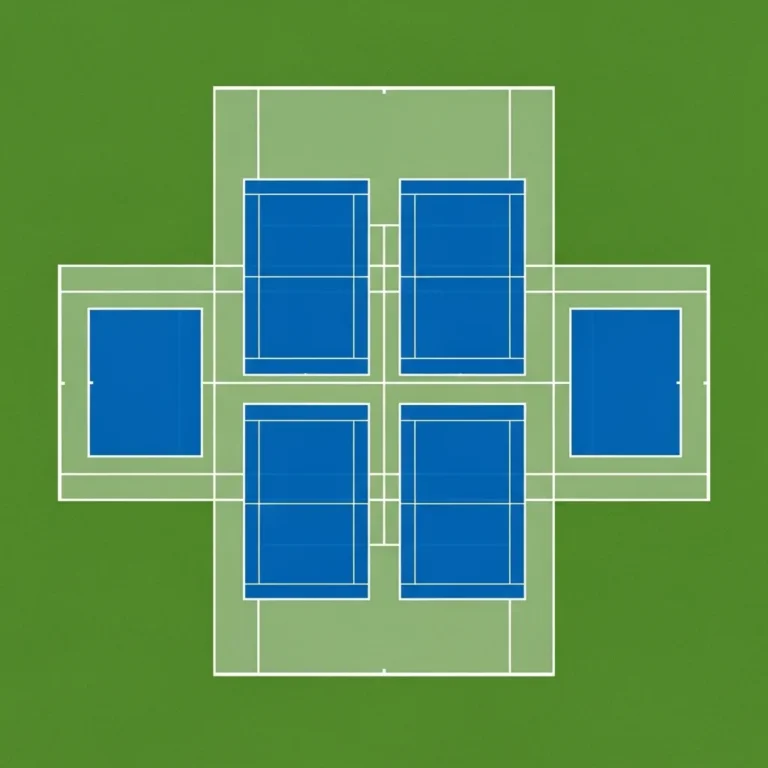
Alshon’s athleticism allowed him to cover a tremendous amount of pickleball court dimensions, while Rohrabacher’s lobs were a strategic masterstroke against the sun. By forcing Waters and Johns to look up into the glaring Florida sun to track overheads, they induced errors that kept them in the match.
This match served as a reminder that rankings don’t play the game on the court. The gap between the top seeds and the challengers is closing, making every semifinal a potential thriller. Fans can catch more of these high-stakes matchups on Pickleball TV.
Looking Ahead to Championship Sunday
With this victory, Anna Leigh Waters and Ben Johns advance to yet another final. Their ability to adapt to the “mushy ball” and the Soft ball adjustment pickleball requirements of the day solidifies their status as the favorites. However, the physical toll of a three-game grinder in the heat cannot be ignored.
Recovery will be key. As any pro knows, managing fatigue and preventing pickleball injuries is just as important as shot selection. All four players from this semifinal are slated to return to the court for gender doubles later in the day, adding another layer of endurance to the equation.
For the latest official updates, brackets, and schedules for the final, you can always visit the official PPA Tour website.
Fan Highlights & Common Questions
Missed the action? Here are the key moments and answers to common questions about the match.
Watch the Incredible Match Highlights
Check out this incredible moment from the tour illustrating the intensity of the play:
View this post on Instagram
Frequently Asked Questions
1. Why did Ben Johns say the ball was “mushy”?
The intense heat in South Florida softens the plastic of the pickleball balls. This reduces the bounce height and the speed at which the ball travels off the paddle, making it feel “soft” or “mushy.”
2. Who are Waters and Johns playing in the final?
The opponent for the final will be determined in the other semifinal bracket. Be sure to check the PPA Tour schedule for the latest updates.
3. What are the rules for Mixed Doubles scoring?
Mixed doubles follows standard pickleball rules doubles. Games are typically played to 11, win by 2, but in PPA bracket play, it is often a best 2 out of 3 format.
4. Where can I learn more about Anna Leigh Waters?
Anna Leigh is a phenomenon in the sport. You can read more about her career and equipment on our dedicated Anna Leigh Waters profile page.
5. Was Ben Johns playing with his signature paddle?
Yes, Ben Johns competes using the Ben Johns signature series paddles from JOOLA, designed specifically for his playstyle.