If you are tired of the chaotic crowds at Central Park or fighting for a chalk-lined spot on a tennis court, it’s time to head west. Nestled along the Hudson River, the Riverside Park pickleball courts offer one of the most scenic and competitive open-play environments in Manhattan. But before you grab your paddle and head to West 110th Street, there are unwritten rules, wind conditions, and wait times you need to master.
While many newcomers stumble upon the courts expecting a casual hit-around, the local scene is vibrant and structured. Whether you are a 3.0 beginner or a 4.5 banger, this guide covers everything from the “paddle stacking” etiquette to the best times to play. Let’s dive deep into why the Riverside Park pickleball courts are considered the gem of the Upper West Side.
Location & Access: Finding the Courts
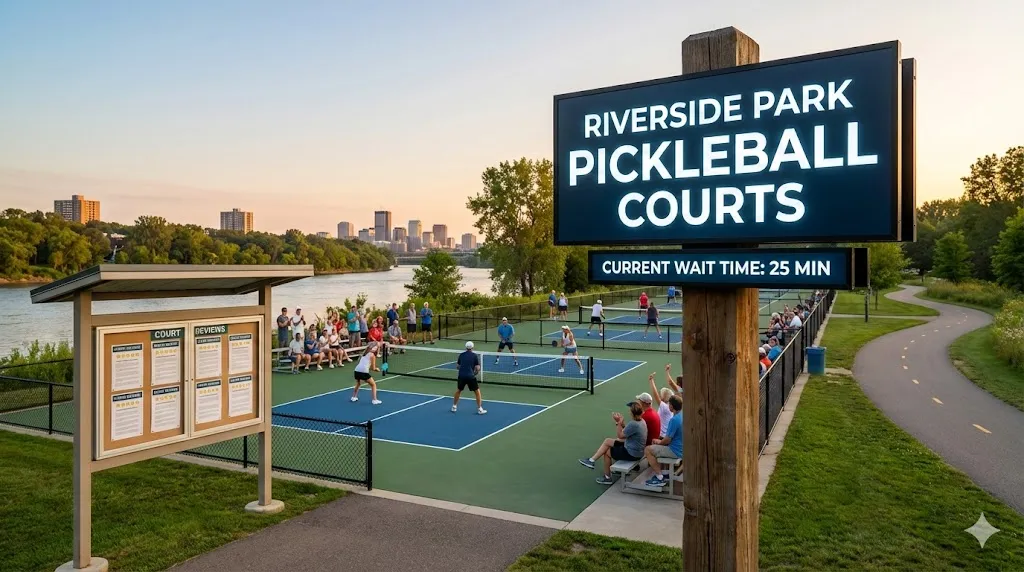
The dedicated pickleball facility is located in Riverside Park, specifically near West 110th Street (Cathedral Parkway) and Riverside Drive. Unlike the clay tennis courts at 96th Street, these are hard-surface courts designed specifically for pickleball.
- Subway Access: Take the 1 Train to Cathedral Pkwy (110 St). It is a short 5-minute walk downhill towards the river.
- Parking: Street parking is available along Riverside Drive, though spots can be scarce during peak hours.
- Park Entrance: Enter at 110th Street and follow the path towards the river; you will hear the distinct “pop” of the ball before you see the nets.
For those traveling with gear, having a reliable bag is essential for the walk. Check out the best pickleball bags for men to keep your equipment organized on the go.
Comprehensive Riverside Park Pickleball Courts Reviews: The Good, The Bad, and The Windy
When looking for honest riverside park pickleball courts reviews, players often have mixed feelings depending on the weather and the time of day. To give you a complete picture, we have broken down the playing experience from every angle.
1. The Surface and Nets
The courts feature a standard asphalt hard-court surface. It provides a consistent bounce and is generally well-maintained by the NYC Parks Department. There are five dedicated courts with permanent painted lines and permanent metal nets. This is a huge “Pro” in reviews, as you do not need to bring your own portable pickleball net or tape.
2. The “Hudson Wind” Factor
This is the most critical part of any riverside park pickleball courts review. Because the courts sit directly on the Hudson River, wind is a constant variable. On breezy days, the wind can wreak havoc on a soft “dink” game. Local players strongly recommend using heavier, wind-resistant outdoor balls like the Dura Fast 40 or Franklin X-40 rather than softer indoor balls. If you are unsure about the difference, read our guide on the difference between indoor and outdoor pickleballs.
3. The Vibe and Community
The community is described as “serious but welcoming.” During peak hours (5:00 PM – Sunset), the level of play is generally intermediate to advanced (3.5 – 4.5+). If you are a total beginner, the fast-paced rotation might feel intimidating, but the morning crowd is typically more relaxed.
4. The “No Lights” Limitation
A major downside mentioned in almost every review is the lack of floodlights. Unlike some other NYC parks, the riverside park pickleball court area goes dark immediately after sunset. This means in late autumn and winter, play stops as early as 4:30 PM.
The “Open Play” System: Rules & Etiquette
Riverside Park operates on a strict “Open Play” basis. There are no reservations—it is first-come, first-served. To keep things moving, the locals strictly adhere to the Paddle Stacking System.
- The Rack: When you arrive, locate the paddle rack on the fence. Place your paddle in the next available slot (moving left to right).
- 4-On-4-Off Rule: This is the golden rule. When all courts are full, four players play one game to 11 points. Win or lose, all four players vacate the court, and the next four paddles in the rack take the court.
- Solo Players: You do not need a partner. Simply stack your paddle. If you are alone, you will be paired with the other three players in your group.
Understanding this system is crucial to avoiding conflict. If you are new to the etiquette of rotation, brush up on how pickleball open play works.
Amenities and Gear Recommendations
Since the courts are public, amenities are basic. There are no gear rentals on-site, so you must arrive prepared.
- Restrooms: The nearest public restrooms are located at the 105th Street area of the park (about a 5-minute walk south).
- Water: There are water fountains along the running path, but during hot summer days, they may not be enough. Bring a large insulated bottle.
- Footwear: The asphalt is abrasive. playing in running shoes can lead to ankle injuries. Ensure you are wearing proper court shoes. We have reviewed the best pickleball shoes for men designed specifically for hard surfaces.
Disambiguation: Which Riverside Park?
While this guide focuses on Manhattan, “Riverside Park” is a popular name. If you are searching for riverside park-pickleball courts outside of NYC, you might be looking for:
- Riverside Park (Oviedo, Florida): A popular spot with 3 lighted outdoor courts.
- Riverside Park (Janesville, Wisconsin): Home to the Jim Clark Memorial Pickleball Courts.
- Riverside (California): Often refers to the Riverside Tennis Center or Shamel Park.
However, for the pickleball courts riverside park in NYC, the West 110th Street location is the only dedicated outdoor facility in the area.
Frequently Asked Questions (FAQ) & Location Map
Below are the most common questions players ask about the Riverside Park courts, along with an interactive map to help you find your way.
Where exactly are the dedicated pickleball courts located in Riverside Park?
The primary dedicated courts are located near West 110th Street and Riverside Drive. Players can access them via the park entrance at 110th St. They are separate from the tennis courts located further south at 96th Street.
Do I need a permit or reservation to play at Riverside Park?
No. Unlike some NYC tennis courts that require a season permit, the dedicated pickleball courts at W 110th St operate on a first-come, first-served basis. There is no reservation system, and play is free for everyone.
Does the wind from the Hudson River affect gameplay?
Yes, significantly. Because the courts are situated right next to the Hudson River, wind is a major factor. Players often recommend using heavier outdoor balls to counteract the breeze. For strategy on playing in these conditions, check our tips on outdoor ball characteristics.
How does the “paddle stacking” or rotation system work here?
When courts are full, players use a paddle rack system. You place your paddle in the rack (left-to-right) to claim the next spot. The standard rule is “4-on-4-off” when people are waiting, meaning all four players vacate the court after one game to let the next group play.
Are there lights for evening or night play?
No. The dedicated courts at 110th Street do not have lights. This means play must stop at sunset. If you need to play at night, you may need to look for indoor facilities or courts with lights elsewhere in the city.
Is there a specific TeamReach code for the Riverside Park pickleball community?
Yes, the local community is very active on the TeamReach app. Common codes include West26 (Upper West Side group). Codes are often posted on the court fences so you can join the chat for real-time updates on court conditions.
Final Verdict
The Riverside Park pickleball courts offer a unique NYC experience. While the wind and wait times can be challenging, the stunning river views and organized community make it worth the trip. Just remember to bring your paddle cover to protect your gear during the walk, stack your paddle respectfully, and enjoy the game.
For more official updates on park rules, you can visit the Riverside Park Conservancy website.