pickleball vs tennis
At first glance, pickleball and tennis can seem like close cousins—same net, similar court lines, and a shared love of sending a ball over to the other side. But spend just a few minutes playing each, and you’ll quickly realize they offer very different experiences. One is built on power, endurance, and long rallies across a wide court, while the other thrives on finesse, quick reflexes, and close-quarters strategy.
Whether you’re choosing your first paddle or racquet, or simply curious about why pickleball has exploded in popularity, understanding what truly sets these two sports apart can help you decide which one fits your style, body, and mindset. Let’s break it all down, from the basics to the finer details, and see how pickleball and tennis really compare.
Core Differences & Basics
When you strip away the hype, you are left with two games that look similar from a distance but feel wildly different once you step across the painted lines. Understanding the fundamental mechanics is the first step in deciding which racquet to grab.
What are the main differences between pickleball and tennis?
Think of tennis as a marathon of power and endurance. It relies heavily on movement, topspin, and covering a massive amount of ground. The ball is pressurized rubber, meaning it flies fast and bounces high.
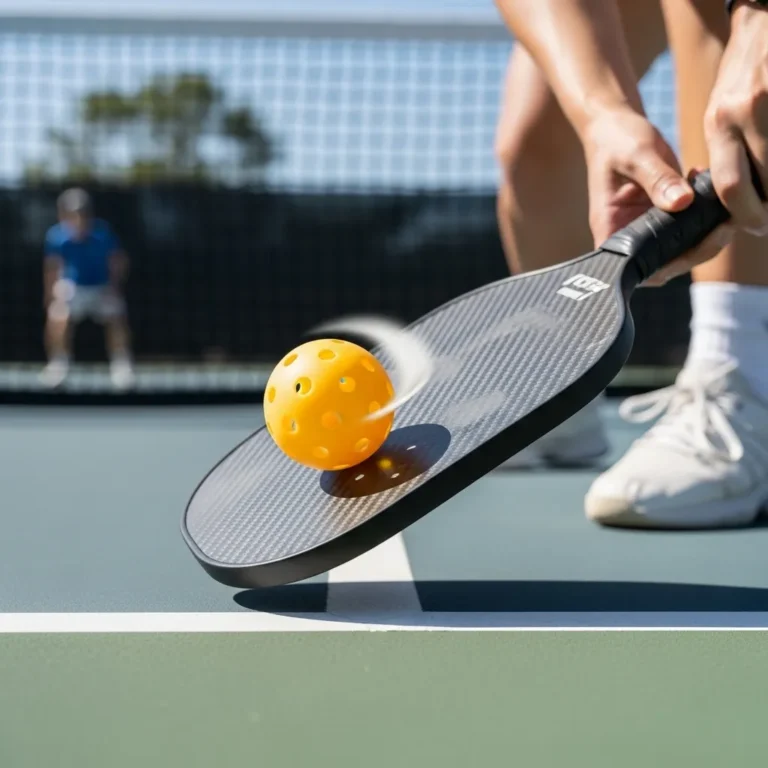
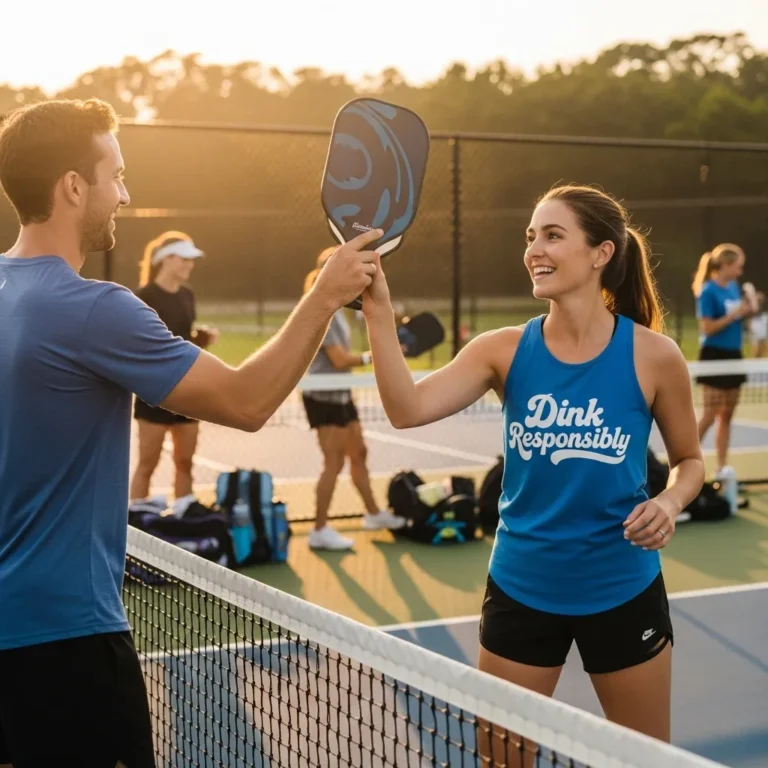
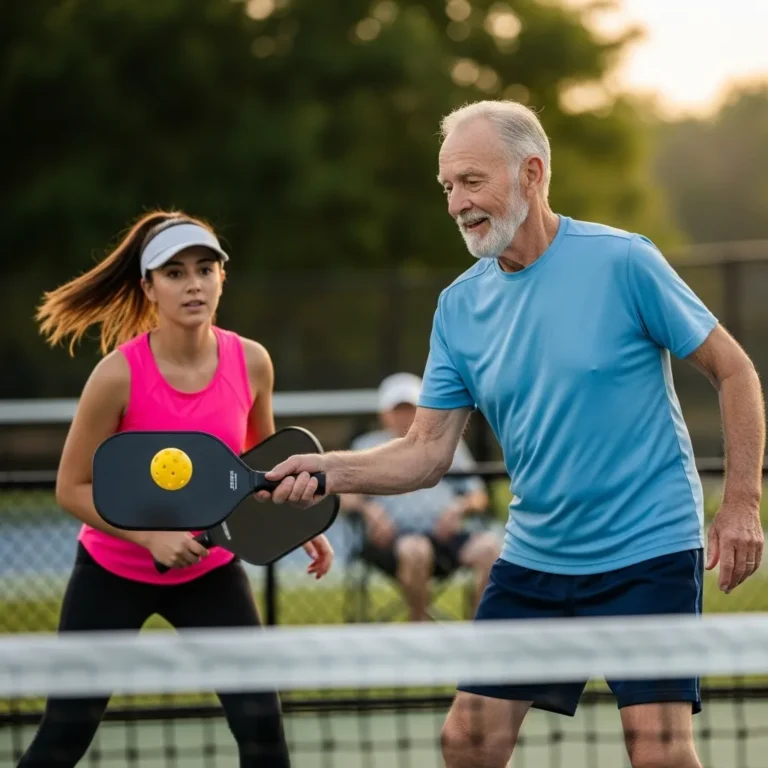
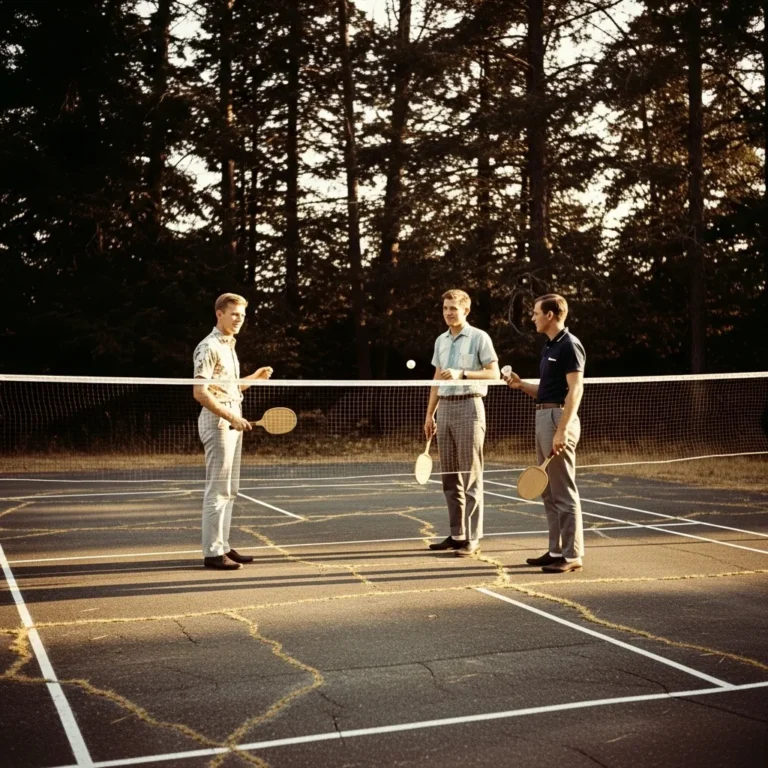
Pickleball, on the other hand, is often described as the lovechild of tennis, badminton, and ping-pong. It is played with a solid paddle and a plastic ball with holes (similar to a wiffle ball). The game emphasizes placement and patience over raw power. While tennis rewards the player who can hit the ball past their opponent at 100 mph, pickleball often rewards the player who can softly drop the ball over the net until the opponent makes a mistake. The vibe is also notably different; tennis is often quiet and focused, while pickleball culture is chatty, social, and often played closer to your opponent.
Is pickleball just “mini tennis”?
This is the most common misconception, and frankly, it drives dedicated pickleball players crazy! While it looks like mini-tennis because of the scaled-down court, the strategy is almost opposite. In tennis, you generally want to stay back at the baseline and hit groundstrokes. In pickleball, the goal is to rush to the net (the “Kitchen” line) as fast as possible. If you try to play pickleball with a tennis mindset—standing back and swinging for the fences—you will likely lose to someone much older and slower than you who simply understands the geometry of the game. So, no, it isn’t just mini tennis; it’s a unique tactical battle.
pickleball court vs tennis court: How does the court size of pickleball compare to a tennis court?
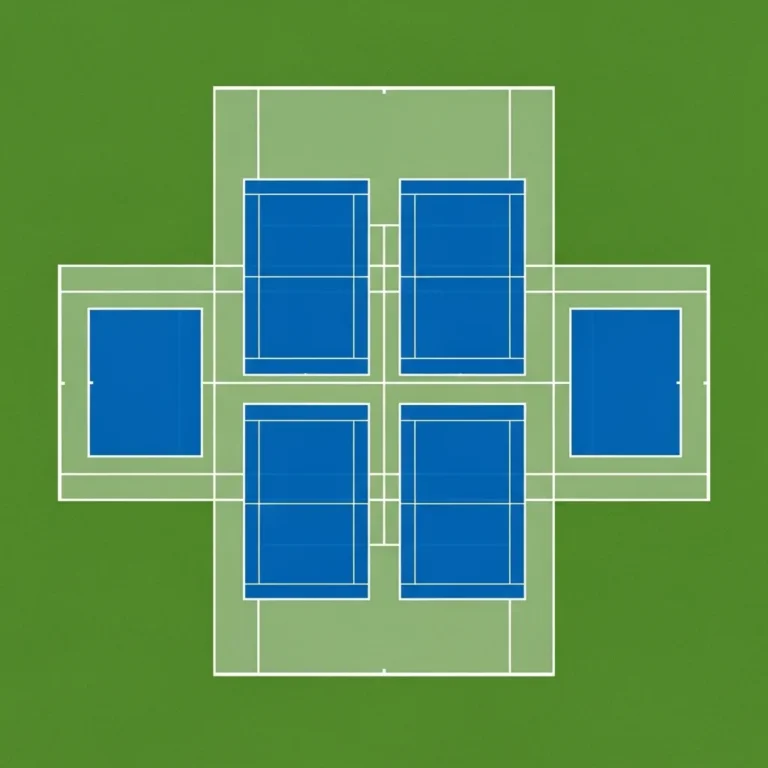
If you have limited space, pickleball is a dream. A standard tennis court is 60 feet wide and 78 feet long (including the doubles alleys). It feels vast when you are running from corner to corner.
A pickleball court is significantly more intimate, measuring just 20 feet wide and 44 feet long. To put that in perspective, you can fit four pickleball courts onto a single tennis court. This smaller footprint is a huge reason for the sport’s explosion; it’s easier to find a place to play, and you are never too far from your partner—or your opponents, which makes friendly banter (or trash talk) much easier.
What are the major rule differences regarding scoring and serving?
This is where beginners often get a headache. Tennis uses that quirky “15, 30, 40, Game” system that dates back to medieval France. It involves sets and matches, and you serve overhead, often as a weapon to win the point immediately (an ace).
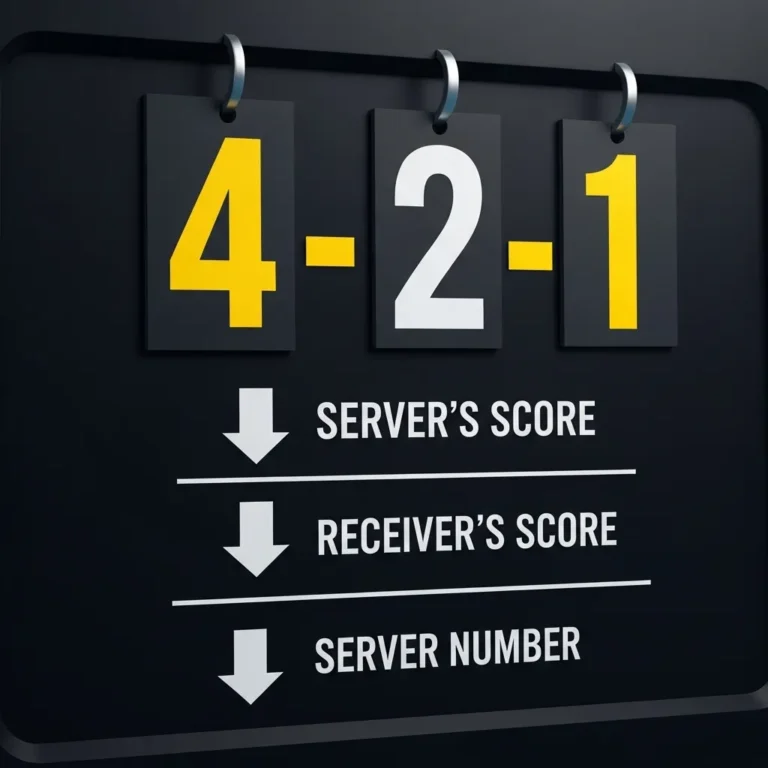
Pickleball scoring is simpler in theory but sounds like a code: “1-1-2” or “4-3-1.” You say your score, the opponent’s score, and then which server you are (1 or 2). Crucially, you can only score points when your team is serving.
The serve itself is the biggest equalizer. In tennis, the serve is an offensive weapon. In pickleball, the serve must be underhand and below the waist. It is merely intended to start the point. You cannot blast an ace past someone easily, which neutralizes the advantage of height and power right from the start.
Why has pickleball become so popular compared to tennis recently?
Accessibility is the magic word. You can walk onto a pickleball court for the first time in the morning and be playing a coherent, fun game by the afternoon. Tennis has a high “barrier to entry”—it can take months of lessons just to keep the ball in play. Pickleball offers instant gratification. Combine that with the social aspect—the courts are smaller, so you talk more—and the fact that it’s easier on the body, and you have a recipe for a viral sensation that appeals to everyone from teenagers to retirees.
Difficulty & Learning Curve
We all want to know: “How much is this going to embarrass me on day one?” The learning curve is one of the sharpest dividers between tennis vs pickleball
Is pickleball easier to learn than tennis for beginners?
Without a doubt, yes. The paddle is closer to your hand (literally an extension of your palm), which makes hand-eye coordination much more intuitive than managing a long tennis racquet. The ball travels slower, giving your brain more time to calculate the trajectory. Most people can sustain a rally in pickleball within 15 minutes of picking up a paddle. Tennis, conversely, is notorious for “home run” hits where beginners send balls flying over the fence for the first few weeks.
Which sport requires more technical skill to start playing?
Tennis demands a higher level of technical proficiency just to play a recreational match. You need to learn grip changes, footwork patterns, and the mechanics of topspin just to keep the ball inside the lines. If your form is off in tennis, the ball goes nowhere or everywhere.
Pickleball allows for “ugly” strokes to still work. You can tap the ball, block it, or scoop it, and the game goes on. However, do not mistake “easy to start” for “easy to master.” At the pro level, pickleball requires insane reflex speeds and chess-like strategy, but the floor to enter the sport is much lower.
Is the gameplay pace faster in pickleball or tennis?
This is a trick question. In terms of ball speed, tennis is faster; a pro serve can hit 140 mph. But in terms of reaction time, pickleball can feel frantic. Because you are standing only 14 feet away from your opponent at the net, a ball hit at 40 mph gives you milliseconds to react. Pickleball involves rapid-fire volley exchanges (hands battles) that look like a blurred frenzy. Tennis allows you more time to run to the ball, but you have to cover way more distance.
Can you play pickleball alone (singles) like tennis?
You certainly can, and singles pickleball is a beast of a workout. However, the culture of the sport is overwhelmingly focused on doubles. Tennis has a very healthy balance of singles and doubles play. In pickleball, because the court is small, playing singles requires covering the whole width alone, which changes the strategy from patience to passing shots. It is fun, but if you show up to a local park, expect to play doubles.
Equipment & Cost
Before you commit, you need to know what you are buying. The good news is that compared to sports like golf or ice hockey, both pickleball and tennis are relatively affordable.
Is pickleball cheaper to play than tennis?
generally speaking, yes. A decent starter paddle for pickleball can cost between $30 and $70, whereas a decent beginner tennis racquet usually starts around $100. Furthermore, tennis strings break and lose tension, requiring professional restringing (a recurring cost). A pickleball paddle is a solid slab; unless you smash it against the ground in frustration, it lasts a long time. Court fees are often lower for pickleball, or free if you use converted public spaces.
Paddle tennis vs pickleball paddles: What are the differences from a tennis racquet?
A tennis racquet is a frame with strings. The strings act as a trampoline, generating power and spin. The physics of the strings allow you to brush the ball for massive topspin.
A pickleball paddle looks like an oversized ping-pong paddle. It has a honeycomb core (usually polymer) and a face made of graphite, carbon fiber, or fiberglass. It doesn’t have the “trampoline” effect of strings. The ball pops off it instantly. This means you have to generate your own power or use the opponent’s pace against them.
How do pickleballs differ from tennis balls in terms of bounce and speed?
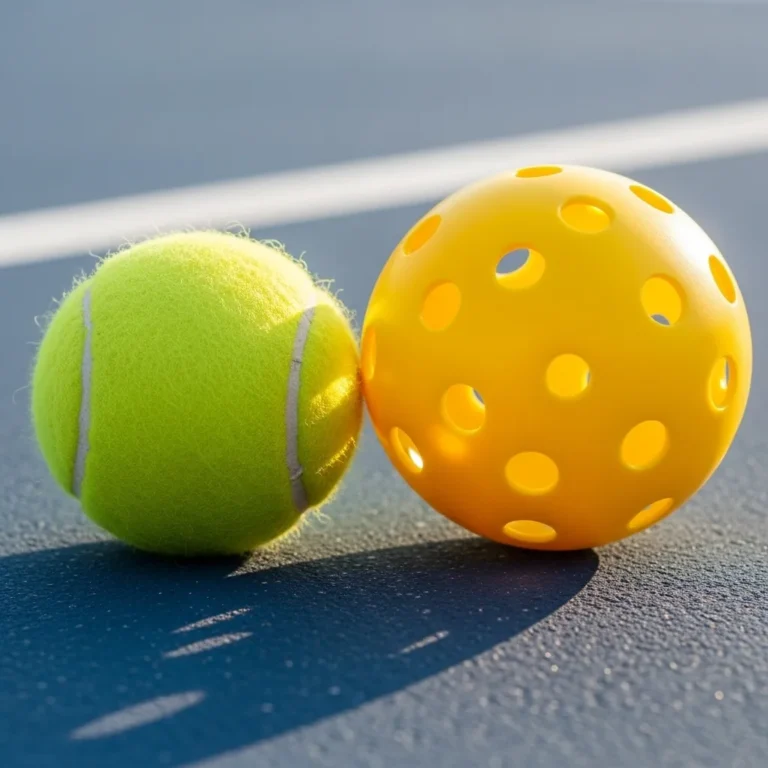
A tennis ball is pressurized felt and rubber. It bounces high—sometimes over your head—and retains speed after the bounce.
A pickleball is hard plastic with holes. It doesn’t bounce very high. In fact, if you drop it from shoulder height, it might not even reach your waist. The wind also affects it significantly more. Because it’s hard plastic hitting a hard paddle, the noise is louder and sharper, which is a point of contention in some quiet neighborhoods!
Do I need special shoes for pickleball, or can I use tennis shoes?
You can absolutely use tennis shoes for pickleball. In fact, tennis shoes are preferred. What you cannot use are running shoes. Running shoes are designed for forward motion; they have high heels and thick foam that can cause you to roll your ankle during the side-to-side (lateral) movements required in both sports. Whether you choose tennis or pickleball, buy “court shoes” designed for lateral stability. Your ankles will thank you.
Physical Demands & Fitness
You want to get fit, but you also want to wake up the next morning able to walk. How do the two compare as a workout?
Which sport burns more calories: pickleball or tennis?
If we are looking at pure numbers, singles tennis is the heavy hitter. Playing vigorous singles tennis can burn 600–800 calories an hour because you are constantly sprinting, stopping, and exploding into jumps.
Pickleball generally burns fewer calories, somewhere in the 300–500 range per hour for casual to moderate play. However, because pickleball is lower intensity, people often play for three or four hours at a time, whereas a tennis player might be exhausted after 90 minutes. So, the total burn might even out depending on duration!
Is pickleball less physically demanding than tennis?
Yes, and that is a major selling point. You run less distance. There is no overhead serving motion that shreds rotator cuffs. It is a fantastic option for people recovering from injuries, older adults, or anyone who wants the thrill of competition without the exhaustion of a triathlon.
How does the impact on joints and knees compare between the two sports?
Tennis is high-impact. The hard court surface combined with sudden stops and sprints is tough on knees, hips, and the lower back. “Tennis elbow” is also a very real condition caused by the vibration of the racquet.
Pickleball is gentler. The court is smaller, so there is less sprinting. However, do not be fooled—it isn’t risk-free. There is a lot of bending and lunging (especially at the Kitchen line), which can strain the lower back and knees if you don’t warm up. Eye protection is also highly recommended in pickleball because the ball can travel fast at close range.
Does pickleball provide a good cardiovascular workout compared to tennis?
It absolutely does, especially if you play at a high level or play singles. It keeps your heart rate in a moderate “fat-burning” zone rather than the high-intensity interval spikes seen in tennis. It is excellent for heart health, balance, and agility.
Transitioning & Strategy
Interestingly, the war between pickleball vs tennis often ends with a peace treaty where players enjoy both. But switching back and forth requires mental gymnastics.
Does having a background in tennis help you play pickleball?
Massively. Tennis players already understand angles, footwork, and how to watch a ball. They usually rise to the top of the beginner pickleball ranks very quickly. Their volleys and overheads are usually lethal immediately.
What are the bad habits tennis players bring to pickleball?
The “Tennis Swing” is the enemy in pickleball. In tennis, you take a big backswing to generate power. In pickleball, if you take a big backswing, the ball will hit you before you finish the stroke! Tennis players have to learn to shorten their strokes to compact punches. They also tend to stay back at the baseline too much, whereas pickleball is won at the net.
Why is the “Kitchen” (Non-Volley Zone) so critical in pickleball strategy compared to tennis?
This is the defining rule of pickleball. The “Kitchen” is the 7-foot zone on either side of the net. You cannot step inside it and hit the ball out of the air (volley). This prevents players from standing right on top of the net and smashing everything down.
In tennis, you can close in as tight as you want. The Kitchen forces pickleball players to engage in “dinking”—soft, patient shots that land in the Kitchen, forcing the opponent to hit up. It turns the game from a power brawl into a strategic patience game.
Can pickleball and tennis be played on the same surface?
Yes. Many communities are painting pickleball lines on existing tennis courts (using a different color). However, this can get visually confusing with lines everywhere. The surface texture—usually asphalt or concrete with an acrylic coating—is the same for both, providing the necessary grip for those squeaky shoes.
Conclusion
So, who wins the battle of pickleball vs tennis? The answer depends entirely on what you are looking for.
If you crave a physically grueling workout, love the technical mastery of a difficult skill, and enjoy the tradition of a global sport, tennis is your match. It is a lifelong journey of improvement that rewards athleticism and grit.
But, if you want a sport that is social, easy to pick up but hard to master, and gentle enough on the joints to play every single day, pickleball is calling your name. It’s the sport of laughter, quick hands, and community.
The best advice? Try both. Grab a racquet, grab a paddle, and see which sound—the thwack or the pop—makes your heart beat a little faster.
I hope I have succeeded in making a simple comparison between tennis court vs pickleball court.
you may like it