A Brief Overview of the Houston Pickleball Center
If you live in Southeast Texas, you know that the weather creates a specific kind of chaos for outdoor sports. One minute it is ninety-five degrees with humidity thick enough to chew on; the next, a torrential downpour turns the streets into rivers. For racquet sports enthusiasts, this used to mean cancelled games and frustration. But if you have been paying attention to the local scene lately, you know that the pickleball houston center landscape has shifted dramatically.
Enter the Houston Pickleball Center. When people first hear about it, they often picture a converted gym with tape on a basketball court. But walk through the doors, and you realize this is something entirely different. It is a sanctuary for dinkers and bangers alike, a massive indoor facility dedicated entirely to the fastest-growing sport in America.
It is not just a place to play; it has become a “third place” for many Houstonians—a spot that isn’t work and isn’t home, where community happens. Whether you are a 5.0 rated tournament player or someone who just bought their first paddle from a big-box store, this facility has become the heartbeat of the local scene. But, like any specialized venue, it has its own ecosystem, rules, and unwritten etiquette. If you are planning your first trip, you probably have a dozen questions swirling in your head. Let’s walk through them together, just like we’re chatting courtside, so you can walk in feeling like a regular.
1. Core Access & Pricing
Before you grab your gear and head out, let’s talk logistics. There is nothing worse than showing up to a new venue and realizing you don’t have the right membership or you have misunderstood the pricing model. The beauty of this center lies in its accessibility, but the pricing structure is unique enough that it warrants a closer look.
Is Houston Pickleball Center open to the public, or is it membership-only?
This is usually the first hurdle for new players. We are so used to the country club model—where you need an initiation fee and a monthly draft from your bank account just to step foot on the court—that we assume a facility this nice must be private.
Here is the good news: The Houston Pickleball Center is completely open to the public. You do not need to sign a year-long contract or know a guy who knows a guy to get in. While they do offer membership options for the die-hards (the folks playing four or five times a week), the facility operates largely on a “pay-to-play” basis. This inclusivity is a massive part of its charm. You will see grandmothers playing alongside college students, and corporate executives mixing it up with retirees. It is a true public square, just with paddles and wiffle balls.
How does the “All-Day Pass” pricing work compared to hourly court rentals?
This is where you need to decide what kind of session you want. If you look at houston pickleball center reviews, you will see people raving about the value of the Day Pass, and they are right.
Here is the breakdown: The center offers an “Open Play” format which is accessed via a Day Pass (usually around $15, though prices can fluctuate slightly). This flat fee gets you in the door and onto the Open Play courts for as long as they are open. You could technically show up at 8:00 AM and play until they close at night for that one price. It is arguably the best entertainment value in the city.
Contrast this with hourly court rentals. If you are the type of person who wants a guaranteed court for exactly 90 minutes with just your three best friends, and you don’t want to mix with strangers, you can rent a private court by the hour. This is more expensive per person generally, but it guarantees privacy and continuous play without rotation. However, for 90% of players, the Day Pass is the golden ticket. It’s cheaper, and it forces you to mix, mingle, and improve your game by playing different people.
Recommended Reading
Top Pickleball Gifts 2025:From Stocking Stuffers to Pro Gear
Looking for unique pickleball gifts? We break down practical gear, funny apparel, and budget-friendly ideas to help you surprise the player in your life.
Can I leave and re-enter the facility on the same day with a Day Pass?
This is a detail that often flies under the radar, but it is a game-changer for your daily planning. Let’s say you arrive at 10:00 AM on a Saturday. You play hard for three hours, and suddenly you are starving. The vending machine snacks just aren’t going to cut it.
Yes, you can leave and come back. The Day Pass is valid for the entire operating day. Many regulars will play a morning session, head out for a long lunch or to run a few errands, and then return for an evening session to cap off the day. It turns the center into a home base. Just make sure you keep your wristband or check-in receipt handy, so the front desk knows you’ve already paid your dues for the day. It’s this flexibility that makes the “All-Day” concept actually mean “All-Day.”
Do I need to reserve a court in advance, or can I just walk in?
The answer depends entirely on which track you chose in the previous question.
If you are going for Open Play (the Day Pass route), you just walk in. There are no reservations for Open Play spots; it is first-come, first-served in terms of showing up, but the rotation system ensures everyone plays. You don’t need to call ahead.
However, if you want a Private Court, you absolutely should reserve in advance. These courts are limited and fill up fast, especially on rainy weekends or weekday evenings. If you drive all the way there expecting to grab a private court for your foursome without a booking, you might be disappointed. But for the solo player or the flexible group willing to mix in? Just grab your gear and drive over.
2. The “Open Play” Experience & Solo Players
This section is for the heart and soul of the pickleball community. If you have ever stood in a parking lot with your paddle, feeling a knot of anxiety about walking into a new place alone, this is for you. The social engineering at the Houston Pickleball Center is designed to melt that anxiety away, but you have to trust the system.
How does the “Bucket System” for open play work at Houston Pickleball Center?
If you have played pickleball at public parks, you know the “paddle stack” chaos. Sometimes it’s a line of paddles on the ground; sometimes it’s a whiteboard. At Houston Pickleball Center, they utilize a designated rotation system, often referred to as the “Bucket System” or a paddle rack system, to keep things moving.
Here is how it works: When you finish a game, you come off the court. If there are people waiting, you place your paddle in the designated holder (the “bucket” or rack) for your specific skill level or court bank. The courts are numbered, and the rack corresponds to the next available slot. When a court finishes a game, the next four paddles in the rack go out.
It is democratic and efficient. It prevents that awkward “who’s next?” dance. It also enforces a mix of players. You don’t get to hand-pick your foursome every single time in Open Play. You might put your paddle in and end up playing with someone you’ve never met. That is the magic of it. You high-five a stranger, play a match, and walk off as friends.
Can I go to Houston Pickleball Center alone and still get games?
Absolutely. In fact, this is arguably the best place in Houston to go if you are solo. At a public park, if you show up alone, you often have to hover awkwardly on the sidelines hoping a group of three needs a fourth. It can be intimidating.
Because of the Open Play structure and the bucket system described above, being solo is the norm, not the exception. You simply walk in, pay your day pass, and put your paddle in the rack. You will get a game. The system guarantees it. You don’t need to bring a partner. Actually, showing up alone is one of the fastest ways to integrate yourself into the local community. By the end of a three-hour session, you will have played with a dozen different people.
How are skill levels separated during Open Play (e.g., Beginners vs. 4.5+)?
This is a crucial question. Nobody wants to be the beginner getting slammed by a semi-pro, and advanced players generally want competitive matches.
The center divides its courts by skill level. When you walk in, you will usually see signage indicating which banks of courts are for which level.
- Beginner/Recreational: This is for folks just learning the rules or who want a casual, laugh-filled game without keeping intense score.
- Intermediate (3.0 – 3.5): This is the “meat” of the bell curve. Most players land here. You know the dink, you can sustain a rally, but you aren’t hitting ATPs regularly.
- Advanced (4.0 – 4.5+): These courts are serious business. Expect fast hands, strategic stacking, and very competitive play.
This separation protects the ecosystem. It ensures that everyone has a “good game.” If you are unsure of your level, start lower. It is much better to be the best player on the intermediate court than the person ruining the flow on the advanced court. The culture is friendly, and if you are clearly on the wrong court, someone will kindly suggest where you might have more fun.
Check out our guide to How to Play Pickleball: A Beginner’s Guide to Rules ,Scoring OR pickleball rules singles: Scoring, Serving & Strategy
What are the peak hours for Open Play where wait times might be longest?
While the bucket system works, it isn’t immune to simple math. If there are 100 people and 10 courts, you are going to wait.
Generally, the “Golden Hours” of congestion are weeknights from 6:00 PM to 9:00 PM (the after-work crowd) and Saturday mornings from 9:00 AM to 12:00 PM. During these times, the energy is electric, but you might wait 15 to 20 minutes between games.
If you hate waiting, try the “off-peak” strategy. Weekdays between 1:00 PM and 4:00 PM are often quieter. Sunday evenings can also be a hidden gem. However, some players actually like the peak hours because the social scene is so vibrant. The wait time gives you a chance to chat, grab a drink, and watch the other matches.
3. Facility & Playing Conditions (Technical Details)
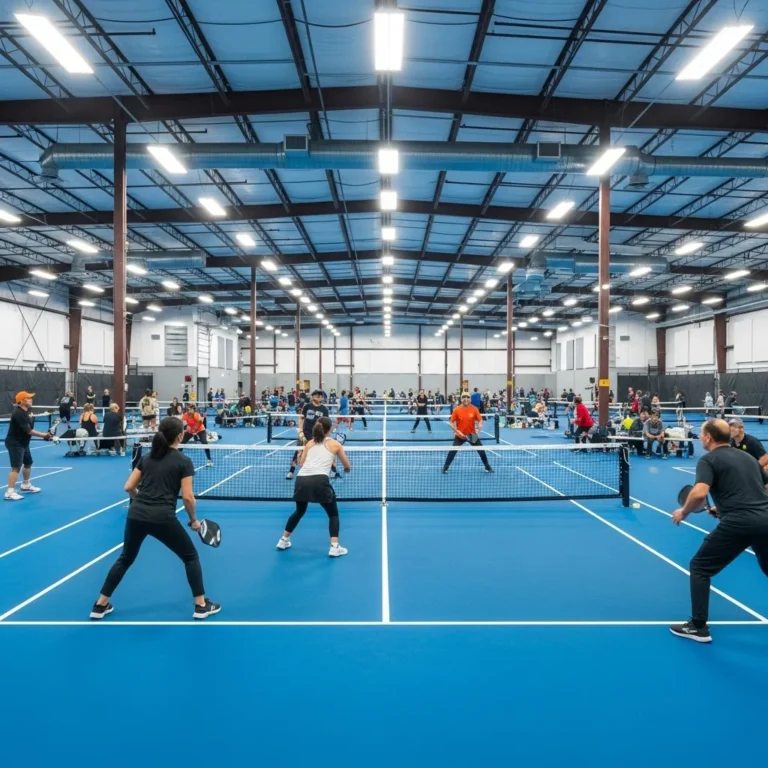
Now, let’s get technical. For the casual observer, a court is a court. But for the enthusiast, the surface, the lighting, and the environment make the difference between a great day and a frustrating one. When you browse houston pickleball center photos, it looks impressive, but photos don’t tell the whole story.
What type of court surface does Houston Pickleball Center use?
This is the most important technical detail. Many indoor “pickleball” venues are just basketball courts with gym floors. Gym floors are slippery, and the ball skips differently than it does on outdoor hard courts.
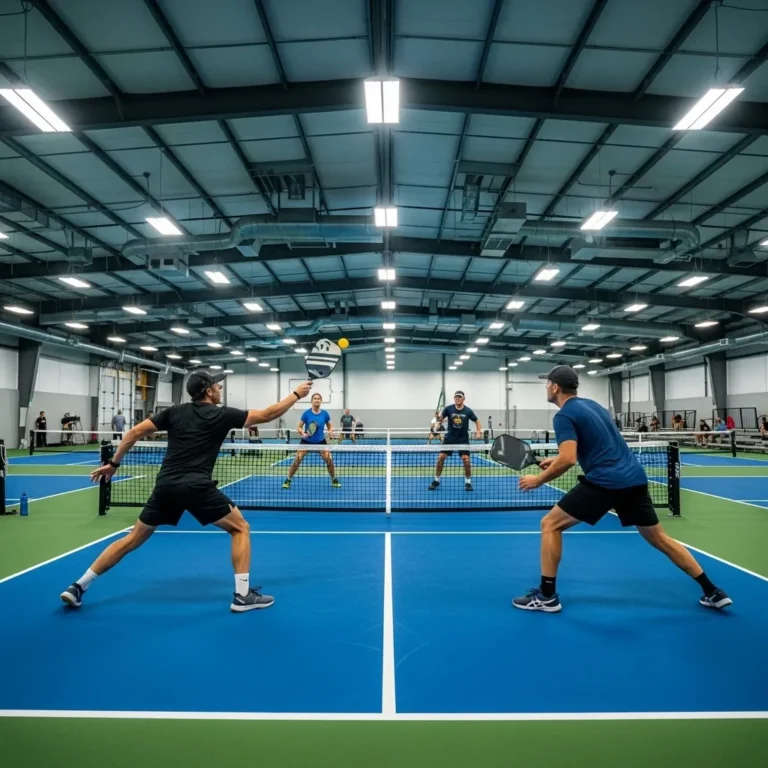
Houston Pickleball Center features professional-grade, outdoor-style surfaces indoors. It is essentially concrete with the proper grit and acrylic coating you would find on a high-end outdoor tournament court. This provides that satisfying “grit” under your shoes—you can stop on a dime without sliding—and ensures the ball bounces true. There is no “dead spots” like you find on wooden floors, and the ball “bites” on spin shots. It is the gold standard for indoor play.
Are there any issues with lighting or ceiling height that players should be aware of?
Indoor play always faces the battle of the ceiling. The ceilings at the center are generally high enough for 95% of points. However, if you are a defensive specialist who relies on “moonball” lobs that go 30 feet into the air, you might need to adjust your game slightly. You are playing in a warehouse environment, so while the clearance is generous, it isn’t infinite like the sky.
Regarding lighting, the facility uses bright LED banking. It is consistent and eliminates shadows on the court. However, some sensitive players note that on very high balls, you can momentarily lose the ball in the light fixtures. This is a common trade-off for having a well-lit facility. It’s vastly superior to the dim, yellow lighting of old school gymnasiums, but it takes a game or two to adjust your tracking.
Is the facility climate-controlled for hot Houston summers?
This is the million-dollar question. In Houston, “indoor” doesn’t always mean “cool.” Some warehouses just have giant fans pushing hot air around.
Fortunately, Houston Pickleball Center is fully climate-controlled. We are talking actual air conditioning. When it is 100 degrees with 90% humidity outside in August, you can play inside in a comfortable, controlled environment. You will still sweat—it’s a workout, after all—but you won’t be battling heatstroke. This factor alone is why the center is busiest during the hottest months of the year and the rainy season. It guarantees your game won’t be weather-dependent.
Does the center have live streaming cameras to watch or record my matches?
We live in a digital age, and everyone wants to see their highlights (or analyze their unforced errors). A unique feature here is the integration of technology. Many courts are equipped with cameras linked to houston pickleball center live streaming services.
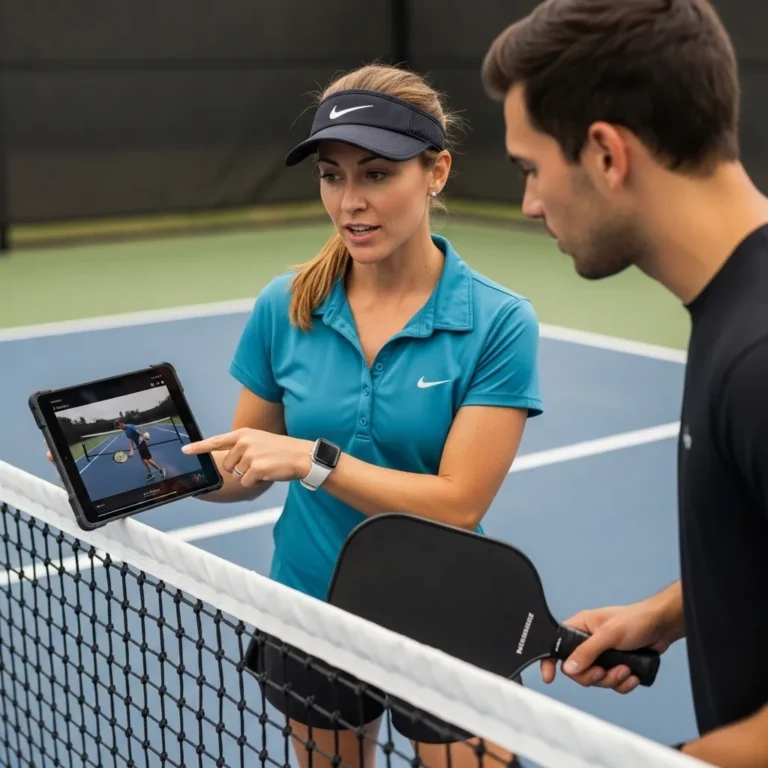
Through platforms often partnered with the facility (like specific court-cam websites or apps), you can sometimes tune in to see how busy the courts are before you drive over, or watch a replay of a match you just played. It is a fantastic tool for improvement. There is nothing quite as humbling—and educational—as watching yourself play on video. You realize your knees aren’t bent as much as you thought, or your backhand form needs work. Ask the front desk for the specific link or app they are currently using to access the feeds.
4. Amenities & Gear
Finally, let’s cover the creature comforts. You are there to play, but you are also human. You need water, you might break a paddle, and you will definitely need a bathroom break.
Does the facility have showers and locker rooms, or just restrooms?
It is important to manage expectations here. Houston Pickleball Center is a sports facility, but it isn’t a luxury health club like a LifeTime Fitness or an Equinox.
You will find clean, well-maintained restrooms. However, full-blown locker rooms with showers, saunas, and towel service are generally not part of the package. Most players arrive in their gear, play, and then head home to shower. There are usually cubbies or areas near the courts to stash your gym bag, keys, and water bottle while you play. It’s a functional, “come as you are” vibe. If you are planning to head straight to a fancy dinner after playing, you might want to plan a stop at home first to freshen up.
Is there a pro shop or demo program if I don’t have my own paddle?
Let’s say you are a total newbie. You have never played, you don’t own a paddle, but you want to try. Or maybe you are an advanced player looking to upgrade your gear but want to feel the paddle before dropping $200.
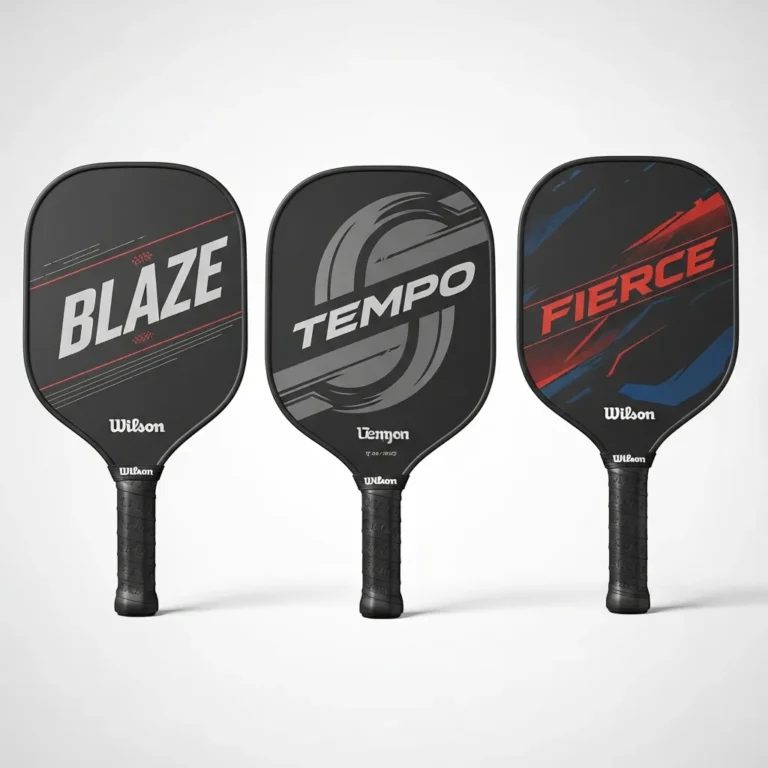
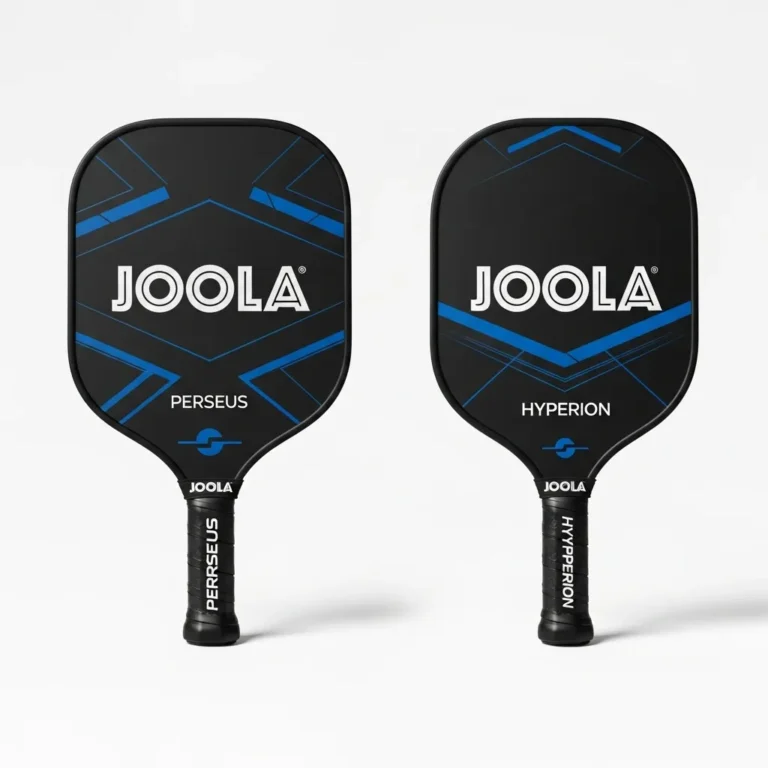
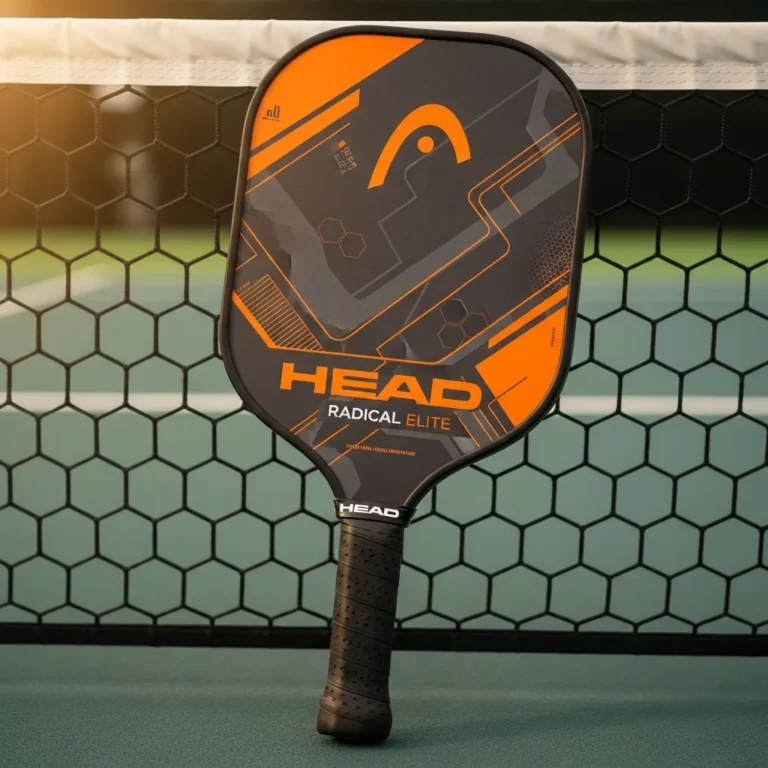
The center typically features a pro shop that is surprisingly well-stocked. They aren’t just selling cheap wooden paddles; they usually carry the major brands that the pros use. Even better, they often have a demo program. For a small fee (or sometimes finding your ID as collateral), you can take a high-end paddle out onto the court for a test drive.
This is invaluable. A paddle feels different in your hand than it does on a website. Being able to hit a few dinks and drives with a demo paddle can save you from buying the wrong gear. And of course, they sell balls, grips, and sometimes apparel if you forgot your socks.
Check out our guide to The Ultimate Joola Pickleball Paddle Buyer’s Guide 2025 OR The Honest Truth: Selkirk Vanguard vs Joola Hyperion
Can I bring my own food and drinks, or is there a concession stand?
Pickleball makes you thirsty. The policy here is generally player-friendly. You are absolutely allowed (and encouraged) to bring your own water bottle. In fact, you should bring a large one. Hydration is key.
As for food and snacks, the facility usually has a concession area or “snack bar” setup offering sports drinks, water, energy bars, and light snacks. It’s not a full-service restaurant—don’t expect a waiter to bring you a burger courtside. It is meant for fuel.
If you have specific dietary needs or want to bring a specific electrolyte mix, you are usually fine to bring it in your gym bag. The goal is to keep you playing, not to police your water bottle. Just be respectful; don’t bring a messy four-course meal to eat on the bleachers.
Houston Pickleball Center Photos
The Final Verdict
So, is the Houston Pickleball Center a place, a community, or a gym? Like “Jeff Davis” in the pickleball world, it depends on how you look at it. To the casual observer, it’s a warehouse with nets. But to the regulars, it is the only place in Houston where the rain can’t touch you, the heat can’t drain you, and you can always find a game, no matter who you are.
Whether you are looking for houston pickleball center live feeds to check the crowd, searching for honest houston pickleball center reviews, or just wanting to browse houston pickleball center photos to get the vibe, the reality is best experienced in person. Grab a paddle (or rent one there), pay the day pass, and trust the bucket system. You might just find your new home away from home.
You May Also Like