Introduction
Have you ever watched a seasoned pickleball player hit a baseline drive that magically dips right at your feet, leaving you swinging at thin air? That is not magic; that is the devastating power of topspin. In modern pickleball, the ability to shape the ball, hit unattackable drops, and keep aggressive drives in bounds separates the amateurs from the pros. If you want to elevate your game and dictate the pace of the match, finding the best pickleball paddle for spin is no longer just an option—it is a necessity.
However, the market is flooded with paddles claiming to offer “extreme grit.” In this comprehensive guide, we will cut through the marketing noise. We will dive deep into the science of surface friction, explore how core thickness impacts your shots, and answer the exact questions players are asking. Let’s find the perfect paddle to unlock your spin potential.
The Science of Spin: How Paddle Materials Make a Difference
Before you invest in a new paddle, you need to understand how spin is actually generated. It is not just about swinging hard; it is about dwell time (how long the ball stays on the paddle face) and surface friction.
Raw Carbon Fiber vs. Painted Grit vs. Fiberglass
- Raw Carbon Fiber (RCF): This is the gold standard for spin. Instead of spraying texture onto the paddle, RCF uses a tightly woven carbon fabric. When the ball compresses against this surface, the microscopic weave grips the plastic, generating massive, consistent topspin. If you are serious about rotation, carbon fiber pickleball paddles are your best investment.
- Fiberglass: Known for pop and power, fiberglass bends slightly upon impact. While it offers decent spin, the surface tends to be smoother than raw carbon, making it harder to generate extreme rotation without flawless technique.
- Painted Grit (Grit Spray): Many budget or mid-tier paddles use a spray-on grit to create texture. While this feels very rough out of the box and provides great initial spin, the grit wears off remarkably fast compared to interwoven carbon.
Why Are Rubber Surfaces Banned?
If you come from table tennis, you might wonder why pickleball paddles don’t use rubber sheets for maximum spin. The answer comes down to game balance. Rubber creates so much friction that it would make the ball bounce unpredictably, effectively ruining the foundational dinking and volleying mechanics of the sport. To maintain the integrity of the game, the USA Pickleball equipment standards strictly prohibit rubber, EVA foam faces, and highly compressible materials. Always ensure you are checking the USA Pickleball approved paddle list before buying.
Top Picks: Exploring the Best Pickleball Paddles for Spin
When we talk about the best pickleball paddles for spin, we must look far beyond a simple rough surface. True spin enthusiasts understand that the ultimate spin paddle is a symphony of face material, weave orientation, and structural integrity. The top-tier paddles in this category utilize multi-directional carbon fiber weaves. This means whether you are brushing up for a topspin drive or slicing down for a wicked backhand cut, the surface friction catches the ball perfectly.
Furthermore, the highest-performing spin paddles utilize thermoformed edges. This manufacturing process injects foam around the perimeter and uses heat to seal the paddle into one continuous unibody piece. Why does this matter for spin? It drastically increases the stability of the paddle head. When you hit a ball off-center with a heavy brushing motion, a standard paddle will twist in your hand, killing the spin and causing a pop-up.
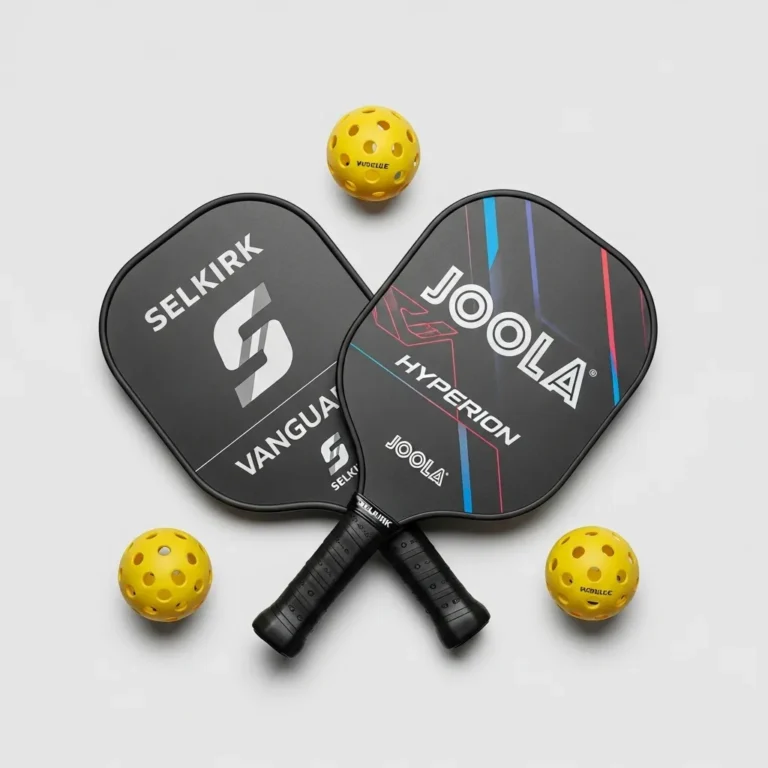
A thermoformed paddle stays incredibly stable, transferring all that rotational energy directly into the ball. Whether you are comparing industry giants like the JOOLA Perseus vs Selkirk LUXX or looking at boutique brands, thermoforming paired with raw Toray carbon fiber is the undeniable recipe for elite-level spin.
Finding the Sweet Spot: Best Pickleball Paddle for Spin and Control
Power is nothing without placement. For many players, especially those transitioning from tennis, the biggest challenge isn’t hitting the ball hard; it is keeping the ball low during dink battles at the non-volley zone (the Kitchen). This is where the quest for the best pickleball paddle for spin and control becomes crucial.
To achieve this delicate balance, you must look closely at the paddle’s core thickness. Paddles generally come in 14mm or 16mm thicknesses. If you crave control, a 16mm polymer honeycomb core is mandatory. The thicker core acts as a shock absorber. When a fast-paced drive comes at you, the 16mm core dampens the energy, giving the ball a longer “dwell time” on the paddle face. This extended fraction of a second is where the magic happens: it allows the carbon fiber surface to grip the ball, enabling you to add a subtle slice or topspin to your block, dropping it softly into the opponent’s Kitchen.
For a tennis player used to the natural dwell time of strings, a stiff 14mm paddle can feel like hitting with a frying pan. A 16mm RCF paddle provides that plush, responsive feel. It allows you to feel the ball compress, giving you the confidence to execute aggressive topspin rolls from below the net. When you combine a thick core with a premium frictional surface, you hold the ultimate weapon for strategic, methodical play.
If you are looking for specific recommendations that master this balance without compromising on grit, several models stand out in the current market. Paddles like the Double Black Diamond by Six Zero (specifically the 16mm version) have set an industry standard for combining a plush control feel with elite RPMs. Similarly, the Vatic Pro 16mm series and the CRBN 1X 16mm utilize top-tier raw Toray carbon fiber to ensure maximum grab on the ball while keeping your drops perfectly calibrated. These models prove that you don’t have to sacrifice touch to get professional-level rotation.
If your game relies on outsmarting rather than overpowering, investing in the best pickleball paddle for control that also features a raw carbon face will instantly elevate your DUPR rating. Ultimately, the best pickleball paddles for spin and control are those that give you the confidence to swing fully through the ball, knowing the spin will bring it safely down inside the baseline.
Unleashing Aggression: Best Pickleball Paddle for Power and Spin
For the aggressive bangers and baseline drivers, a 16mm core might feel a bit too muted. If you want to hit heavy, penetrating drives that push your opponents back, you are looking for the best pickleball paddle for power and spin.
- Core Thickness: Drop down to a 14mm core. The thinner core provides less energy absorption, meaning the ball pops off the face with significantly more velocity.
- Swing Weight and Aerodynamics: Do heavier paddles naturally generate more spin? Not necessarily. Spin is a product of surface friction + swing speed. A paddle with an aerodynamic shape (like an elongated face) and a slightly lower swing weight allows you to snap your wrist faster, generating a more violent brush on the ball.
- Lead Tape: Many pros add lead tape to the throat or bottom corners of their 14mm paddles. This adds plow-through power without sacrificing the fast hand-speed needed to generate extreme topspin.
Player FAQs: Expert Answers on Spin and Performance
Does grit spray wear off significantly faster than interwoven carbon friction surfaces?
Yes, absolutely. Painted grit or spray-on textures sit on top of the paddle face and are slowly chipped away by the hard plastic of the pickleball. Over a few months of active play, the center of the paddle will become smooth, causing you to lose spin exactly where you hit the ball most. Interwoven carbon fiber, however, is the actual structural material of the face. While it eventually wears down, it lasts significantly longer and provides a much more consistent spin profile throughout its lifespan.
What is the best paddle for a tennis player transitioning to the sport?
Tennis players usually have excellent brushing mechanics but struggle with the “pop” of a hard pickleball paddle. The ideal choice is an elongated, 16mm raw carbon fiber paddle. The elongated shape mimics the reach of a tennis racket, the raw carbon rewards their natural topspin mechanics, and the 16mm core helps them control the ball during the transition to the soft game at the net.
How to Clean and Maintain Your Paddle for Maximum Spin
Buying a premium spin paddle is only half the battle; maintaining that grit is essential for consistent performance.
How long does the spin texture typically last?
On a premium raw carbon paddle, the peak spin texture usually lasts for about 3 to 6 months of heavy, competitive play (playing 3-5 times a week). After this period, the carbon fibers begin to smooth out. The paddle won’t become completely “dead,” but you will notice a 10-15% drop in maximum RPMs. Casual players can often get 8-12 months of great spin.
What is the safest way to clean a carbon fiber paddle?
Every time you strike the ball, microscopic plastic dust from the ball gets trapped inside the carbon weave of your paddle. This clogs the texture and kills your spin. Do not use soap, water, or harsh chemicals. The absolute best way to restore your paddle’s grip is by using a Carbon Fiber Cleaning Eraser. Simply rub the rubber block firmly up and down the paddle face after every session. It pulls the plastic dust out of the weave, instantly restoring the frictional surface without damaging the carbon.
Conclusion
Mastering spin is the most effective way to level up your pickleball game. Whether you are dropping a third shot into the Kitchen or firing a dipping passing shot down the line, the right equipment is your best ally. Remember that the best pickleball paddle for spin will feature raw carbon fiber and a stable construction.
Assess your playstyle honestly: if you need help with your soft game, lean towards a thicker 16mm core for ultimate control. If you want to overpower your opponents, a 14mm aero-dynamic shape will give you the heavy topspin drives you desire. For more detailed guidance on making your final decision, check out our comprehensive guide on how to pick a pickleball paddle. Grab your gear, get out on the court, and start making those balls dip!