If you have spent any time on a pickleball court in 2026, you have likely heard the aggressive “thwack” of a ball dipping violently at an opponent’s feet—a signature move of the rpm pickleball paddle. In an era where paddle technology is evolving faster than the rules can keep up, one brand has managed to stay at the center of the conversation by prioritizing a single metric: Revolutions Per Minute. Co-designed by professional standout James Ignatowich, these paddles have transitioned from niche “spin machines” to elite-level performance tools that challenge the dominance of industry giants like Joola and Selkirk.
Choosing the right rpm pickleball paddles requires more than just looking at a price tag; it requires understanding the structural shift from Gen 3 honeycomb to Gen 4 full-foam technology. Whether you are looking for the plush, connected feel of the original series or the explosive, linear power of the newer models, this guide breaks down every technical angle you need to know to stay competitive in the current USAP and UPA-A landscape.
| Model | Core Thickness | Avg. Weight | Swing Weight | Twist Weight | Technology |
|---|---|---|---|---|---|
| Friction Pro V1 | 14mm / 16mm | 7.9 oz | 116 – 118 | 6.15 | Gen 3 Honeycomb + Foam Perimeter |
| Friction Pro V2 | 14mm / 16mm | 7.9 oz | 117 | 6.50 | Axial Carbon Layup (USAP 2026 Compliant) |
| RPM Q2 Series | 14mm / 16mm | 7.8 oz | 107 – 114 | 5.8 – 6.8 | Gen 4 Full-Foam EPP Core |
The Engineering Philosophy: Why “RPM” Isn’t Just Marketing
The core of the rpm pickleball paddle philosophy is built on the physics of ball-pocketing and surface friction. While many brands focus on “raw power,” RPM focuses on “controlled aggression.” By utilizing a CarbonBite surface technology, these paddles achieve spin rates exceeding 2,300 RPM. This isn’t just about making the ball spin; it’s about the “dip” that allows you to swing with 100% power on a 3rd-shot drive and still have the ball land inside the baseline.
The transition from the V1 to the V2 and Q2 models represents a significant engineering shift. The original rpm friction pro pickleball paddle used a Tri-Density Core, which combined a polypropylene honeycomb center with a high-density foam perimeter. This design was intended to eliminate the “dead spots” found at the 3 and 9 o’clock positions of traditional paddles, effectively widening the sweet spot to the very edges of the frame.
rpm pickleball paddle review
In any comprehensive rpm pickleball paddle review, the first thing players notice is the weight distribution. Out of the box, the elongated 16mm models tend to feel slightly head-heavy. This is intentional. The added mass at the top of the paddle provides the leverage needed for “plow-through power” on serves and deep returns. For players transitioning from tennis, this feels incredibly natural, mimicking the balance point of a modern racquet.
Performance on the Court: The 16mm Elongated Experience
The 16mm version of the rpm friction pro pickleball paddle is often described as “buttery.” Because the ball sits on the face for a fraction of a second longer—a concept known as dwell time—you gain immense confidence during resets and dinks. Unlike some stiff gen 4 pickleball paddles that can feel like hitting with a marble slab, the RPM V1 and V2 provide tactile feedback that tells you exactly where you made contact.
- The Spin Factor: The CarbonBite grit is aggressive. During our testing, we found that even after 40 hours of play, the surface maintained enough “bite” to keep topspin drives dipping hard.
- Pop vs. Power: There is a distinct difference between 14mm vs 16mm pickleball paddle performance. The 14mm is a “pop” machine, ideal for fast hands at the kitchen, whereas the 16mm provides the heavy “thud” needed for baseline dominance.
- The Handle: RPM has moved toward a more rectangular handle shape, which many players find superior for indexing the paddle face. It prevents the paddle from rotating in your hand during high-velocity exchanges.
The Q2 Series: A New Era of Full-Foam
If you are looking for the absolute cutting edge, the RPM Q2 is the standout. It utilizes a MultiZone Hybrid Core made of fully molded EPP foam. Unlike traditional honeycomb paddles that can suffer from “core crushing” (where the internal cells collapse over time), the Q2’s foam construction is virtually indestructible. It delivers a serve speed of roughly 61.6 MPH, placing it in the 99th percentile of all paddles tested in 2026. This is the ultimate rpm paddle pickleball enthusiasts should look at if they want Gen 4 power without the hollow, disconnected feel of earlier foam models.
Head-to-Head: rpm pickleball paddle vs. The Challengers
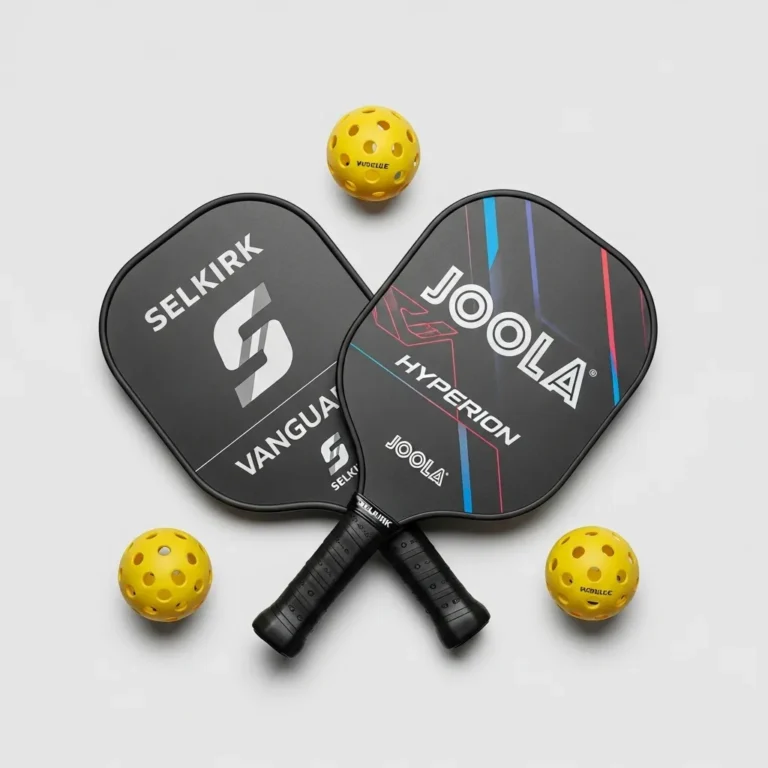
To truly understand where RPM sits in the market, we must compare it to the “Big Two” of the 2026 season. Many players find themselves choosing between the rpm friction pro pickleball paddle and the latest offerings from Joola and Selkirk.
RPM vs. Joola Ben Johns Perseus Pro IV
The joola ben johns perseus pro iv pickleball paddle is often cited as the direct competitor to the RPM V1. While both use a foam-perimeter honeycomb design, the RPM version feels noticeably more plush. The Joola tends to have a stiffer, “crispier” response, which some players prefer for counters. However, the RPM offers a more linear energy return—meaning the ball doesn’t “rocket” off the face unexpectedly at medium speeds. This makes the RPM a safer choice for players who struggle with controlling the “trampoline effect” of modern Gen 3 paddles.
RPM vs. Selkirk Boomstik
The boomstick pickleball paddle is the gold standard for raw power. Compared to the RPM Q2, the Boomstik is stiffer and louder. While the Boomstik might give you 5% more raw exit velocity, the RPM Q2 provides significantly better feedback. Many players report that the Boomstik feels “disconnected,” making it difficult to execute delicate dinks. The RPM Q2, through its MultiZone foam tuning, manages to bridge the gap between “power paddle” and “control paddle” better than almost any other foam-core option on the market.
Regulatory Compliance: The USAP 2026 Shift
A critical “missing angle” in many online reviews is the upcoming 2026 certification change. USA Pickleball (USAP) has introduced a stricter PBCoR (Paddle/Ball Coefficient of Restitution) limit of.43, down from.44. This has massive implications for current owners of rpm pickleball paddles.
The original Friction Pro V1 (16mm Elongated) sits at exactly.44, meaning it will be delisted from the usa pickleball approved paddle list starting in May 2026. If you play in USAP-sanctioned amateur tournaments, you will need to switch to the Friction Pro V2 or the Q2, both of which were engineered to meet the.43 standard. However, if you primarily play in PPA or MLP events governed by the UPA-A, the V1 remains 100% legal. For the official USAP equipment standards, always consult the official USAP equipment standards website before a major tournament.
The Legal Spotlight: Joola vs. RPM
As of April 2026, the pickleball industry is embroiled in a significant legal battle. Joola has filed a complaint with the International Trade Commission (ITC) against 11 brands, including RPM, alleging patent infringement regarding “Propulsion Core” technology—specifically the use of a “U-shaped” EVA foam perimeter. While this case may take 15–19 months to resolve, it has created a supply-chain concern. If Joola prevails, an exclusion order could potentially block the future importation of paddles that use this specific design. This is a primary reason why RPM has diversified into the Q2 series, which uses a different internal architecture to hedge against legal risks.
Optimization: Tuning Your RPM Paddle
While rpm pickleball paddles are high-performance out of the box, many advanced players choose to customize them to compensate for their relatively light static weight (~7.9 oz).
- Adding Stability: Because the twist weight on the elongated models is around 6.1 (which is slightly below average for stability), adding 3 grams of lead tape at the 3 and 9 o’clock positions can drastically reduce paddle twisting on off-center hits.
- Increasing Power: For baseline singles players, placing weight at the 10 and 2 positions (the “Boomstik” setup) increases the swing weight and provides more head-heavy leverage for passing shots.
- Handle Setup: Many 4.5+ players replace the stock grip with a thinner overgrip to better feel the bevels of the rectangular handle, allowing for more precise paddle face orientation during pickleball dink exchanges.
Durability and Maintenance: Keeping the Grit Alive
The most common complaint in any rpm pickleball paddle review is “grit decay.” It is a biological reality of carbon fiber surfaces that the micro-grit will eventually smooth out. However, you can extend the life of your rpm friction pro pickleball paddle by avoiding the use of “paddle erasers” or harsh chemicals. Instead, use a clean microfiber cloth to wipe away plastic ball dust after every session. This dust acts as a lubricant, filling in the microscopic “teeth” of the CarbonBite surface and reducing your spin potential.
Frequently Asked Questions
Is the RPM Friction Pro V1 still legal?
It is legal for all recreational play and UPA-A sanctioned events (PPA/MLP). However, it will be delisted from USAP amateur tournaments in May 2026 due to the new.43 PBCoR limit. The V2 and Q2 models are fully compliant.
What is the difference between the V1 and V2?
The V2 is essentially an “iPhone-style” update. It features an Axial Carbon Layup and a slightly stiffer foam ring, resulting in 5-10% more power and pop while maintaining compliance with the latest 2026 regulations.
Does the RPM paddle come with a cover?
Currently, RPM does not include a paddle cover with most retail purchases. It is recommended to purchase a separate cover to protect the CarbonBite surface from scratches in your bag.
Should I choose the 14mm or 16mm?
Choose the 14mm if you prioritize hand speed and “pop” at the net. Choose the 16mm if you want a softer feel, more control, and more “plow-through” leverage from the baseline.
How does the Q2 feel compared to honeycomb?
The Q2 is unique because it is a foam paddle that doesn’t feel “muffled.” It provides crisp, connected feedback that is very similar to a Gen 3 honeycomb build but with the added durability and sweet spot consistency of Gen 4 foam.
Final Verdict: Is RPM Right for Your Game?
The rpm pickleball paddle is designed for the modern, aggressive player who views spin as their primary weapon. While the $250 price point puts it in the premium category, the performance metrics—specifically the 2,300+ RPM spin rate and the linear energy response—justify the investment for competitive players. By bridging the gap between the “wild west” power of Gen 3 and the high-tech stability of Gen 4, RPM has secured its place as a top-tier brand for the 2026 season and beyond. Whether you are grinding out dinks at a local park or competing for a Golden Ticket, the RPM series offers the technical precision required to dominate the court.