Pickleball Injuries: Why They Happen
While learning the rules is easy, mastering the biomechanics of your movement is essential to playing pain-free for years.
It’s hard to walk past a local park these days without hearing that distinctive pop-pop-pop sound. It’s the rhythm of the fastest-growing sport in America. Welcome to the club! As a coach, I see it every day: the joy of a well-placed dink and the fun of a fast hands battle at the net.
However, getting into the game is easier than mastering it. Because it’s so easy to start—just grab a paddle and go—many new players rush onto the court without understanding the flow of the game. I want you playing this game for years. To do that, we have to talk about playing efficiently. By focusing on proper gear and technique, we can avoid the typical aches and pains that are often categorized as the most common pickleball injuries.
In this guide, we are going to break down how to level up your game while keeping your body comfortable and ready for the next match.
Biomechanics of the Game’s Rhythm: Reducing Impact
Tennis vs. Pickleball: Different Stress on the Body?
This is the classic debate. On paper, the court is smaller, so you cover less ground. However, the smaller court creates a different kind of intensity. Pickleball is a sport of quick reactions.
In tennis, you have time to wind up. In pickleball, the ball comes back fast. This requires quick movements. The challenge here isn’t usually endurance; it’s the start-and-stop nature of the game. Mastering pickleball isn’t just about hitting the ball; it’s about moving through that small space smoothly so you don’t tire yourself out unnecessarily.
Who is Playing the Game?
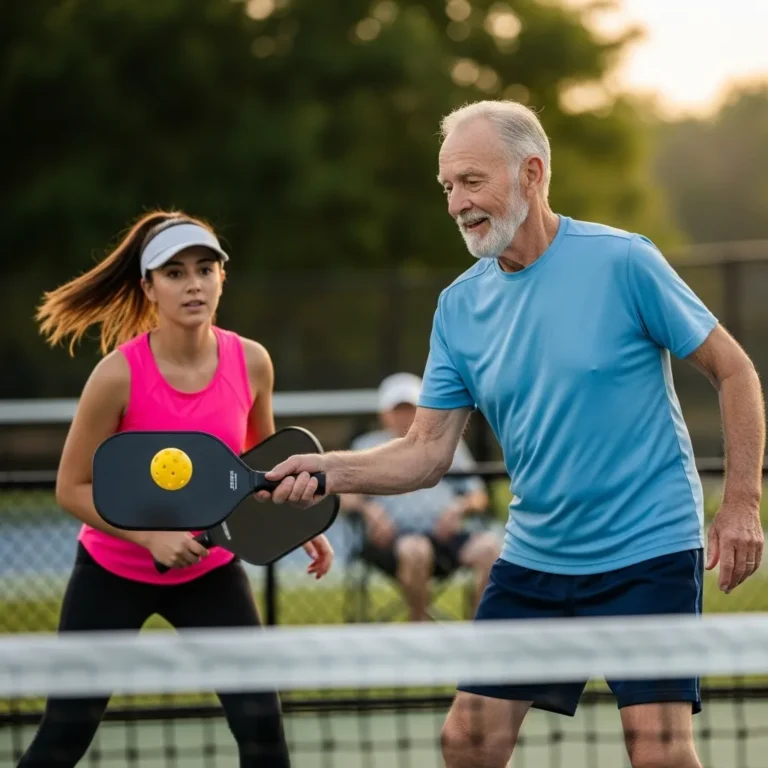
The sport is booming with millions of people picking up a paddle. We see players of all ages, from juniors to seniors. Younger players often bring a “tennis mentality” with lots of power, while experienced players focus on placement. Regardless of age, learning the right mechanics makes the game more fun and helps you stay on the court longer without feeling fatigued.
Ergonomic Gear: Footwear & Paddles for Injury Prevention
If I could suggest one upgrade for every beginner, it would be their shoes. Equipment isn’t just about looking pro; it’s about moving effectively and avoiding unnecessary slips.
The Importance of Footwear
Why Court Shoes are Better than Running Shoes
Running shoes are designed for moving forward. They have thick heels and treads designed to grip pavement. Pickleball, however, is a lateral game. You are shuffling side-to-side often.
Many coaches agree that wearing improper footwear is a leading contributor to what players refer to as the most common pickleball injuries related to ankles and stability. If you wear a running shoe and try to move sideways quickly, it can feel unstable. Court shoes (tennis or pickleball specific) have a flatter, wider sole designed for stability during those side-to-side movements.
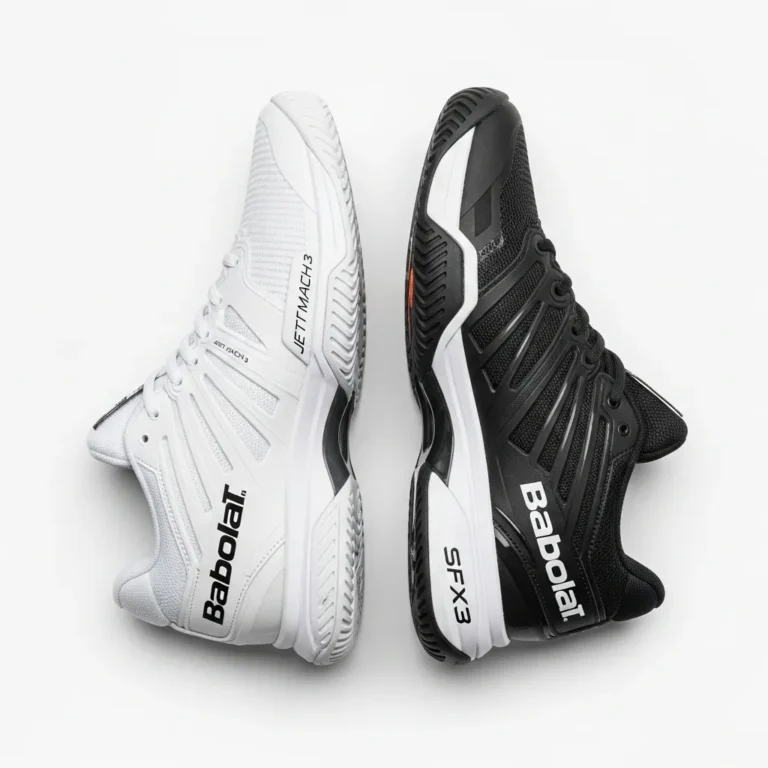
Check out our guide to Best ASICS Pickleball Shoes Compared (2025) or Babolat Pickleball Shoes Review: Jet Mach 3, SFX3, & More
Paddle Weight and Grip Comfort
Sometimes, a sore arm isn’t about how you swing, but what you’re holding. I’ve seen players trying to use paddles that are too heavy for their style. A heavy paddle can make your swing feel slow and tire out your arm muscles.
Grip size is also key. If a grip is too small, you might squeeze it too tight, leading to tension in your forearm. You should be able to hold the paddle loosely and comfortably. If your arm feels stiff after a game, checking your grip size is a good place to start.
Is Protective Eyewear Helpful?
As the game gets faster, eyewear is becoming more common. The ball travels quickly, and deflections happen. Many players find that wearing athletic glasses gives them peace of mind, allowing them to play closer to the net without hesitation. It’s a practical accessory that many pros are adopting.
Check out our guide to How to Choose the Best Pickleball Grips
Safe Movement Mechanics: Protecting Knees and Ankles
Once you have the right gear, looking at how you move can improve your shot quality and comfort.
Posture and Positioning
The “Dinking” Posture
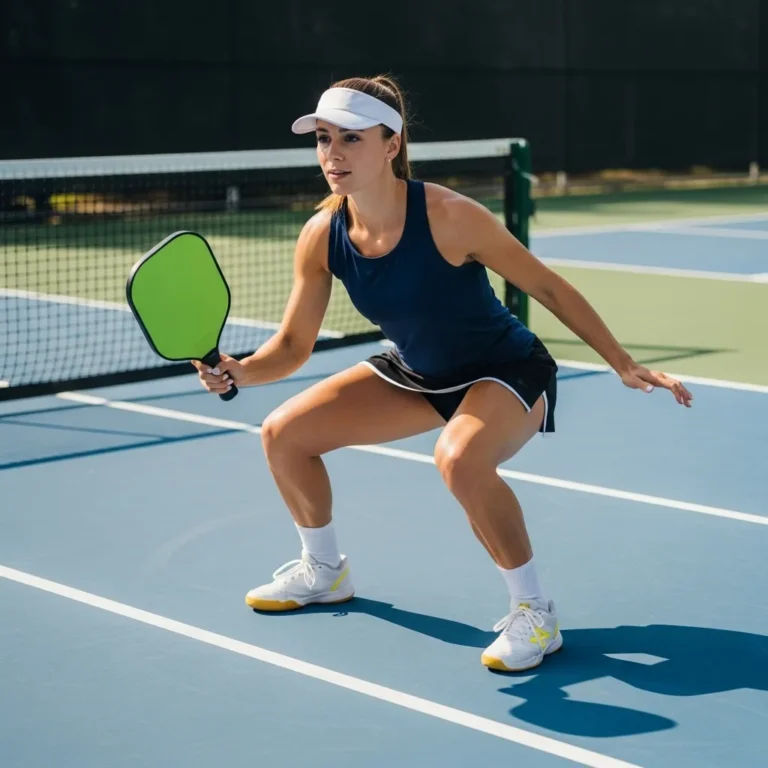
Dinking is the soft game played at the net. A common mistake is bending at the waist to reach the ball. This can leave your lower back feeling stiff. The more efficient form is a squat. Drop your hips, keep your chest up, and use your legs to get low. This posture helps you stay balanced and ready for the next shot.
Moving Backwards Efficiently
Moving backward while facing forward (backpedaling) can be clumsy. It’s easy to lose your footing. A better technique is the “drop step.” This involves turning your hips and running sideways or forwards toward the back of the court. It’s a faster way to get to the ball and helps you maintain your balance much better than shuffling backward.
Surface Awareness
Playing on Hard Surfaces
Most pickleball courts are concrete. This surface is hard. To stay comfortable, focus on being light on your feet. Avoid stomping. Soft, fluid movement helps you play longer sessions without your legs feeling heavy and worn out.
The Kitchen Line Approach
Players often rush to the Non-Volley Zone line and stop abruptly. Learning to approach the line with control rather than “slamming on the brakes” makes your movement smoother and helps you stay balanced for your next shot.
Technique & Physical Comfort
Listening to your body’s feedback is the hallmark of a smart player. Improving your form is the best way to prevent the fatigue associated with the most common pickleball injuries.
Upper Body Mechanics
The Overhead Smash
The overhead smash is a fun shot, but it requires good form. Instead of just using your arm, try to rotate your body. The power should come from your core and hips. This takes the workload off your shoulder and results in a more powerful, consistent shot.
Wrist vs. Arm Swings
I see many players flicking their wrists to hit the ball. This can lead to a tired or sore wrist. Great players use their shoulders and arm to push through the ball, keeping the wrist relatively stable. This technique produces more consistent shots and puts less stress on your hand.
Energy Management
In pickleball, you often go from standing still to moving quickly. This takes energy. When you are feeling very tired, your reaction times slow down. It’s always okay to take a break. Playing when you are fresh is usually when you play your best pickleball.
Preparation & Longevity
Warm-ups for Better Movement
Walking onto the court “cold” isn’t the best way to start. A dynamic warm-up helps you move better from the first point. Simple side shuffles and hip rotations get your body ready for lateral movement. A few minutes of movement before the game can make a big difference in how agile you feel.
Balance and Composure
If you feel off-balance, try to lower your center of gravity. Being aware of your balance helps you stay on your feet and react quicker to the ball.
Rest and Recovery
Enthusiasm is great, but rest is when your body recharges. If you play a lot, make sure to take days off to recover. If you wake up feeling stiff, a recovery day might be exactly what you need to come back stronger.
Recommended Reading
Top Pickleball Gifts 2025:From Stocking Stuffers to Pro Gear
Looking for unique pickleball gifts? We break down practical gear, funny apparel, and budget-friendly ideas to help you surprise the player in your life.
Final Thoughts
Pickleball is a magical sport. By focusing on good mechanics and using the right gear, you ensure that you can enjoy the game to the fullest. Invest in good court shoes, learn to move efficiently, and listen to your body. Play smart, and enjoy the game!
Check out our guide to How to Play Pickleball: A Beginner’s Guide to Rules ,Scoring or pickleball tips: 7 Key Pickleball Mistakes to Avoid
Disclaimer: The information provided in this guide is based on pickleball coaching techniques and equipment advice. It is not intended as medical advice. If you have severe or chronic pain, please consult a healthcare professional.
You May Also Like