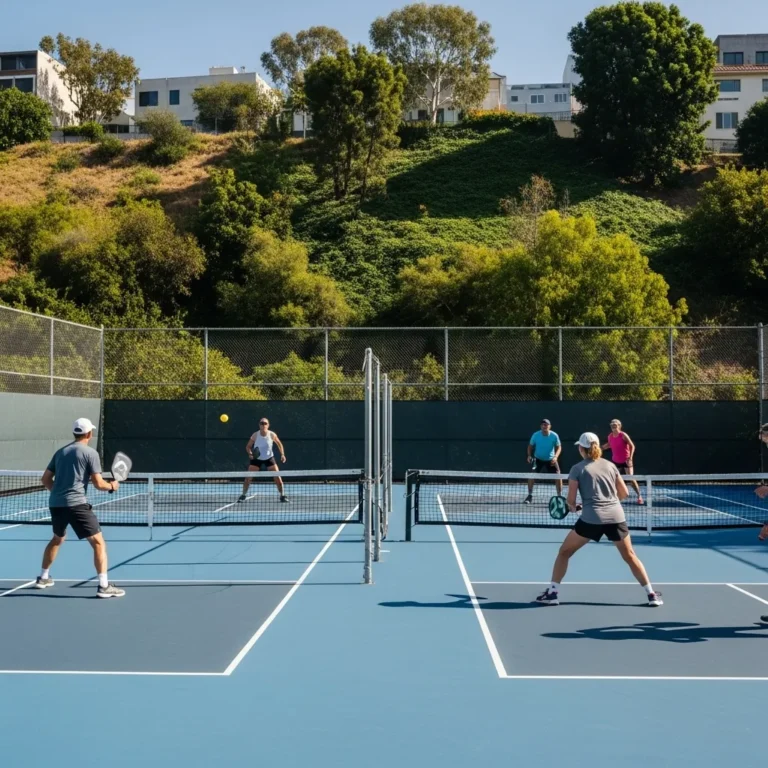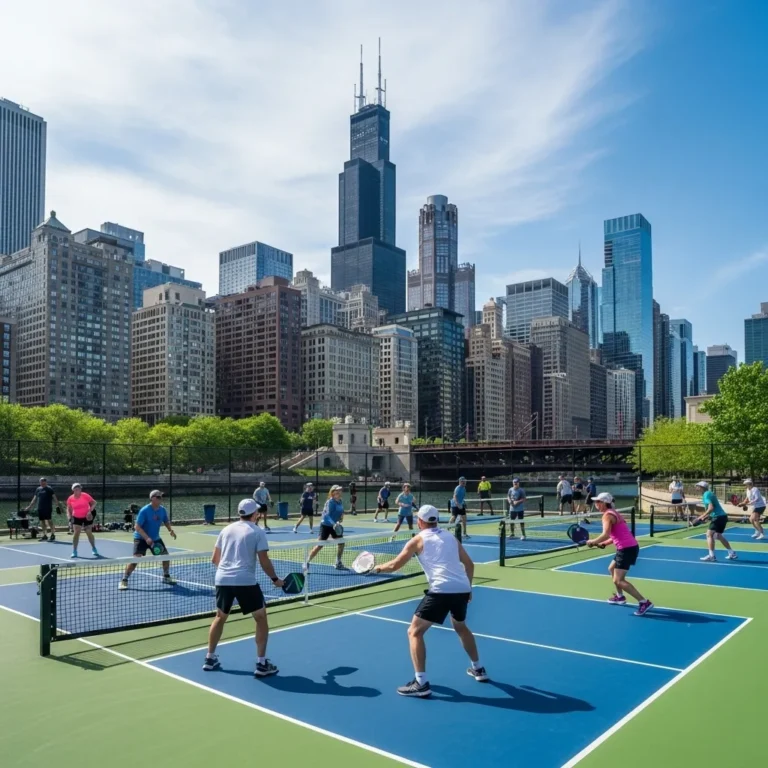
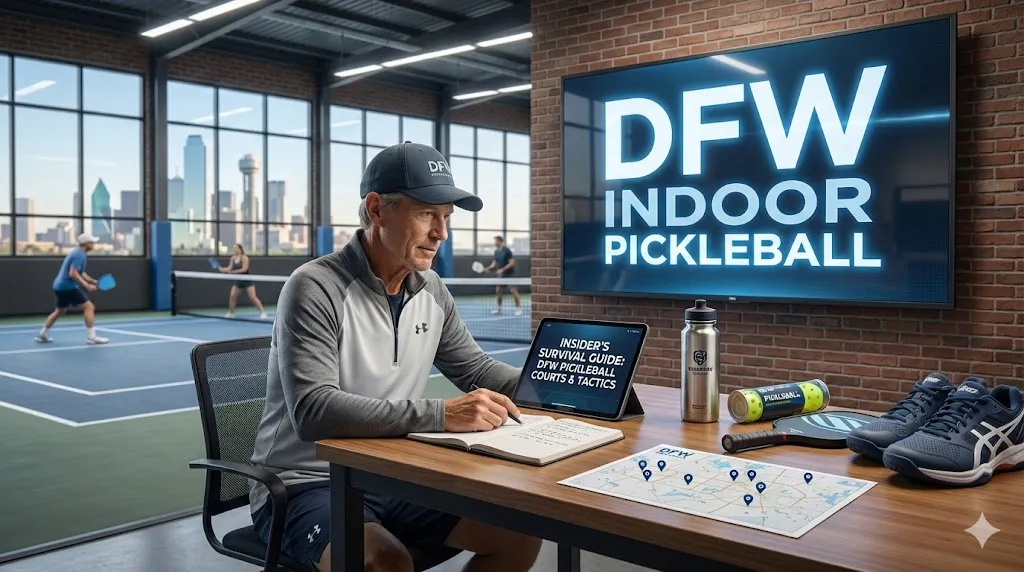
It is mid-August in the Metroplex. The thermometer is pushing 105°F, the humidity is suffocating, and the wind is gusting at 20 mph. For the dedicated pickleball addict, this isn’t just weather; it’s a barrier to entry. If you have ever tried to hit a third-shot drop while battling heat exhaustion or watched your perfectly placed lob get carried away by a sudden gust, you know the struggle is real.
This is exactly why the demand for dfw indoor pickleball has exploded. But here is the brutal truth that most generic “Top 10” lists won’t tell you: not all indoor facilities are created equal. In the rush to capitalize on the sport’s popularity, we have seen everything from pristine, pro-level arenas to hastily converted warehouses with blinding lights and slippery plastic tiles.
If you are looking for the definitive guide to navigating the indoor scene—whether you are a 4.5-rated grinder looking for concrete courts or a solo beginner wondering how “open play” works—this guide covers it all. We are diving deep into court surfaces, lighting glare, membership math, and the unwritten rules of the DFW indoor community.
The “Surface Debate”: Concrete vs. Plastic Tiles
When searching for premium indoor pickleball courts dfw, the very first question you must ask is: “What is under my feet?”
For outdoor players moving indoors, the playing surface is the biggest adjustment. In the Dallas-Fort Worth area, you will generally encounter three types of surfaces, and knowing the difference can save your knees and your game.
1. The Gold Standard: Acrylic-Coated Concrete
Serious players overwhelmingly prefer facilities that bring the outdoor surface indoors. These courts feature a concrete base topped with the same gritty acrylic coating used on outdoor courts. The bounce is consistent, the ball “bites” on spin shots, and the movement feels familiar.
Facilities like Pickleball Kingdom in Plano have set the standard here, offering that “true” bounce that allows for high-level play without the variables of wind or sun. If you are training for a tournament, this is the only surface you should be practicing on.
2. The “Sport Court” (Modular Tiles)
Many converted warehouses use modular plastic tiles snap-locked together. While softer on the joints, these come with a significant downside: the “dead bounce.” The ball often skids faster and bounces lower than it does on concrete. Furthermore, plastic tiles can be slippery if the facility isn’t humidity-controlled, changing the pace of the game dramatically.
3. Converted Gym Floors (Wood)
You will often find these in community centers like the Fretz Tennis & Pickleball Center (which offers both surface types depending on the season/setup). Wood floors are fast and slick. While great for a casual game, the ball skids significantly, making soft games (dinking) much harder to execute with precision.
Lighting & Ceiling Height: The “Glare” Factor
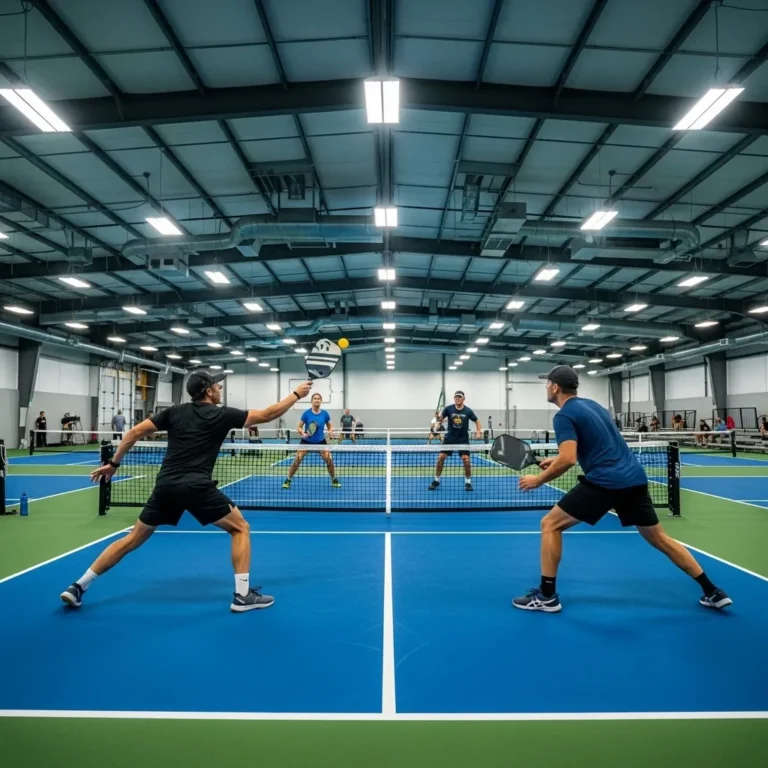
Nothing ruins a rally faster than looking up for an overhead smash and being completely blinded by a low-hanging LED strip. This is a common plague in dfw indoor pickleball venues that were converted from industrial warehouses without consulting players.
The “Lob Blindness” Test:
When evaluating a new court, look at the lighting configuration. The best facilities use indirect lighting—lights that are aimed upwards at a reflective ceiling or positioned between the courts rather than directly over the playing area. This ensures that when you track a high ball, your retinas aren’t burned out.
Ceiling Clearance:
Ideally, you want a minimum clearance of 18 to 20 feet. In tighter warehouse spaces, hitting the trusses is an automatic fault. If you are a defensive player who relies on high lobs to reset the point, low ceilings will neutralize your best weapon immediately.
The “Solo” Player Guide: Open Play & Stacking Rules
One of the most common questions we see on forums is: “I don’t have a partner. Can I just show up?” The beauty of the pickleball community in DFW is that the answer is almost always yes—if you understand the logistics.
The “Stacking” System
Most indoor pickleball dfw venues operate on an “Open Play” model. Here is how it works:
- Paddle Rack: You place your paddle in a linear rack (or “stack”) to mark your place in line.
- 4-On, 4-Off: When a game finishes, the next four people in the rack take the court.
- Winners Stay vs. 4-Off: In busy hours, most clubs enforce “4-off” (everyone leaves the court) to keep the line moving. In quieter times, it might be “winners stay, split partners.”
Tech-Driven Queues
Modern facilities are ditching physical racks for apps. Before you head out, check if the venue uses CourtReserve or assigns games based on your rating. Speaking of ratings, to ensure you are placed in the right competitive bracket (and avoid angry looks from advanced players), it is crucial to have an accurate rating. Many DFW clubs now rely on the DUPR rating system to organize their open plays, ensuring 3.0s play with 3.0s and 4.5s battle it out on separate courts.
Venue Breakdown: Vibe Check & Visuals
DFW is massive, and the “vibe” of indoor courts varies wildly. We can categorize them into three main buckets to help you decide where to book.
1. The “Serious Grinder” (Training Focused)
These venues (think The Picklr or Pickleball Kingdom) prioritize the sport over the social scene. You won’t find loud music or greasy bar food here. You will find permanent nets, fences between courts (so balls don’t roll into your game), and serious leagues.
2. The “Social & Sips” (Entertainment Focused)
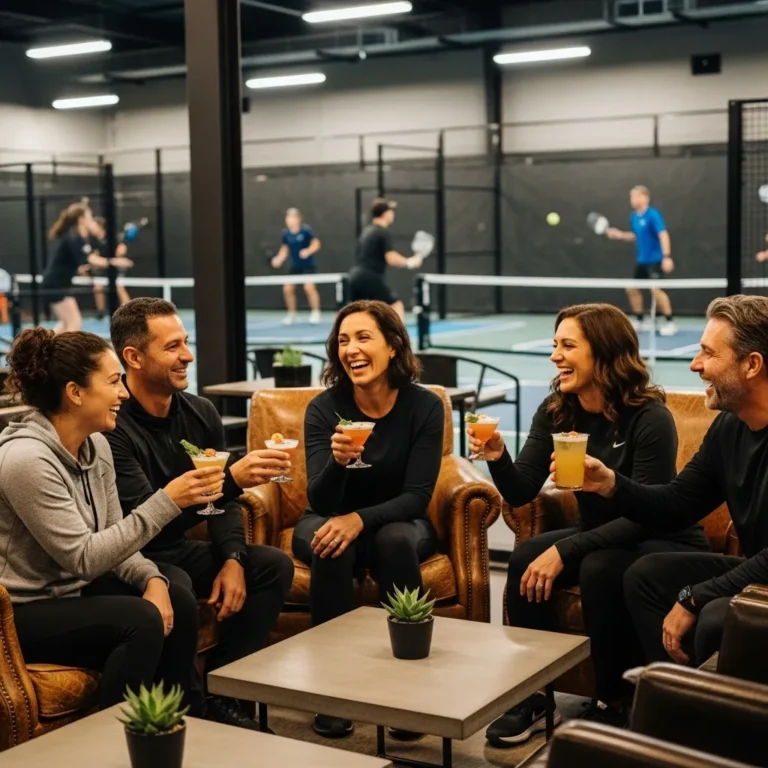
Places like Chicken N Pickle (with locations in Grand Prairie and Grapevine) are perfect for date nights or corporate events. The pickleball is fun, but it’s equal parts about the fried chicken and the beer. Expect noise, music, and a lot of beginners.
3. The Hidden Gems
Look for smaller, locally-owned spots in the suburbs (Colleyville, Keller, Plano) that offer 24/7 keycard access. These are gold for the 5:00 AM crew.
DFW Indoor Pickleball Photos
Want to see what the vibe looks like before you drive out? Social media gives us the best peek into the current court conditions and crowd energy.
The Cost Analysis: Membership vs. Drop-In
Is a membership worth it? The economics of dfw indoor pickleball reviews often center on this math.
- Drop-In Rates: Expect to pay anywhere from $15 to $35 for a single session of Open Play (usually 2-3 hours).
- Memberships: Monthly dues range from $80 to $150.
- The Breakeven Point: Generally, if you play more than once a week (4+ times a month), a membership saves you money.
Pro Tip: Check if your facility accepts HSA/FSA cards. While rare, some training-focused memberships can occasionally be classified under health and fitness expenditures depending on your provider.
Niche Logistics: Balls, Shoes & Gear
Playing indoors requires a slight shift in your gear bag.
The Ball Confusion
Here is a common misconception: “I’m playing indoors, so I need indoor balls.” False. Most high-end DFW indoor facilities with concrete surfaces actually use outdoor balls (like the Franklin X-40 or Dura Fast 40). Soft “indoor balls” are typically reserved for gym floors. Understanding the difference between indoor and outdoor balls is vital so you don’t show up with the wrong equipment.
Footwear Safety
We cannot stress this enough: Do not wear running shoes. The lateral movement in pickleball (side-to-side shuffling) is a recipe for rolled ankles if you are wearing shoes with a high heel stack designed for forward motion. You need dedicated court shoes with lateral stability. We highly recommend investing in proper Nike court shoes or similar brands designed specifically for hard courts.
Paddle Testing
Indoor acoustics can make pickleball loud. Some paddles are louder than others. If you are shopping for a new weapon, many indoor clubs have pro shops where you can demo the top-rated pickleball paddles before you buy. This is a huge advantage over buying online blindly.
Frequently Asked Questions (FAQs)
Based on our deep dive into local forums, here are the answers to the most pressing questions players are asking.
Do I need a partner to play at indoor facilities?
Generally, no. If the schedule says “Open Play,” you can show up solo and rotate in. If the schedule says “Court Reservation,” you need to bring your own group.
Are the courts usually concrete or plastic tile?
It varies by venue. Dedicated franchises like Pickleball Kingdom and The Picklr typically use acrylic-coated concrete. Multi-sport complexes and converted warehouses often use modular plastic tiles.
What is the cancellation policy?
This is strict in DFW due to high demand. Most venues require 24-hour notice for a full refund on court reservations. Open Play spots usually have a tighter window, sometimes allowing cancellation up to 2-4 hours prior.
Can I bring my own food and drinks?
Water and sports drinks are always allowed. However, venues with a liquor license or kitchen (like Chicken N Pickle) usually prohibit outside food. Pure fitness venues are more lenient with protein bars and snacks.
Conclusion: Finding Your Home Court
Finding the perfect dfw indoor pickleball home comes down to your priorities. Are you chasing a higher DUPR rating? Go for the concrete courts and permanent nets. Are you looking for a Friday night hangout? Look for the kitchens and taps.
Quick Selection Checklist:
- Surface: Concrete (Pro) vs. Tile (Casual).
- Ceilings: 20ft+ clearance for lobs.
- Solo Friendly: Look for “Open Play” on the schedule.
- Climate Control: Ensure the AC can handle Texas Augusts.
For a complete list of verified locations, you can always check the official USA Pickleball places to play database. But for the real insider experience, get out there, stack your paddle, and stay out of the kitchen!
Find a Court Near You
Use the map below to scout locations across the Dallas-Fort Worth Metroplex.