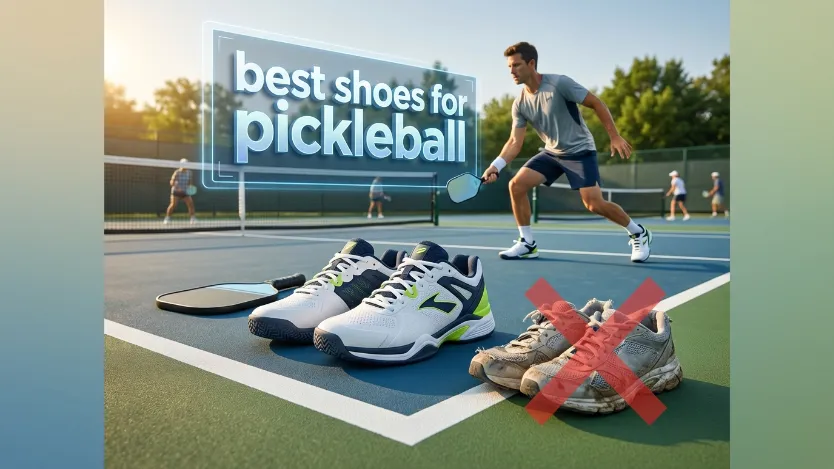
Pickleball is no longer just a casual backyard pastime; it is a fast-paced, highly competitive sport demanding explosive agility, split-second decision-making, and relentless lateral movement. As the sport’s popularity explodes across the United States, guided by organizations like USA Pickleball, players are quickly discovering a painful truth: your standard running shoes are a massive liability on the court. Running shoes are engineered strictly for forward, linear motion, leaving your ankles dangerously exposed during sharp side-to-side pivots.
If you want to protect your joints, improve your court coverage, and elevate your game, finding the best shoes for pickleball is not a luxury—it is a biomechanical necessity. Unfortunately, mainstream guides often focus entirely on aesthetics or generic “comfort,” ignoring the deep, technical questions players are actually asking. This comprehensive guide dives into the structural engineering of court footwear, analyzing kinesthetics, surface dynamics, and the hidden market gaps—from anatomical toe boxes to DIY mesh repairs—to help you find the ultimate footwear for your game.
The Biomechanical Foundations of the Best Shoes for Pickleball
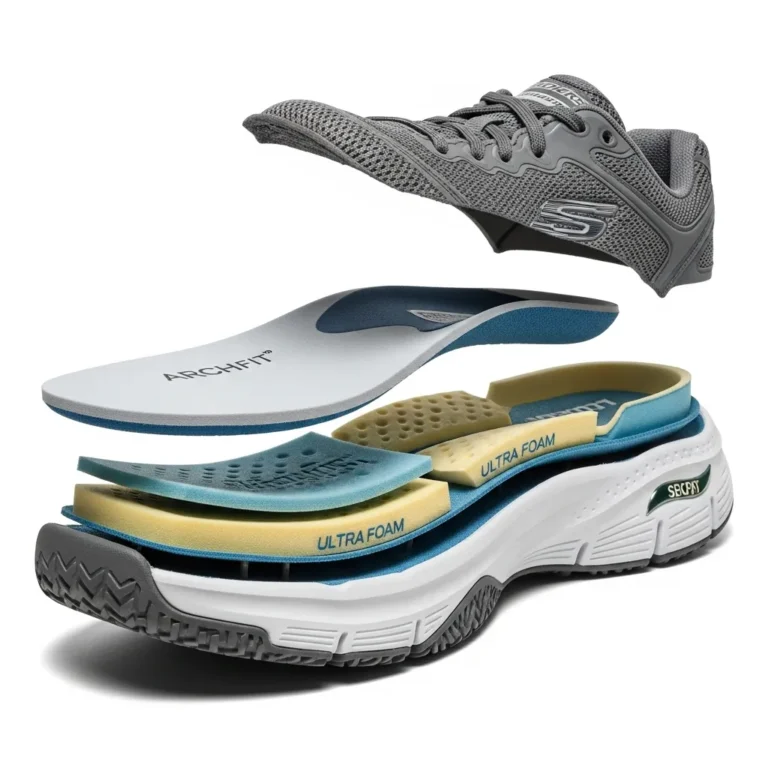
To understand why pickleball demands specialized footwear, you must look at the anatomy of a court shoe. A proper pickleball shoe acts as protective gear, utilizing specific structural traits designed to keep your foot locked in place while combating the harsh friction of hard courts.When shopping for the best pickleball shoes for men or women, you must ensure the shoe contains these five non-negotiable components:
- Sturdy Upper: The upper material must balance breathability with absolute lateral rigidity. When you plant your foot to reach for a wide dink, the upper prevents your foot from sliding over the edge of the sole.
- Heel Counter (Heel Claw): This rigid plastic insert at the back of the shoe locks your heel into the footbed. It prevents vertical slipping and side-to-side shifting during aggressive multi-directional pivots.
- Mid-foot Shank: A critical piece of hard plastic (or carbon fiber in premium models) bridging the arch. The shank provides absolute torsional rigidity, preventing the shoe from twisting in the middle and ensuring it only flexes naturally at the ball of the foot.
- High-Density Midsole: Unlike the plush, compressible EVA foam in running shoes, court shoes use denser foams (like TPU or specialized EVA). This lowers your center of gravity, provides a responsive “court feel,” and prevents ankle rollovers.
- Abrasion-Resistant Outsole: Formulated with heavy-duty rubber compounds and modified herringbone treads to grip acrylic surfaces and withstand the intense friction of toe-dragging.
Ignoring these components and opting for cross-trainers is the leading cause of avoidable pickleball injuries, including severe ankle sprains, torn calf muscles, and Achilles tendonitis.
Kinematic Variance: Pickleball Shoes vs. Tennis Shoes
The sports industry often lumps tennis and pickleball shoes together, and while they share DNA, the biomechanical stress patterns are distinctly different. Tennis involves long sprints across the baseline, aggressive sliding, and heavy heel strikes. Pickleball, conversely, is heavily concentrated at the non-volley zone (the kitchen line).
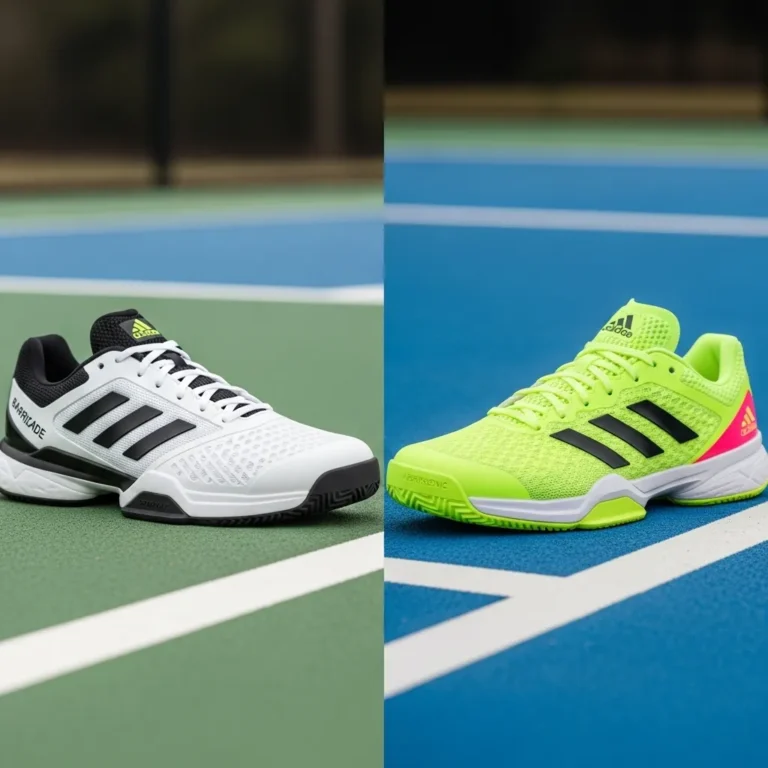
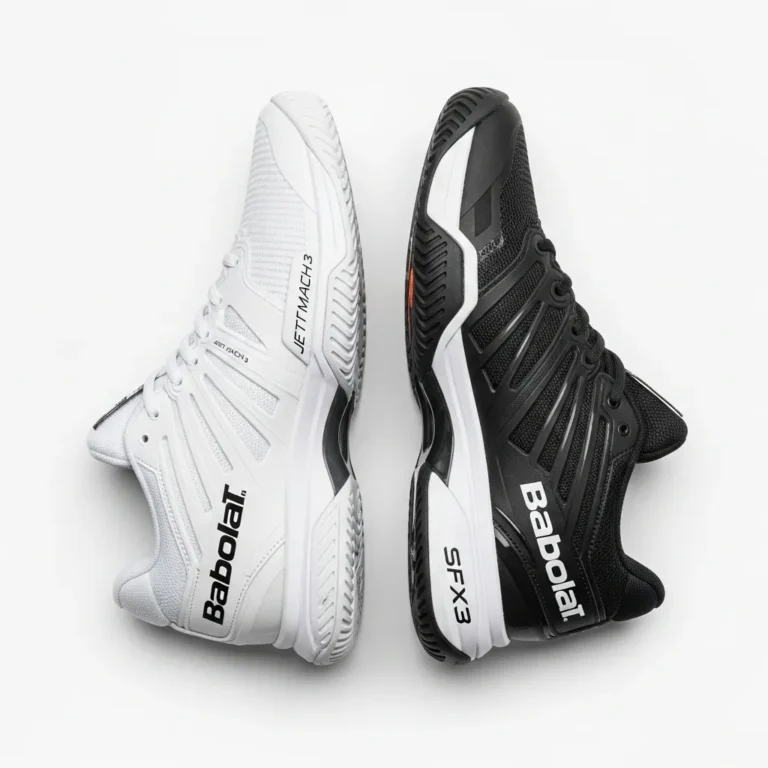
Pickleball movements consist of micro-adjustments, rapid split-steps, and constant lateral shuffling. Therefore, while heavy, ultra-durable tennis shoes (like the legendary Adidas Barricade) work well, many pickleball players find them too clunky. The ideal pickleball shoe requires slightly less bulk and a lower profile to maximize reaction speed. Brands like Diadem with the Court Burst and Babolat with the Jet Mach III (weighing an incredibly light 12.1 oz) are engineering shoes specifically for this hyper-agile, kitchen-line warfare.
Surface Dynamics: Outdoor Hard Courts vs. Indoor Wood Floors
One of the most frequent mistakes players make is wearing the wrong outsole rubber for their specific playing surface. Matching your shoe to the court is vital for both performance and safety.
Outdoor Hard Courts (Acrylic/Asphalt)
Outdoor courts are essentially painted sandpaper. They require outsoles made of dense, highly durable rubber compounds. A modified herringbone tread pattern is standard, allowing the shoe to grip through light dust and debris without catching too aggressively. If you wear indoor shoes outside, the abrasive surface will chew through the soft rubber in a matter of weeks.
Indoor Gym Floors (Wood/Synthetic)
Indoor hardwood or synthetic gym floors are slick and unforgiving. They require shoes equipped with “gum rubber” outsoles. This softer, tackier rubber compound provides a suction-like grip on smooth surfaces. Wearing a hard outdoor shoe on an indoor court is incredibly dangerous; a single drop of sweat can turn the hard rubber into an ice skate, leading to catastrophic knee torque and slipping.
Answering the Deep U.S. Consumer Questions (Market Gaps)
Mainstream retail guides often fail to address the highly specific, nuanced problems that regular players discuss in deep forum threads. Here are the real solutions to the most pressing footwear gaps in the U.S. market.
The “Brooks” Dilemma: Finding Plush Cushioning with Lateral Support
A massive segment of older and recreational players enter pickleball accustomed to the ultra-plush, cloud-like ride of premium running shoes like the Brooks Ghost, Brooks Adrenaline GTS, or Hoka Clifton. When they switch to traditional, stiff court shoes, they experience immediate joint pain and foot fatigue. They constantly ask: “Which court shoe feels like a Brooks running shoe?”
Engineers face a paradox here: too much squishy foam leads to ankle rolls. However, modern brands are bridging this gap by using dual-density midsoles and energy-returning plastics. The Asics Gel-Resolution 9 is widely praised for offering exceptional shock absorption combined with a rigid “Dynawall” side piece that catches the foot during lateral cuts. Similarly, the Diadem Court Burst utilizes an ETPU foam (Rebound X) that mimics the bounce of high-end running shoes while maintaining the structural integrity required for court play. For players refusing to give up their Brooks-level comfort, the consensus is to buy a stable court shoe and insert an aftermarket orthotic like Superfeet or Powerstep.
The Outsole Durability Crisis & The Basketball Shoe Crossover
Due to the abrasive nature of outdoor courts and constant toe-dragging, many heavy players burn through $150 premium pickleball shoes in just 2 to 3 months. Frustrated by the financial drain, a massive underground trend has emerged: wearing outdoor basketball shoes for pickleball.
Models like the Nike GT Cut Academy, New Balance TWO WXY, and Way of Wade lines are built to withstand the force of 250-pound athletes jumping and cutting on concrete. They offer phenomenal ankle support and thick, durable outsoles. However, this crossover comes with biomechanical trade-offs. Basketball shoes are significantly heavier, and their high stack height (distance from the ground) reduces court feel. Furthermore, the traction can sometimes be too sticky for acrylic courts, preventing micro-slides and sending harsh torque directly to the knee ligaments.
The Better Solution: Instead of basketball shoes, savvy U.S. consumers should exclusively hunt for pickleball shoes that offer a 6-month outsole durability guarantee. Brands like Skechers (Viper Court Pro), Mizuno (Wave Enforce Tour), and select K-Swiss models will replace your shoes for free if you burn through the rubber within half a year, effectively cutting your footwear budget in half.
Anatomical Fit: Wide Toe Boxes, Bunions, and Morton’s Toe
Traditional tennis shoes (especially European brands) are notoriously narrow and aerodynamic, tapering aggressively at the toes. For players with wide feet, bunions, hammertoes, or a “Greek Foot” (Morton’s Toe, where the second toe is longer than the big toe), this causes severe blistering, black toenails, and metatarsal pain.
While many shoes claim to be “Wide” (2E), they often just increase the overall volume loosely rather than altering the actual toe box shape. True anatomical width is rare. If you require a high and wide toe box to let your toes naturally splay, consider:
- FrankWorks The One: A heavily cushioned court shoe built specifically with an anatomical, wide toe box designed to prevent pinky toe jamming.
- K-Swiss Hypercourt Express 2 (2E): Renowned for accommodating wider forefeet right out of the box while maintaining a snug heel lock.
- Skechers Viper Court: Available in extra-wide sizes (up to 4E), making them a savior for players suffering from painful bunions.
For the ultimate anatomical fit, the barefoot movement has entered pickleball. Shoes like the Xero 360 and Peluva offer a “zero-drop” platform with an incredibly wide toe box. By keeping the foot entirely flat to the ground, the risk of rolling an ankle over a thick foam midsole is practically eliminated. However, players must transition to zero-drop shoes very slowly, as the Achilles tendon needs time to adapt to the lack of heel elevation.
Maintenance, DIY Repairs, and Resoling in the US
Pickleball involves aggressive lunges where the trailing foot drags across the gritty court. This “toe drag” easily rips holes through the breathable upper mesh long before the rubber sole wears out.
Instead of throwing away slightly used shoes, the U.S. pickleball community has adopted clever DIY hacks. Applying high-strength urethane adhesives like Shoe Goo or baseball-grade Tuff Toe directly over the high-wear mesh areas creates an impenetrable armor. For internal wear (where the big toe points upward and rips the fabric from the inside), players use iron-on Kevlar patches like Trainer Armour.
As for resoling, modern womens pickleball shoes and men’s court shoes are cemented (glued) rather than stitched, making traditional resoling incredibly difficult. However, specialized mail-in cobbler services in the US, such as Cobblers Direct and EZ Shoe Repair, are utilizing techniques borrowed from rock-climbing shoe repair to patch outsoles and extend the life of premium footwear.
Conclusion: Demand More From Your Gear
The days of stepping onto the pickleball court in your everyday running sneakers are over. A high-quality pickleball shoe is a vital piece of protective equipment engineered to support the aggressive lateral kinematics and sheer friction that the sport demands. Whether you prioritize the plush energy return of the Diadem Court Burst, the tank-like durability of the Mizuno Wave Enforce Tour, or the anatomical freedom of a zero-drop Xero shoe, your footwear dictates your longevity in the game.
As the U.S. market matures, consumers must demand greater engineering transparency from brands. Look past the flashy colors and focus on biomechanical support, true anatomical width availability, and robust durability guarantees. Protect your feet, trust your traction, and your game will inevitably follow.
Frequently Asked Questions
Can I just wear my running shoes for pickleball?
No. Running shoes are designed strictly for linear, forward movement and feature thick, soft midsoles. Pickleball requires constant lateral (side-to-side) movement. Wearing running shoes drastically increases your risk of rolling an ankle or straining knee ligaments due to the lack of lateral support and high center of gravity.
What are the best shoes to wear for pickleball if I have wide feet or bunions?
If you suffer from foot ailments like bunions or Morton’s toe, avoid traditional, narrow tennis shoes. Look for brands that offer true anatomical toe boxes or dedicated wide (2E/4E) models. The Skechers Viper Court (available in Extra Wide), the K-Swiss Hypercourt Express 2, and the FrankWorks The One are highly recommended for giving your toes the room they need to splay naturally.
Why do my shoes wear out so fast, and how can I fix it?
Outdoor hard courts are painted with an abrasive aggregate that acts like sandpaper. Most players burn through the rubber under the big toe in 3 to 4 months. To save money, look for shoes that explicitly offer a 6-month outsole durability guarantee. If you are tearing through the top mesh from toe-dragging, try applying a layer of Shoe Goo or using protective carbon fiber patches like CourtArmor over the high-wear zones.
How do I stop my indoor court shoes from squeaking on the gym floor?
Squeaking is usually caused by trapped moisture or the friction of a brand new “gum rubber” sole gripping the polished wood floor. To minimize it, ensure your shoes are completely dry between sessions by using cedar shoe trees or moisture-absorbing inserts. If the squeak is coming from inside the shoe (friction between the insole and the footbed), sprinkle a small amount of baby powder beneath the removable insole.