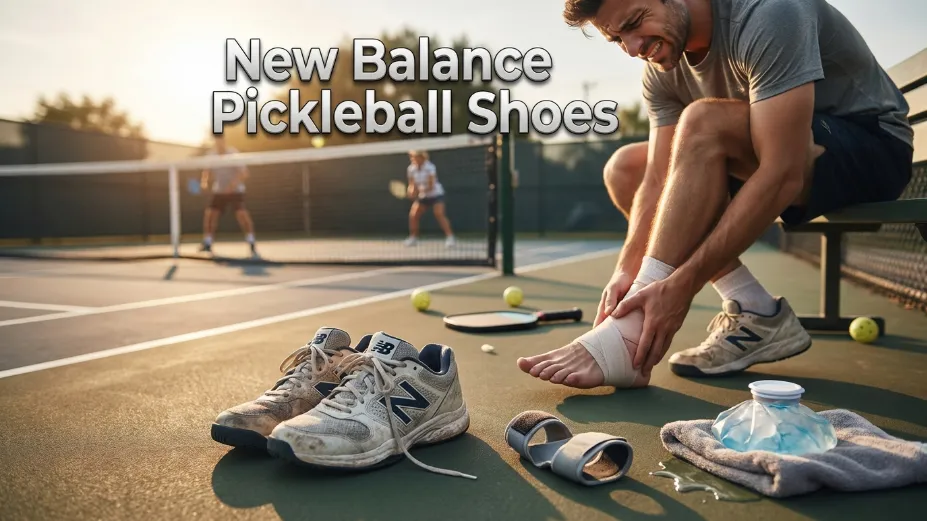
Blistering lateral cuts, sudden kitchen-line dinks, and concrete courts that chew through rubber soles in weeks—pickleball is notoriously unforgiving on your footwear. Running shoes will roll your ankle, and generic sneakers will leave you sliding out of bounds. To dominate the court, you need traction engineered specifically for court dynamics, which is exactly why new balance pickleball shoes have quietly captured the competitive circuit. Whether you are chasing the explosive speed of the upgraded 996v5 or seeking maximum arch support for long tournament days, finding the right pair is the difference between a podium finish and a trip to the podiatrist.
New Balance Pickleball Shoes
Cushioning · Outsole · Key Advantage · MSRP (USD)
Sizing Secrets: Mastering the Width of new balance pickleball shoes women and new balance pickleball shoes women’s
For female players, finding a shoe that accommodates both the narrow anatomical structure of the heel and the natural splay of the forefoot during lateral thrusts is a constant struggle. This is where the engineering of the new balance pickleball shoes women and new balance pickleball shoes women’s catalog stands apart from the competition. Standard athletic sneakers are often built on a uniform last that fails to account for the female-specific Q-angle (the angle at which the femur meets the tibia), which increases lateral shearing forces on the foot during shifty kitchen-line dinks.
New Balance resolves this anatomical challenge by constructing their court line with an engineered heel-to-forefoot ratio that locks down the rearfoot while offering generous width options. If you struggle with heel slippage or painful friction on your pinky toes, transitioning to dedicated women’s pickleball shoes built with a supportive synthetic upper is crucial. Unlike standard running footwear, these models feature sculpted heel collars and low-cut ankle heights to facilitate rapid, multidirectional changes without restricting natural joint mobility.
- Standard B Width vs. Wide D Sizing: Most female players requiring a spacious toe box are forced to size up in other brands, leading to sloppy foot placement and blisters. New Balance offers their premium models in true Wide (D) options, accommodating forefoot expansion without sacrificing the locked-in feel of the heel.
- Comparing the Ride: When placed next to K-Swiss pickleball shoes, which are historically known for their roomy, boxy forefoot, New Balance women’s models provide a much more streamlined, contour-hugging fit that feels like an extension of the foot rather than a heavy boot.
- Durability and Cushioning: The incorporation of Fresh Foam X in models like the CT-Rally v2 offers a plush, protective underfoot barrier that dampens 20% more impact than standard EVA midsoles, saving knees and lower backs from the harsh, repetitive pounding of concrete courts.
Harnessing Lateral Power: Why Aggressive Cutters Choose new balance pickleball shoes for men
Aggressive lateral movement is the foundation of high-level singles and doubles pickleball. When lunging for a wide ball or recovering from a deep baseline drive, a male player places up to three times his body weight on the lateral edge of his footwear. This extreme mechanical stress is why generic athletic sneakers shred within weeks, and why choosing the best pickleball shoes for men is an absolute necessity for competitive longevity.
The entire lineup of new balance pickleball shoes for men is engineered with reinforced TPU outriggers and raised midsole toplines. These structural additions prevent the foot from rolling over the edge of the sole during hard-biting, lateral stops. For players with wider feet, the availability of Standard D, Wide 2E, and Extra-Wide 4E widths ensures that every player can achieve a perfect anatomical lockdown without restricting blood circulation during long, multi-hour tournament sessions.
To maximize court performance and prevent debilitating injuries, investing in the best shoes for pickleball is far more important than upgrading your paddle. The male-specific lasts used by New Balance incorporate a denser rubber compound at the medial forefoot—a high-friction zone where players typically drag their toes when executing open-stance forehands or deep lunges. This targeted reinforcement ensures that the shoe retains its structural integrity, even when subjected to the abrasive surface of modern outdoor acrylic courts.
Analyzing the new balance pickleball shoes 996v5: The Ultimate Lightweight Speed Weapon
For speed-oriented players who rely on quick reflexes and rapid footwork, the new balance pickleball shoes 996v5 represent the pinnacle of lightweight court performance. Weighing in at a shifty 11.9 ounces for a men’s US size 9, this model is a full ounce lighter than the average court shoe, making it incredibly easy to stay shifty and responsive during intense hand battles at the kitchen line. Rather than loading the shoe with heavy, bulky stability plastic, New Balance utilizes a low-to-the-ground profile that keeps your center of gravity highly stabilized.
At the core of the 996v5 is a full-length FuelCell foam midsole. Known for its explosive energy return in running models, this nitrogen-infused foam is formulated to be denser and more responsive for racket sports. While players seeking a pillowy, ultra-plush ride might find it slightly firm underfoot, those who prioritize court feel and instantaneous acceleration will appreciate the shifty, low-impact responsiveness of this setup.
- The “Chicken Foot” Torsion Shank: The 996v5 features New Balance’s iconic three-pronged internal TPU shank. This system provides a massive 44.9N of bending stiffness—roughly 25% stiffer than the average court shoe—which stabilizes the midfoot and snap-backs to propel the foot forward during split steps.
- NDure Upper Protection: The lightweight mesh upper is reinforced with rubberized polyurethane overlays in high-wear zones along the medial forefoot and toe box. This hybrid construction protects the soft mesh fabric from premature friction tears without trapping heat.
- Herringbone Traction Pattern: The full-length NDurance rubber outsole features a deep herringbone tread designed to grip gritty outdoor courts while still allowing for a slight, controlled slide to save joints from harsh, sudden jolts.
The Biomechanical Conflict: Low Heel Drops and Achilles Tendonitis
One of the most common and frustrating pickleball injuries is Achilles tendonitis, a nagging inflammatory condition that frequently sidelights players after they transition from running shoes to dedicated court shoes. The underlying cause of this pain is a fundamental biomechanical conflict in footwear geometry: the heel-to-toe drop. Running shoes are engineered as elevated wedges, often featuring a high 10mm to 12mm heel drop that shortens the Achilles tendon and calf muscles, reducing the mechanical strain on the rearfoot during forward strides.
In contrast, performance court footwear must have a much flatter profile to prevent catastrophic ankle rolling. For instance, the 996v5 features a low 8.3mm drop, while other specialized court models sit even flatter at 4mm to 6mm. When a player transitions abruptly to a flatter court shoe and engages in hours of rapid deceleration, split steps, and explosive lunges, the Achilles tendon is forced to stretch and load under extreme, eccentric tension. This continuous overextension leads to microscopic tearing at the tendon insertion point, resulting in severe, nagging pain.
To heal and prevent insertional Achilles tendonitis without sacrificing lateral safety, players should adopt a gradual adaptation schedule. Transition to your new court shoes slowly, wearing them for just 30 minutes during your first few sessions while performing daily eccentric heel drops to strengthen and lengthen the calf muscles. Additionally, utilizing temporary 12mm (0.5-inch) gel heel lifts inside your flatter court shoes can ease tendon strain during the transition, allowing the tissue to heal while maintaining the lateral stability of a dedicated court frame.
Overcoming Bunion Friction on Rigid Court Sidewalls
Another major physical barrier players face on court is friction-induced bunion and metatarsophalangeal (MTP) joint pain. High-stability court shoes are constructed with incredibly rigid lateral walls to prevent the shoe from collapsing during aggressive slide-stops. However, this rigid defense often creates a painful trap for players with wide forefeet. When making heavy lateral cuts, the foot naturally slides micro-millimeters inside the shoe. If the upper is highly rigid, the first MTP joint continuously collides with the stiff sidewall, triggering severe joint inflammation and bone soreness.
While many players assume that simply purchasing a wide shoe (such as a New Balance 2E or 4E) will solve the issue, widening the toe box without securing the foot can actually worsen the problem. In a wide shoe with a standard slippery fabric insole, the foot slides even further laterally, smashing the bunion against the outer wall. To resolve this friction, players should pair their wide court shoes with high-friction rubber-surfaced insoles (like Blumaka or Currex). These specialized insoles lock the sock directly to the footbed, stopping microscopic in-shoe slippage and keeping the MTP joint centered and pain-free.
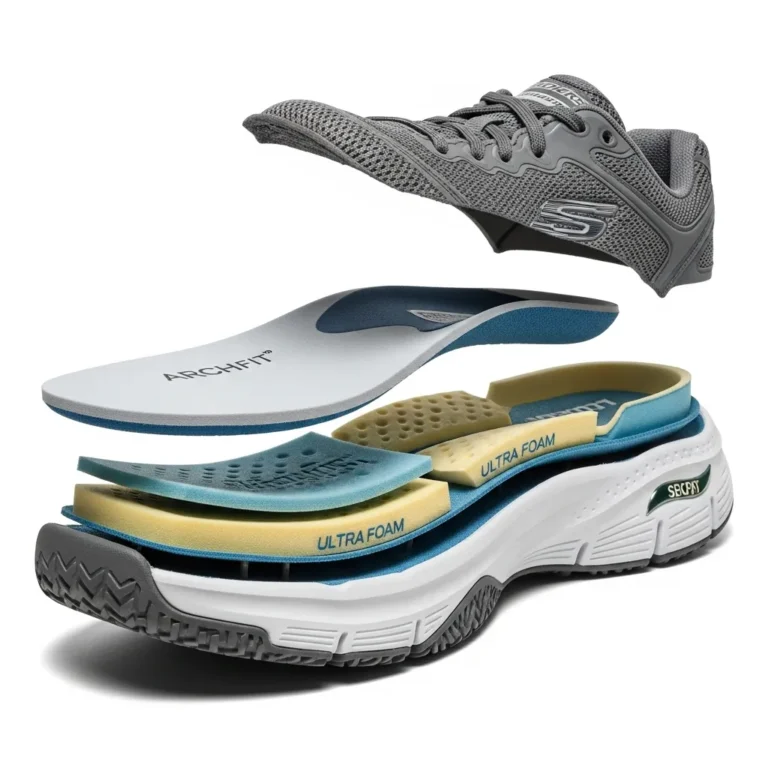
If you have severe bunion issues and require a shoe that balances anatomical shape with structural safety, compare your options carefully. Many players find that transitioning from rigid, narrow designs to softer, wide-foot alternatives like Skechers pickleball shoes or wide-width New Balance models provides the necessary relief, allowing them to play pain-free without sacrificing lateral support.
Head-to-Head Battle: Speed vs. Stability
To help you select the absolute best tool for your playstyle, let’s analyze New Balance’s top models in a head-to-head performance breakdown. The primary battle lines are drawn between the shifty, low-profile FuelCell 996v6 (and the 996v5) and the tank-like, highly cushioned Fresh Foam X CT-Rally v2.
- FuelCell 996v6 vs. Fresh Foam X CT-Rally v2: The 996v6 is engineered entirely for lightweight speed and immediate court responsiveness. It keeps your foot close to the ground with a firm, energetic FuelCell midsole that maximizes energy return. In contrast, the CT-Rally v2 is built for ultimate impact protection and premium comfort. It is noticeably heavier (roughly 14.5 ounces) but features a plush Fresh Foam X midsole that absorbs up to 20% more impact, making it the superior choice for heavier players or those suffering from chronic joint pain.
- Outsole Durability and Grip: Both premium models feature New Balance’s proprietary NDurance rubber outsole, providing excellent traction on abrasive outdoor courts. While the 996v6 offers a shifty, low-profile traction feel that allows for minor sliding, the CT-Rally v2 is incredibly sticky, anchoring your feet firmly to the concrete for maximum stability.
- Upper Breathability: The 996v6 features an upgraded lightweight net mesh upper inspired by racing cars, offering superior ventilation on hot summer days. The CT-Rally v2, while highly secure with its thick polyurethane protective saddle, runs significantly warmer and requires a longer break-in period out of the box.
The Hot-Court “Sandpaper” Dilemma & The NDurance Warranty Trap
Outdoor pickleball courts in the United States are typically coated with acrylic paint mixed with fine silica sand to provide traction. On a hot summer day in southern states like Texas, Florida, or Arizona, court surface temperatures can easily exceed 120 degrees Fahrenheit. This intense heat softens the rubber compounds of your outsoles while the silica sand acts like high-grit sandpaper, rapidly grinding away the tread. Under these harsh conditions, a standard outsole can become completely bald in under 60 days of frequent play.
This rapid wear is why New Balance’s 6-Month NDurance Outsole Warranty is highly valued. However, many players fall into what competitive communities call the “warranty trap.” New Balance strictly mandates that for a warranty claim to be approved, the NDurance rubber outsole must be completely worn through, exposing the white or colored foam of the midsole underneath. Smooth, balding tread or a loss of grip traction is not enough to qualify for a replacement.
Furthermore, the warranty strictly covers the rubber outsole. It does not extend to the fabric upper, the laces, or the toe bumper. If you drag your feet during deep lunges and tear a gaping hole through the lightweight mesh upper while the rubber tread remains intact, your warranty claim will be denied. To avoid this, players who slide or drag their toes should look for models with heavy medial rubber wraps. To learn more about how different brands handle outsole longevity and to view alternative durable court models, consult the comprehensive WearTesters Court Shoes Review.
Frequently Asked Questions (FAQ)
Q: Does New Balance’s 6-month outsole warranty cover tears on the mesh upper?
A: No. The 6-Month NDurance limited warranty guarantee strictly covers the hard court-specific rubber outsole of select models (996, 1007, and CT-RALLY). The rubber must be completely worn through to expose the midsole. Any damage, tearing, or wear on the fabric uppers or toe bumpers is strictly excluded from coverage.
Q: Why do my Achilles tendons hurt after switching to New Balance 996v5 court shoes?
A: This pain is caused by the sudden drop in heel height. Traditional running shoes typically have a high 10mm to 12mm drop, which keeps the Achilles tendon in a relaxed state. Performance court shoes like the 996v5 feature a lower 8.3mm drop (and some court shoes go as low as 4mm) to lower your center of gravity and prevent ankle rolls. This flatter profile forces your calf muscles and Achilles tendon to stretch further under heavy loads. Transitioning gradually and using temporary 12mm heel inserts can prevent this strain.
Q: How do I choose between standard B and wide D width in women’s court shoes?
A: If your toes feel compressed, or if you struggle with painful bunions and outer pinky toe friction during lateral cuts, you should opt for the Wide (D) version. New Balance is one of the few brands that offers true wide widths in performance court models, allowing your forefoot to expand naturally without sacrificing the secure, locked-in fit of the heel.
Q: Are running shoes safe to wear for outdoor pickleball?
A: Absolutely not. Running shoes are engineered solely for forward, linear movement and feature thick, soft midsoles that lack lateral stability and torsional rigidity. When you execute a sudden lateral cut on a pickleball court, the soft midsole of a running shoe can collapse, sliding your foot over the edge of the sole and drastically increasing the risk of severe ankle sprains or fractures.