Introduction: David vs. Goliath in the Pickleball Court
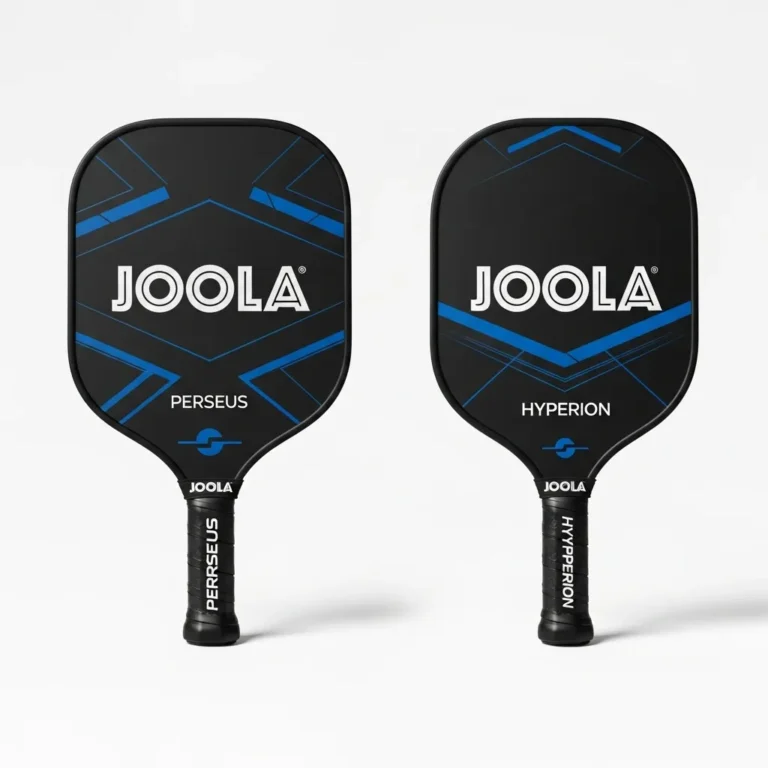
If you walk onto any court, from a local park to a professional arena, you will see it: the unmistakable silhouette of a Joola paddle. Specifically, the Joola Ben Johns Blue Lightning. It has become the “gold standard” of the sport, the Excalibur that every aspiring player wants to wield. It represents the pinnacle of technology, endorsed by the greatest player the sport has ever seen.
But there is a problem, and it is a big one: the price tag. Dropping over $200 on a single piece of gear is a massive commitment, especially if you aren’t playing for a living. This financial barrier has left many players asking, “Is there another way?”
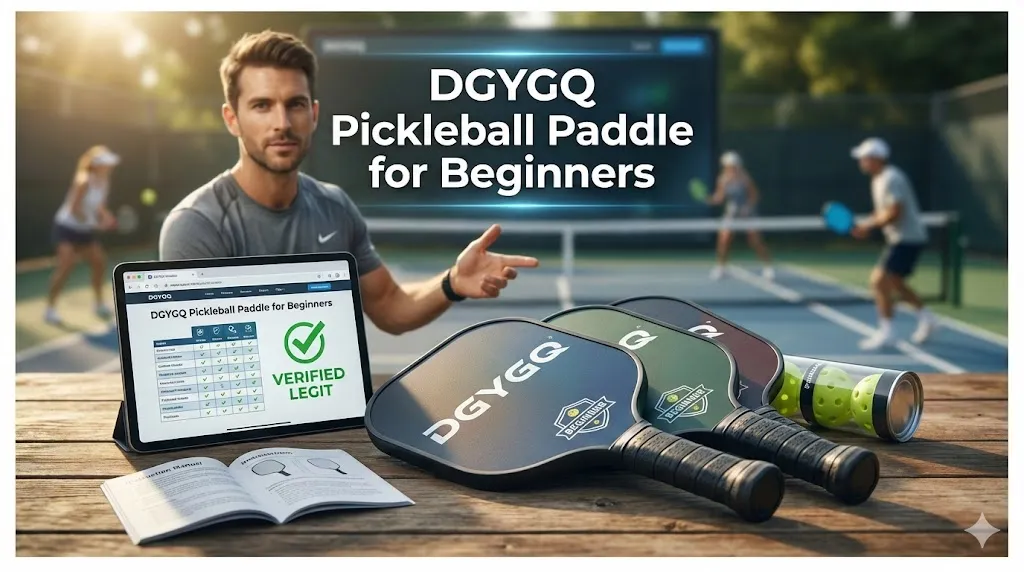
Enter the challenger: the DGYGQ Pickleball Paddle. While it may sound like a random assortment of letters to the uninitiated, this paddle has been making waves in online communities as a mysterious, high-value contender. On paper, it boasts specifications that are shockingly similar to the top-tier giants, but at a fraction of the cost.
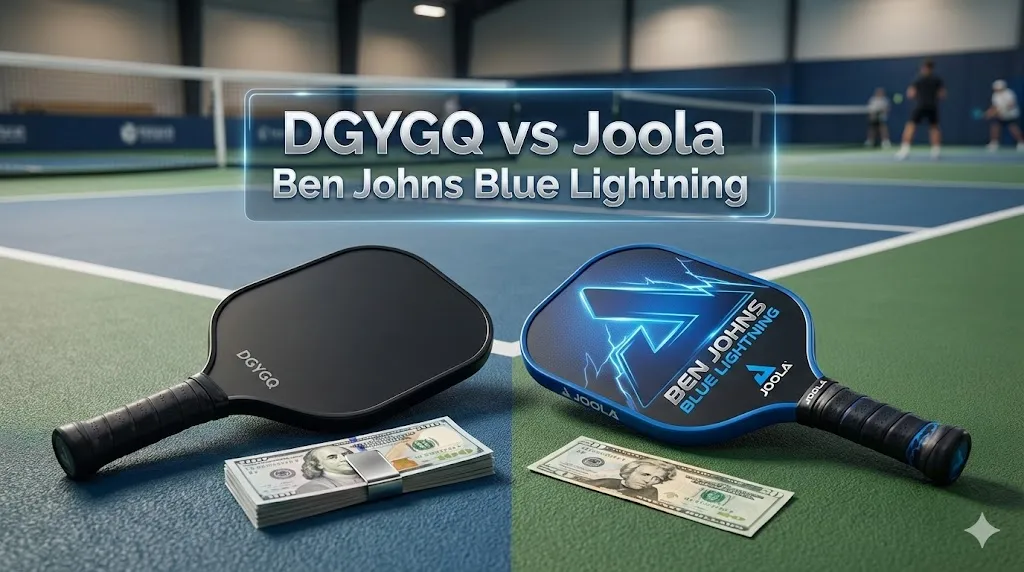
This brings us to the ultimate showdown: Joola Ben Johns Blue Lightning vs DGYGQ. In this comprehensive comparison, we are going to answer one burning question: Do you actually need to pay a premium for pro-level performance, or is this budget “dark horse” close enough to get the job done?
We will break down the specs, the feel, the spin potential, and the true value of both paddles to help you decide where your money is best spent.
At a Glance: Specs Comparison Table
For those in a rush, here is how the titan matches up against the challenger by the numbers. While raw specs don’t tell the whole story, they reveal just how close these two paddles are in physical construction.
| Feature | Joola Ben Johns Blue Lightning | DGYGQ Paddle | Winner |
|---|---|---|---|
| Price Category | Premium ($200+) | Budget Friendly | DGYGQ |
| Surface Material | Charged Carbon Surface | T700 Carbon Fiber | Joola (Texture) |
| Core Thickness | 16mm | 16mm | Tie |
| Weight | 8.0 oz (Average) | 7.9 – 8.1 oz | Tie |
| Handle Length | 5.5 Inches | 5.5 Inches | Tie |
| Tech Features | Hyperfoam Edge, Aero-Curve | Unibody Design, Thermoformed | Joola |
The Heavyweight: Joola Ben Johns Blue Lightning Overview
Let’s start with the paddle that needs no introduction. When you talk about the Joola Ben Johns Blue Lightning, you are talking about a piece of equipment designed for the highest level of play. As the weapon of choice for Ben Johns, arguably the best player in the world, expectations are naturally sky-high.
Who Is This For?
This paddle is built for competitive players who demand absolute consistency. It is for the 4.0+ player who knows exactly where they want the ball to go and needs a paddle that won’t let them down. It is also for the “super fan” who wants the psychological edge of using the best gear on the market.
Key Technology & Performance
The standout feature here is the Charged Carbon Surface. This isn’t just marketing fluff; it provides a crisp feel and impressive energy return. Combined with the Hyperfoam Edge Wall, Joola has managed to expand the sweet spot to nearly the entire face of the paddle. Whether you are resetting a hard drive or engaging in a soft dink battle, the stability is unmatched.
- Pros:
- Unmatched Control: The ball goes exactly where you aim it.
- Pro-Level Stability: Minimal twisting in the hand on off-center hits.
- Spin: The grit lasts and grabs the ball aggressively.
- Reputation: High resale value and brand trust.
- Cons:
- Expensive: The entry price is a significant barrier.
- Demanding: It can sometimes feel “mute” to beginners who are used to poppy fiberglass paddles.
The Dark Horse: DGYGQ Paddle Overview
Now, let’s look at the challenger. The DGYGQ Pickleball Paddle positions itself as the “smart choice” for the value-conscious player. It is part of a new wave of paddles coming directly from manufacturers that utilize the same raw materials as the big brands, without the massive marketing markup.
Who Is This For?
This is the perfect paddle for the intermediate player who is ready to graduate from a cheap wooden or basic honeycomb paddle but isn’t ready to spend $200. It is also an excellent choice for advanced players looking for a reliable backup or a “guest paddle” that still performs at a high level.
Key Features & Performance
The DGYGQ utilizes T700 Raw Carbon Fiber. If you read our guide on carbon fiber pickleball paddles, you know that this material is prized for its combination of spin and durability. The paddle is often thermoformed, meaning the handle and face are molded as one piece, providing durability that rivals paddles three times its price.
- Pros:
- Incredible Value: You get 90% of the performance for 25% of the price.
- Great Pop: The ball comes off the face with good velocity.
- Generous Sweet Spot: Surprisingly forgiving for a budget paddle.
- Accessories: Often ships with a cover, which Joola usually sells separately.
- Cons:
- Brand Recognition: You won’t get the “nod of approval” from gear snobs.
- Quality Control: Slight variations can occur between batches.
- Durability: Long-term grit retention is unknown compared to Joola.
DGYGQ vs Joola Ben Johns Blue Lightning: Head-to-Head Showdown
This is the section that matters most. We took both paddles to the court to see how the Joola Ben Johns Blue Lightning vs DGYGQ battle plays out in real-world scenarios.
Round 1: Build Quality & Materials
When you hold both paddles, the Joola undoubtedly feels more premium. The finish on the edge guard and the texture of the grip scream “luxury.” However, the DGYGQ is not a cheap toy. It uses legitimate T700 carbon fiber. While the Joola offers slightly more grit for spin generation right out of the box, the DGYGQ provides a genuine carbon fiber feel that is shockingly close to the top-tier standard. If you covered the logos, a 3.5 player might struggle to tell them apart by touch alone.
Round 2: Power & Pop
Here is where things get interesting. The Joola is designed for control first. It has power, but you have to generate some of it yourself with proper mechanics. The DGYGQ, often being slightly stiffer, actually offers a bit more free “pop.”
Winner: For easy power? DGYGQ. For controlled, linear power? Joola.
Round 3: Spin Potential
Spin is the currency of modern pickleball. The “Charged Carbon” surface on the Joola is legendary for a reason—it bites the ball incredibly well, allowing for dipping drives and aggressive cuts. The DGYGQ generates adequate spin—certainly enough for intermediate gameplay—but it lacks the extreme “grab” of the Joola.
Winner: Joola Ben Johns Blue Lightning.
Round 4: Control & Sweet Spot
Forgiveness is key. If you hit the ball near the edge, does the paddle twist? The Joola’s Hyperfoam edge walls add weight to the perimeter, making it incredibly stable. The DGYGQ is good, but on defensive blocks against heavy hitters, you might feel a bit more vibration and instability compared to the rock-solid feel of the Joola.
Winner: Joola Ben Johns Blue Lightning.
The Verdict: Which One Should You Buy?
After hours of play testing, the answer to “Joola Ben Johns Blue Lightning vs DGYGQ” depends entirely on where you are in your pickleball journey.
Buy the Joola Ben Johns Blue Lightning IF:
- You are a 4.0+ player or an aspiring tournament competitor. (Not sure? Check your level with our pickleball ratings guide).
- You rely heavily on precise dinking, resetting, and shaping the ball with spin.
- Budget is not an issue, and you want the absolute best gear on the market to ensure your equipment isn’t holding you back.
Buy the DGYGQ Paddle IF:
- You are a beginner to intermediate player (3.5 or below).
- You want a “Pro-style” paddle feel (carbon fiber, 16mm core) without the massive financial commitment.
- You need a reliable backup paddle or a guest paddle for friends.
- You want to experiment with carbon fiber before investing in a “forever paddle.”
For more options, don’t forget to check out our curated list of the top pickleball paddles currently on the market.
Conclusion
The Joola Ben Johns Blue Lightning remains the king of the hill for a reason. Its blend of technology, consistency, and spin is unrivaled. However, the gap between “budget” and “pro” is closing rapidly.
The DGYGQ paddle proves that you don’t need to spend a fortune to play good pickleball. It is a fantastic bridge paddle that will serve 90% of players perfectly well. Remember, while a great paddle helps, your footwork and strategy will always be more important than the brand name in your hand.
Frequently Asked Questions (FAQ)
1. Is the DGYGQ paddle USAPA approved?
Approval status can change as brands update their models. Generally, DGYGQ aims for compliance, but you should always verify the specific model on the official USAPA Equipment List before using it in a sanctioned tournament. Joola paddles, on the other hand, are a staple in professional play.
2. Why is the Joola Ben Johns paddle so expensive?
You are paying for three things: extensive R&D (Research and Development) into materials like Hyperfoam and Charged Carbon, strict quality control to ensure every paddle is identical, and the licensing fees associated with Ben Johns and the Joola brand reputation.
3. Can I generate spin with the DGYGQ paddle?
Absolutely. Because it uses a raw carbon fiber face (T700), it has a natural grit that grabs the ball. While it might not generate the extreme RPMs of the Joola, it provides significantly more spin than fiberglass or graphite paddles found in typical starter sets.
You May Also Like