
personalized pickleball paddle
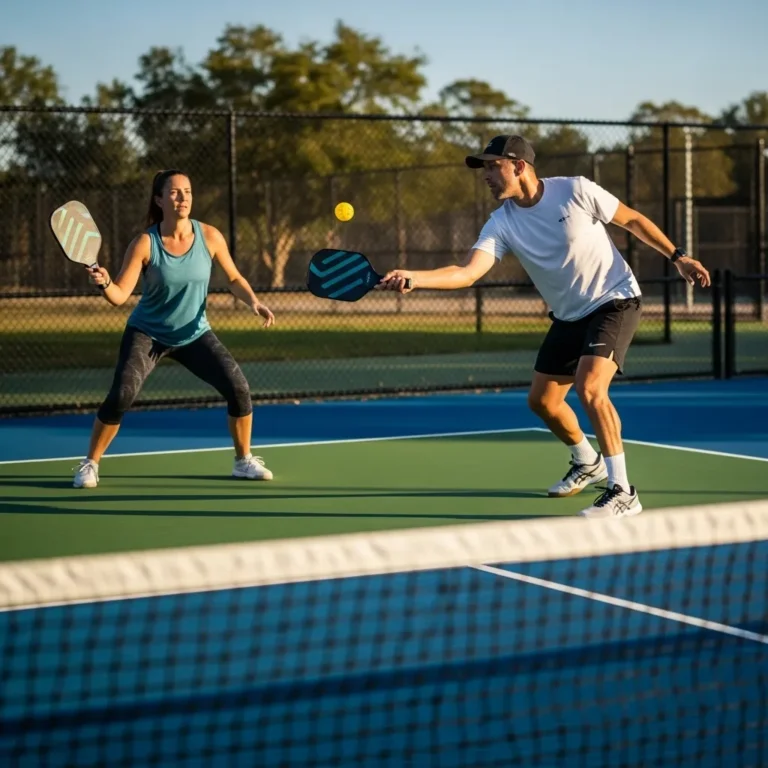
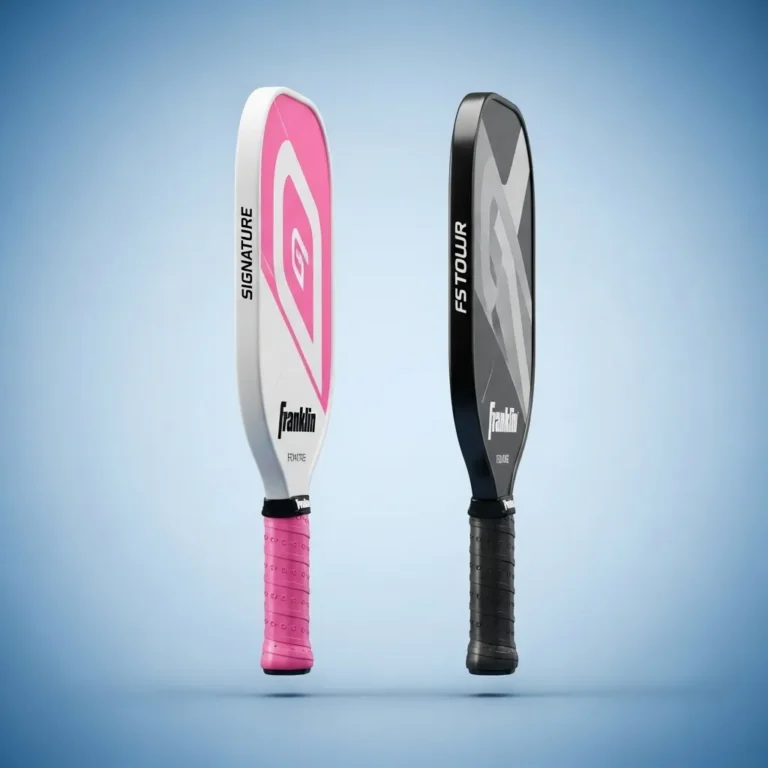
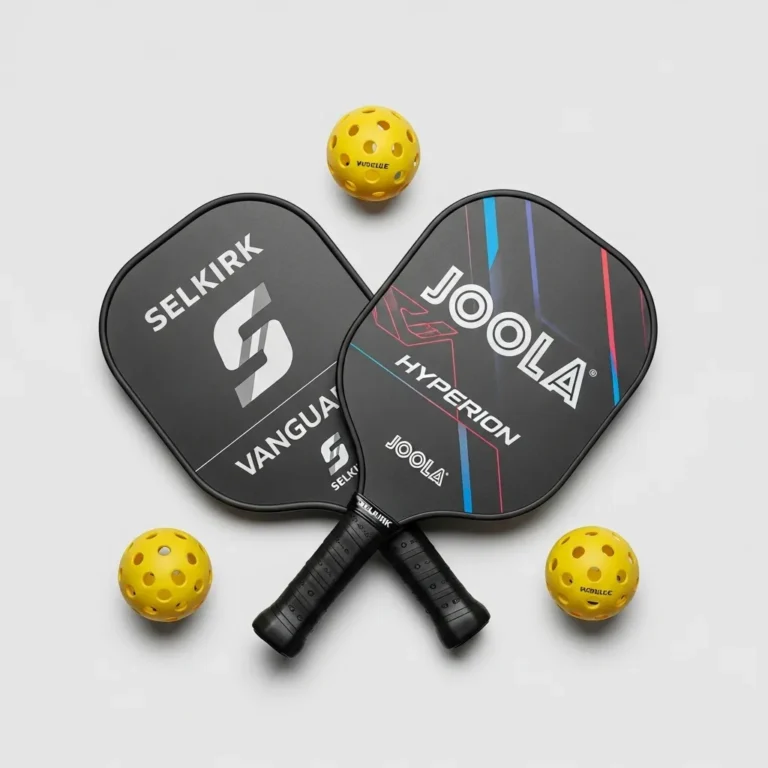
You know that sound. That distinctive pop-pop-pop echoing from the local park or rec center. It’s the soundtrack of the fastest-growing sport in America. But if you look around the courts, you might notice something: a sea of sameness. Rows of black, grey, or standard branded paddles that all look somewhat identical.
Maybe you’ve thought about shaking things up. Maybe you want gear that screams “this is me,” or perhaps you’re looking for that perfect, thoughtful gift for the pickleball addict in your life. Enter the world of the personalized pickleball paddle.
It used to be that “custom” meant gluing a low-resolution photo onto a heavy piece of wood that played like a frying pan. But times have changed. Today, personalization and high-performance engineering are finally shaking hands. Whether you are a weekend warrior or a dedicated tournament grinder, making a paddle your own is an exciting prospect. But it also comes with questions. Is it legal? Will it spin? Is it just a sticker?
Grab a drink, sit back, and let’s walk through everything you need to know about personalized pickleball paddles—from the nitty-gritty specs to the fun aesthetic choices—just like we were chatting courtside between games.
Performance & “Is it Worth It?”
Let’s be real for a second. Before we talk about cool designs or logos, we have to address the elephant in the room. You don’t want to show up to the court with a paddle that looks amazing but plays like a piece of cardboard. These are the big questions every serious player asks.
Do personalized paddles perform as well as standard branded paddles?
This is usually the first hesitation people have. There is a lingering fear that “custom” implies “novelty.” And honestly, that fear is valid—if you aren’t careful about where you shop.
The answer really depends on the base material. If you are buying a generic “photo paddle” from a non-specialized print shop, you are likely getting a heavy wooden or composite paddle that is fine for a backyard BBQ but terrible for a 3.5+ rated game. However, the market has evolved. Many companies now offer “performance custom” options. These use the exact same raw carbon fiber surfaces and polypropylene honeycomb cores found in top-tier branded paddles.
Think of it like a car. You can paint a Ferrari any color you want; it’s still a Ferrari. If you choose a reputable manufacturer that specializes in pickleball, your personalized paddle will have the pop, control, and sweet spot you expect.
Does printing a design on the paddle face affect the surface texture or spin?
If you love to slice the ball or hit topspin drives, this is a critical question. We all know that grit is king when it comes to spin.
Cheaper customization methods use thick paints or vinyl decals. These fill in the microscopic valleys of the paddle’s surface, essentially smoothing it out. The result? A slippery paddle that sends your cut shots sailing long.
However, high-end custom manufacturers use technology called dye sublimation or UV printing. Imagine the ink becoming part of the fiber rather than sitting on top of it. This allows the natural texture of the carbon fiber or fiberglass to remain exposed. So, yes, if you go the high-quality route, you can have that wild, colorful design and still rip a nasty spin serve.
Is a custom pickleball paddle tournament legal (USAPA Approved)?
This is the big one. Imagine the nightmare scenario: you spend money on a beautiful custom paddle, you warm up, and then the referee tells you it’s illegal.
Here is the rule of thumb: If you are altering a paddle yourself (DIY) by painting the face or putting stickers on the hitting surface, it is almost certainly illegal for USAPA-sanctioned tournament play. The rules state the surface must be uniform and cannot contain material that alters the flight of the ball.
However, many manufacturers offer factory-customized paddles that are USAPA approved. These companies have submitted their base paddle for testing. As long as the graphic application doesn’t change the surface roughness beyond the allowed limits, and the manufacturer is on the approved list, you are good to go. Always check for the “USAPA Approved” seal if you plan on playing in tournaments.
Can I customize the weight and balance, or just the graphics?
Most people think “personalization” just means a pretty picture. But for the gear-heads among us, true customization is about feel.
Currently, most online “design your own” tools focus on the graphics. You upload an image, pick a color, and hit order. However, there is a niche of bespoke paddle makers who allow you to tune the specs. You might be able to request a specific static weight (e.g., “I want exactly 8.1 ounces”) or a specific handle length.
While full structural customization is rare in the mass market, it’s the holy grail for advanced players. If you can’t order it that way, don’t worry—we’ll talk about DIY weight tuning with lead tape a little later.
Are custom paddles worth the extra cost compared to stock paddles?
So, is it worth the premium? Usually, a customized version of a paddle will cost $20 to $50 more than its stock counterpart.
If you are purely a utility player who doesn’t care about aesthetics, the answer is probably no. A stock paddle hits the ball just as well. But we are human beings, not robots. We like our gear to reflect our personality. There is a psychological boost to looking down at a paddle that features your team logo, your lucky colors, or a motivational quote.
Furthermore, personalized pickleball paddles are less likely to get mixed up at open play. When everyone puts their paddles in the rack to wait for a court, yours stands out. You’ll never accidentally go home with someone else’s gear again. For that peace of mind and the “cool factor,” many players find the cost entirely justified.
The Customization Process & Logistics
Okay, you’re sold on the idea. You want to make this happen. But how does it actually work? It’s not as instant as buying off the shelf, and there are a few technical things to keep in mind to ensure you don’t end up disappointed.
What is the minimum order quantity (MOQ) for a custom paddle?
This is a common tripping point. You might find a manufacturer that looks great, only to realize they only sell to clubs or corporate events and require an order of 20 or 50 units.
However, the trend is shifting toward “print on demand.” Many companies now allow a Minimum Order Quantity (MOQ) of just one. This is perfect for the individual player. If you are a club organizer or looking for company swag, you can usually get a significant discount for bulk orders. Always check the FAQ of the site before you spend hours designing a masterpiece, just to be sure they accept single orders.
How long does it take to manufacture and ship a personalized paddle?
Patience is a virtue, especially here. Unlike Amazon Prime, where it arrives the next day, custom gear takes time.
Because the paddle face is being printed specifically for you, it often has to be assembled after the printing process. For a high-quality paddle, expect a production time of anywhere from 2 to 5 weeks. Some quick-print shops can do it in a few days, but often that indicates a surface-print (lower quality) rather than a sublimation (higher quality). If you are buying this for a birthday or Christmas, order at least a month in advance to be safe.
What kind of image files do I need to upload for the best print quality?
We’ve all seen it: a t-shirt or mug where the photo looks blocky and pixelated. You do not want that on your $150 paddle.
When you upload art, “resolution” is your friend. Most customizers ask for high-resolution files.
- Vector files (SVG, AI, EPS): These are best for logos because they can be resized infinitely without losing sharpness.
- Raster files (PNG, JPG): If you use a photo, it needs to be high quality—ideally 300 DPI (dots per inch). If you pull a small image off a Google search, it will likely look blurry when blown up to the size of a paddle face.
Rule of thumb: If the file size is under 100kb, it’s probably too small. Go for the biggest file you have.
Can I see a digital proof or mock-up before the paddle is made?
Absolutely insist on this. Most reputable sites have a “visualizer” tool where you can drag and drop your image to see how it looks on the paddle shape.
However, computer screens are backlit and bright, while printed materials rely on reflected light. Colors might look slightly different in real life. If you are doing a large order (like for a league), ask the company if they can send a digital proof for approval, or even a physical sample, before they run the whole batch. It saves a lot of heartache over a logo getting cut off by the edge guard.
DIY & Modifications (For Existing Paddles)
Maybe you already have a paddle you love. It’s broken in, the grip is perfect, but you’re bored with the look, or you want to tweak how it plays. This is the “garage tinkerer” section of the guide.
Can I put stickers or vinyl decals on my paddle face?
This is the most frequent question on forums like Reddit. The short answer: Don’t do it if you play tournaments.
According to USAPA rules, you cannot add anything to the hitting surface (the face) that affects the roughness or flight of the ball. A vinyl sticker is smooth; it creates a dead spot for spin and is technically an illegal modification.
However, you can put stickers on the edge guard or a small identification marking on the throat (the area just above the handle), provided it doesn’t impact the hitting zone. If you only play for fun with friends and nobody cares about rules? Go for it. But don’t get used to it if you plan to compete.
How do I safely add lead or tungsten tape to customize my paddle’s weight?
This is the most common performance “hack” in pickleball. Pros do it, and you can too. It’s cheap, reversible, and effective.
You can buy adhesive lead or tungsten tape strips.
- For more power: Add tape to the top (head) of the paddle. This increases the “swing weight,” making the paddle feel heavier when you swing, acting like a hammer.
- For stability: Add tape to the sides (the 3 and 9 o’clock positions). This expands the sweet spot and prevents the paddle from twisting in your hand on off-center hits.
- For hand speed: Add weight near the handle (throat). This increases the static weight without making the paddle feel “heavy” to swing.
Start with small amounts (3 grams or so) and test it out. It’s a game-changer for tailoring a paddle to your strength.
Does changing the grip or adding an overgrip count as “customization”?
Yes, and it’s the easiest, cheapest upgrade you can make.
Adding an overgrip (a thin layer of tape over the original grip) increases the handle circumference and absorbs sweat. Many players find that stock grips are too thin. Building up the grip can help with “tennis elbow” by preventing you from squeezing too hard. Since overgrips come in neon colors and patterns, it’s also a great way to add a splash of personality without spending a fortune.
Will painting or modifying my paddle void the manufacturer’s warranty?
Almost certainly, yes. Manufacturers are pretty strict about this. If you spray paint your paddle face or try to sand down the handle, you are altering the structural integrity (in their eyes). If the paddle breaks a week later—even if it wasn’t related to the paint—they will likely deny your warranty claim.
Tape (lead/tungsten) and overgrips generally do not void warranties because they are removable. Permanent alterations like painting or sanding are “at your own risk.”
Gifting & Durability
You’re thinking about buying a personalized pickleball paddle as a gift. It seems like the perfect present—thoughtful, unique, and related to their favorite hobby. But is it a trap?
Is a personalized paddle a good gift for an advanced player?
Here is the honest truth: It’s risky.
Advanced players (4.0 rating and up) are incredibly particular. They care deeply about handle length, core thickness (14mm vs 16mm), surface material (carbon vs fiberglass), and swing weight. If you buy them a generic custom paddle that looks cool but doesn’t match their specs, they will say “Thank you so much!” and then leave it in their closet.
If you want to gift a paddle to a serious player, find out exactly what model they use and see if that specific manufacturer offers customization. If not, consider accessories. Custom edge guard tape, a personalized paddle cover, or a high-end bag are often safer bets that will actually get used.
For beginners or intermediate recreational players? A personalized paddle is a fantastic gift. They are generally less fussy about specs and will love the sentiment.
Do the custom graphics fade or chip off after hitting the ball repeatedly?
Pickleball is a game of impact. You are whacking a hard plastic ball thousands of times.
If the paddle is made using UV printing or sublimation, the durability is generally excellent. The image won’t chip off because it’s not a layer of paint—it’s bonded to the material. However, over a long period (6 months to a year of heavy play), the “grit” on any paddle wears down, and the graphics might fade slightly in the absolute center where the ball hits the most. This is normal wear and tear.
Avoid “photo overlays” or simple screen prints, as those will chip and look tattered within a few weeks of aggressive play.
What is the difference between a “novelty” custom paddle and a “pro” custom paddle?
It comes down to what’s inside.
A novelty paddle is often made of wood or a cheap composite. It’s heavy, loud, and vibrates your arm. It’s meant to be a trophy or a wall hanger.
A pro custom paddle uses a honeycomb polymer core (usually polypropylene) sandwiched between carbon fiber or fiberglass sheets. It is designed for ball control, shock absorption, and power.
If you see a custom paddle selling for $30 or $40, it is almost certainly a novelty item. If it’s in the $100 to $200 range, you are likely looking at legitimate sports equipment. As the saying goes, you get what you pay for.
In the end, pickleball is about having fun. It’s about community, exercise, and that satisfying feeling of a well-placed dink. Whether you are taping up your trusty old paddle or ordering a brand-new, high-tech personalized weapon, making the gear your own adds a layer of joy to the game. So go ahead—express yourself. Just make sure you keep it legal, keep it gritty, and most importantly, keep out of the kitchen!
you may like it