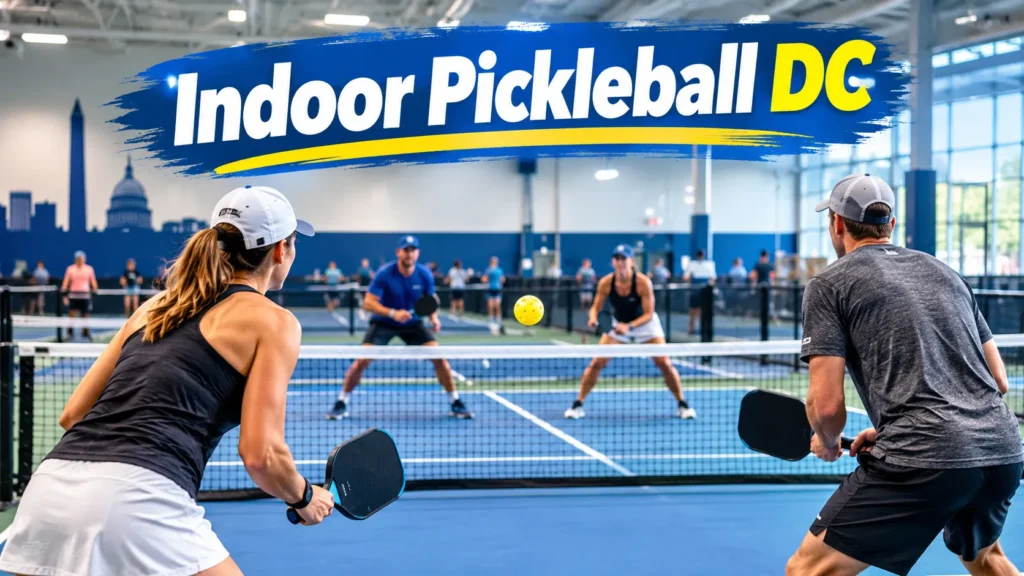
Securing court time in the nation’s capital currently feels more fiercely contested than a closed-door Senate negotiation. When unpredictable Mid-Atlantic weather forces players off the asphalt, the tactical scramble for premium indoor pickleball dc facilities officially begins. Stop wasting hours navigating outdated public schedules and crowded gymnasiums; mastering this urban grid requires knowing exactly which venues offer true championship surfaces, algorithmic matchmaking, and guaranteed baseline clearances.
Indoor Pickleball Courts in DC
Verified Rates & Booking Info · 2026
indoor pickleball dc review
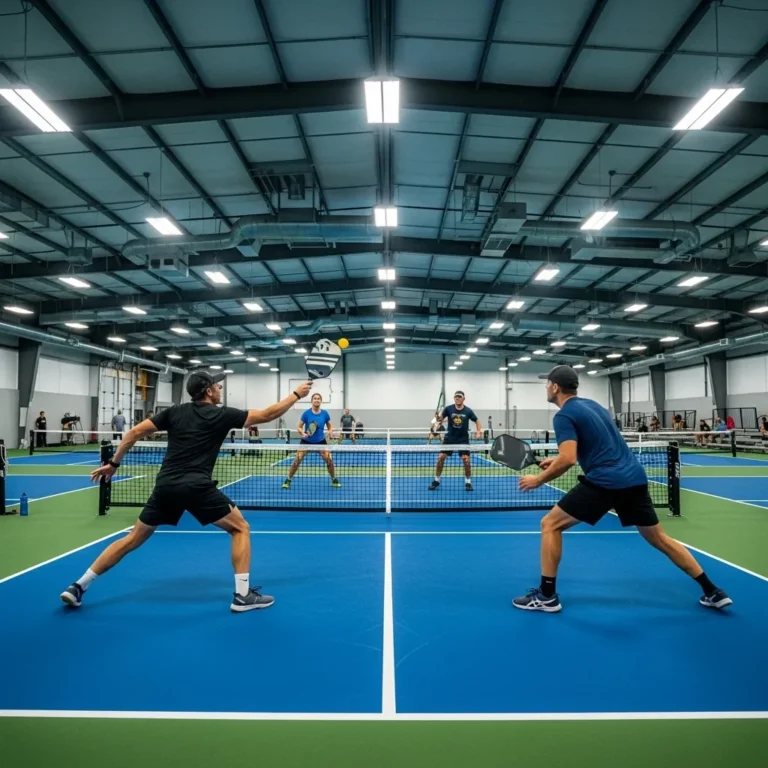
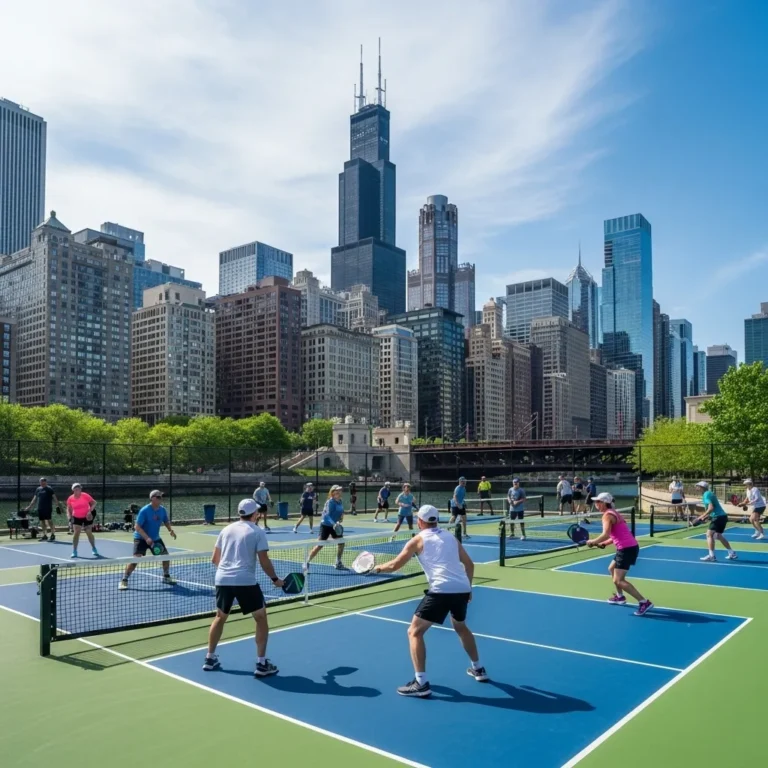
The engineering and operational core of the modern indoor pickleball washington dc ecosystem centers upon navigating a fractured landscape. While legacy recreation spaces relied primarily on standard community scheduling, the contemporary indoor scene bridges cutting-edge digital booking technology with the rigorous spatial constraints of modern urban sports. The reality of playing in the DMV region means choosing between free public spaces with structural limitations and premium private hubs offering optimized environments.
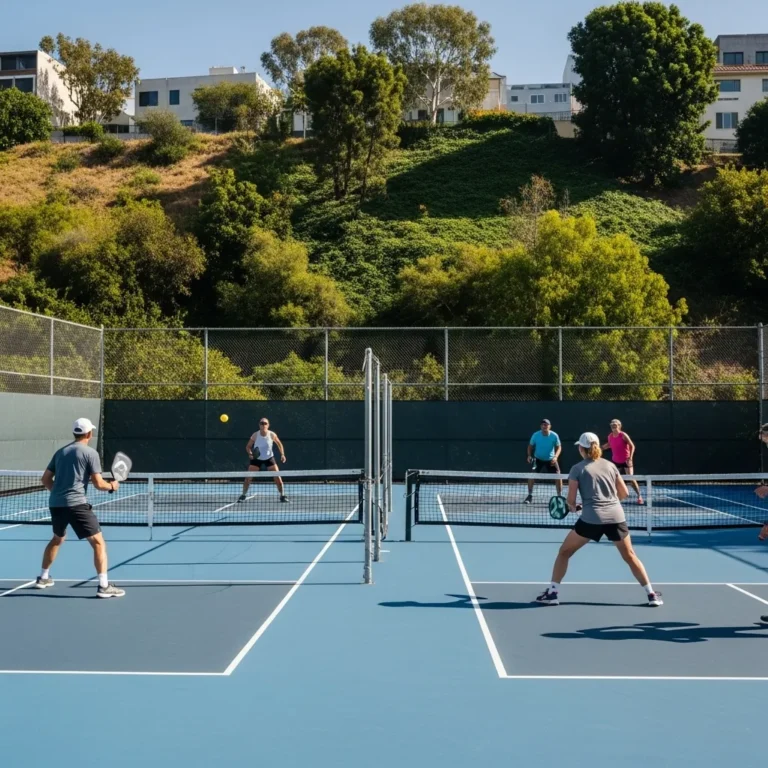
- The Free Public Infrastructure Matrix: Utilizing the extensive DC Parks and Recreation (DPR) network provides unparalleled financial accessibility. Centers like Turkey Thicket and Sherwood offer spacious indoor gymnasiums where the standard 25-foot basketball ceilings provide an incredible tactical advantage for defensive lobs. However, access requires strategic planning; while officially free for residents with a valid government ID, enforcement varies wildly. Peak hours demand strict ID checks, whereas off-peak sessions often welcome players from Maryland and Northern Virginia with minimal friction.
- The Commercial Premium Boundary: Because urban real estate is phenomenally expensive, private clubs like Kraken Kourts deploy dynamic pricing models and dual-tier court surfaces. They separate “Social Kourts” for casual engagements from “Premium Kourts” built with professional-grade acrylics. This structural countermeasure ensures that high-level players get the predictable bounce they demand, while social players can enjoy events like “Triple Play Fridays” where a mere $5 grants entry to open play, completely reshaping the weekend sporting dynamic in Eckington.
- Suburban Migration and Warehouse Mechanics: The intense demand for massive, unobstructed square footage has driven serious players toward suburban powerhouses like Dill Dinkers in North Bethesda and Chantilly. These facilities solve the “Ceiling Height Dilemma”—a massive blind spot in standard venue directories. A ceiling below 18 feet eliminates the ability to execute high tactical lobs without hitting lighting fixtures. Suburban hubs guarantee 20 to 30-foot clearances alongside dedicated championship-sized footprints that allow safe, unhindered momentum beyond the baselines.
This evolving landscape balances ultra-accessible community programs with highly engineered commercial environments. For players meticulously analyzing their options across the entire municipal matrix, evaluating the dedicated spatial dimensions, out-of-bounds safety margins, and ceiling clearances outlined in our analytical look at regulation and skinny court dimensions provides clear contextual background before committing to a costly monthly membership or braving rush-hour traffic.
Open Play vs. Digital Professionalism: Deciding on your Court Experience
Navigating the local ecosystem requires a clear understanding of the mechanical differences between traditional analog scheduling and the modern algorithmic management taking over the sport. Selecting your specific venue dictates both your physical comfort during long rallies and your kinetic velocity when integrating with the broader community of athletes seeking a reliable dc indoor pickleball home.
The DUPR and Open Play Variance
The traditional “paddle stacking” architecture focuses extensively on community self-regulation. At public rec centers, players stack their equipment in designated racks, relying on color-coded cards or the honor system to dictate skill levels. Unfortunately, this creates severe mismatches due to inflated self-assessments. Conversely, the digital configuration employed by advanced clubs utilizes the CourtReserve application deeply integrated with the Dynamic Universal Pickleball Rating (DUPR) algorithm. This ensures that a registered 3.5+ session strictly permits mathematically verified players, resulting in a hyper-balanced, fiercely competitive environment that respects everyone’s time on the court.
Acoustics and Surface Biomechanics
The transition from analog public spaces to commercial hubs introduces undeniable environmental upgrades, particularly regarding acoustics and surface physics. Converted industrial warehouses inherently suffer from deafening acoustic echoes caused by the sharp plastic-on-composite impact of the sport. Premium facilities actively combat this by installing six-inch sound-baffling insulation, transforming a chaotic auditory nightmare into a focused athletic arena. Surface-wise, the shift from slick, unpredictable hardwood floors to cushioned Laykold acrylics dramatically enhances traction, allowing players to execute heavy topspin drives and sudden lateral stops with absolute confidence.
If you are a high-level competitor seeking to match these advanced flooring dynamics with elite-tier kinetic support, exploring the definitive structural mechanics detailed in our guide to premium indoor pickleball shoes will ensure your entire physical setup functions in perfect alignment with the strict non-marking footwear policies enforced by premium acrylic venues.
Head-to-Head: Kraken Kourts & Skates vs. Suburban Dill Dinkers Hubs
For players trying to choose between the localized urban convenience of Kraken Kourts & Skates and the massive, purpose-built footprint of suburban Dill Dinkers locations, the choice comes down to a fundamental split in lifestyle and design philosophy. Both models command top-tier placement across the region but approach community building and structural scale from completely opposing angles.
The primary differences in on-court performance and logistical execution are detailed in the comparison matrix below:
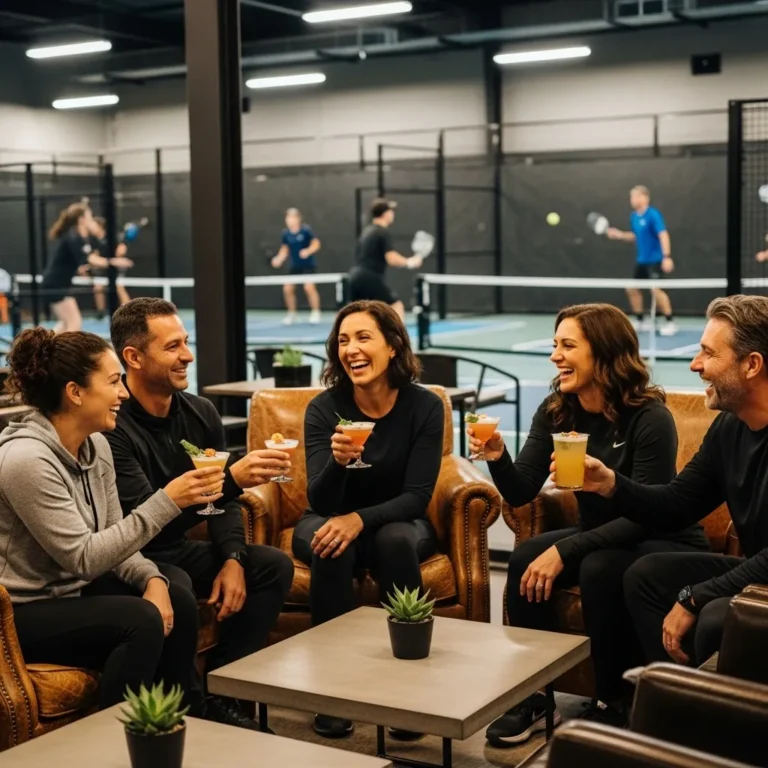
- Atmosphere and Social Integration: Kraken wins decisively on immediate social vibrancy, delivering a plush, energetic feel through its integration of a tavern, dedicated cabanas, and even an indoor roller rink. It is the ultimate hybrid entertainment venue. Dill Dinkers features a remarkably focused, heavy-duty athletic layout designed strictly for high-volume, distraction-free tournament preparation and rigorous drilling.
- Court Scale and Availability: The massive suburban footprint allows Dill Dinkers to dominate the availability category, frequently hosting 11 to 12 dedicated courts, including specialized “skinny courts” specifically engineered for singles drills and precision dinking. Kraken’s 14 courts are highly sought after, meaning peak evening hours frequently trigger maximum dynamic pricing, requiring players to lock down reservations up to two weeks in advance to secure prime time.
- League Synergy and Urban Networking: For young professionals moving into the city, social organizers like Volo Sports utilize urban hubs and school gymnasiums (such as Garrison Elementary and Jefferson Middle School) to host heavily structured “Party Pickleball” leagues. These urban leagues seamlessly funnel players from the court directly to local sponsor bars for post-match networking, a localized community synergy that isolated suburban warehouse facilities struggle to replicate.
For a complete, comprehensive overview of the broad variety of strategic choices currently occupying the competitive landscape, take a moment to read our detailed breakdown on pickleball beginner rules and clinics alongside our independent evaluation of advanced paddles optimized for DUPR matches to ensure you arrive at your next reserved session fully equipped for victory.
Frequently Asked Questions (FAQ)
Are the DC Parks and Recreation (DPR) indoor courts strictly limited to District residents only?
Officially, the DPR mandates that free access requires a valid, government-issued DC resident ID. However, practical enforcement varies significantly by location and time of day. During peak evening hours and weekends, staff aggressively enforce the ID policy to prioritize locals. During weekday mornings, many centers adopt a more relaxed approach, frequently accommodating visiting players from Maryland and Virginia.
Do I need specialized footwear to play on the premium indoor courts in the capital?
Yes, absolutely. Facilities utilizing high-end cushioned acrylic surfaces (like those found at commercial clubs) strictly prohibit traditional dark-soled running shoes or cross-trainers. You must utilize non-marking, smooth-soled court shoes. Standard running treads will aggressively scuff the expensive acrylic layers and severely compromise your lateral stability, putting you at a significant kinetic disadvantage.
How does ceiling height realistically impact the quality of play at converted warehouse venues?
The inclusion of a low ceiling (anything under 18 feet) fundamentally alters high-level strategy. It completely neutralizes the defensive lob—a critical shot used to reset positioning when trapped at the baseline. While standard gymnasium ceilings easily clear 25 feet, players visiting newly converted industrial spaces must verify vertical clearance beforehand to ensure their standard strategic arsenal remains viable during tournament-level matches.