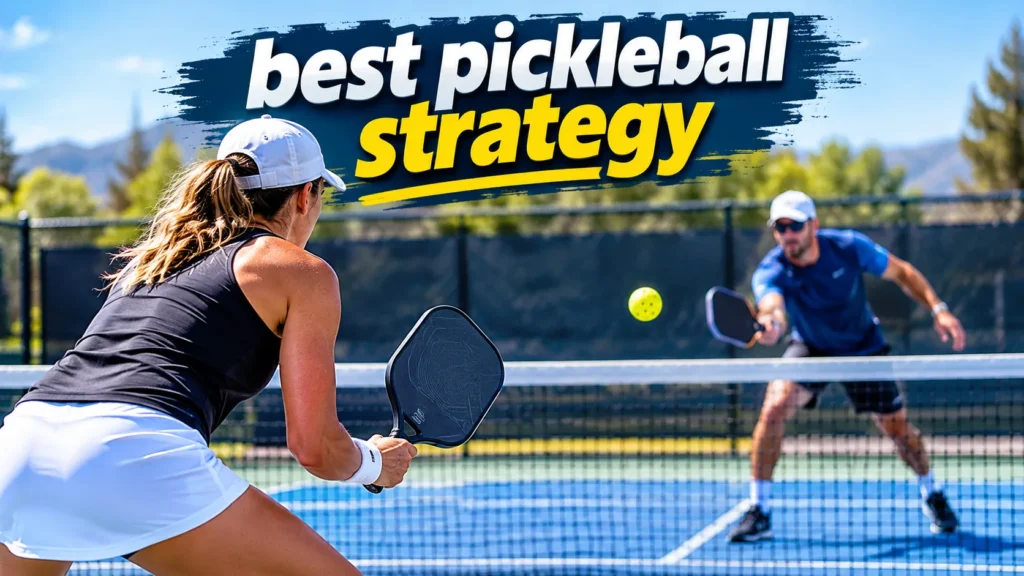
Conventional court movement collapses under pressure when players treat recreational patterns as competitive blueprints. Decoding the best pickleball strategy demands an analytical appreciation of spatial control, optimal paddle angles, and high-percentage transition mechanics. While casual hitters rely heavily on predictable baseline drives, elite competitors look toward the best pickleball doubles strategy and best singles pickleball strategy to systematically dismantle opponents through geometric pressure. Finding the definitive best strategy for pickleball means bridging the gap between raw athleticism and disciplined court architecture across every domestic venue.
Pickleball Market Segments
United States · Participation, tactical focus & growth drivers
The rapid expansion of the sport across the United States has fundamentally altered player expectations regarding strategic execution. Generic tennis tactics or casual backyard positioning no longer suffice against opponents utilizing heavy topspin and calculated dink battles. With specialized coaching and advanced metrics arriving on the competitive scene, understanding the geometric architecture of the court becomes paramount to maintaining pressure and forcing unforced errors.
Comprehensive Analysis: Best Pickleball Doubles Strategy, Best Pickleball Strategy Doubles, Best Singles Pickleball Strategy, and the Best Strategy for Pickleball
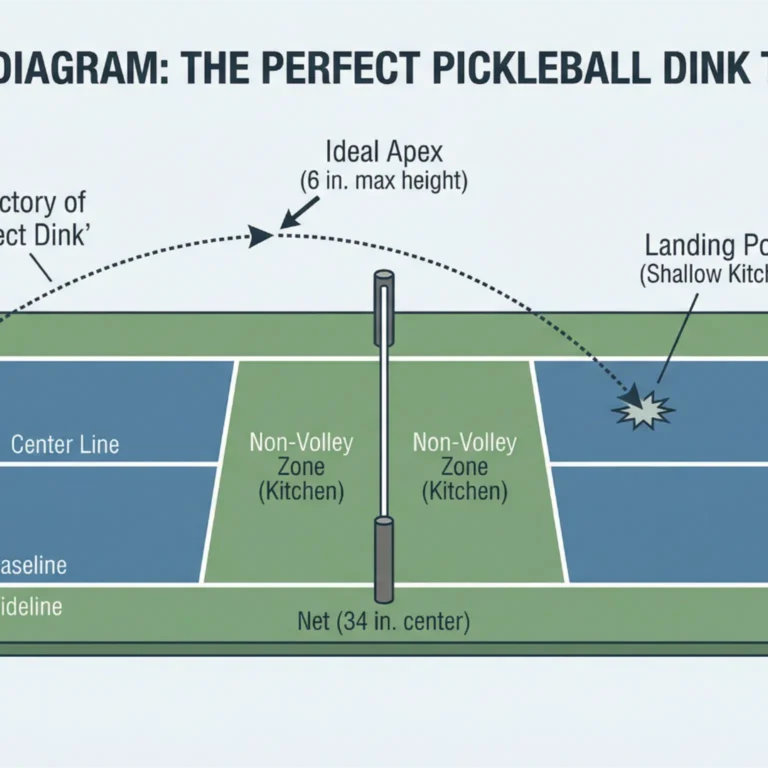
The engineering core of an elite game plan centers upon non-traditional spacing setups and dynamic shot selection. While legacy racquet sports relied primarily on standard baseline supremacy, this modern approach bridges aggressive power mechanics with the rigorous spatial constraints of the 44-foot court. Mastering the nuances of court positioning reveals hidden offensive opportunities, even from a defensive posture.
- The Third Shot Matrix: Utilizing the “Third Shot Drive” against short or high returns provides exceptional mechanical pressure. When encountering deep, heavy returns, players must pivot to the traditional “Third Shot Drop,” arcing the ball softly into the kitchen to buy time for a safe approach to the Non-Volley Zone (NVZ).
- The “Respect the X” Boundary: Because the standard “forehand takes the middle” rule leaves fatal gaps against high-level opponents, teams must implement the “Respect the X” strategy. The player positioned crosscourt from the ball covers middle speed-ups, while the player straight-on locks down the down-the-line passing lanes, moving as a tethered unit through strategic shading.
- Erne and ATP Mechanics: Modern offensive systems incorporate the “Erne” (leaping outside the sideline to smash a dink before it bounces) and the “Around the Post” (ATP) shot. Both require extreme anticipation, looking for the opponent’s “head down, back foot” posture during wide dink exchanges to exploit the geometry outside the standard boundaries.
The strategic layer balances aggressive speed-ups with disciplined resets to counter isolation tactics. For players analyzing options to break an isolation strategy (where opponents aggressively target the weaker player), evaluating the tactical interventions outlined in our guide to 3rd shot pickleball provides clear contextual background before stepping onto the court.
Skinny Singles vs. Full Court: Deciding on Your Solo Development Plan
Navigating the solo competitive landscape requires a clear understanding of the mechanical differences between traditional singles play and modified training formats. Selecting your specific training regimen dictates both your physical conditioning cycles and your tactical velocity during official tournaments.
The Baseline Variance
The traditional singles architecture focuses extensively on deep serves and relentless baseline drives. Executing passing shots down the line or deploying high backhand lobs forces the opponent backward, neutralizing their net presence. Conversely, the “Skinny Singles” configuration employs a half-court constraint designed for high-density touch practice. This gives precision-focused players a sharper sense of angular control but significantly less reliance on raw sprinting speed.
Rules and Scoring Discrepancies
The expansive nature of full-court singles introduces an undeniable physical penalty, governed by strict pickleball rules singles formats, pushing players to cover the entire 20-foot width independently. The Skinny Singles option drops this coverage signature noticeably, providing a highly focused arena for mastering dinks and drops without the cardiovascular exhaustion of full-court lateral sprints. Furthermore, adapting to the updated pickleball rules for 2026—which eliminated the scoring “freeze” and formalized strict volley serve requirements—is crucial for maintaining momentum in both formats.
If you are a high-level competitor seeking to match advanced solo dynamics with elite-tier court positioning, exploring the definitive structural mechanics detailed in our guide on how to play pickleball singles will ensure your entire game functions in perfect technical alignment.
Head-to-Head: 14mm Thermoformed Carbon vs. 16mm Control Core Paddles
For players trying to choose between an aggressive 14mm thermoformed carbon paddle and a plush 16mm control core model, the choice comes down to a fundamental split in tactical philosophy. Both profiles command top-tier placement across domestic retail outlets but approach court dominance from completely opposing angles.
The primary differences in on-court performance are detailed in the comparison matrix below:
- Power and Exit Velocity: The 14mm thermoformed compound wins decisively on instant power, delivering a stiff, highly reactive feel that maximizes exit velocity for aggressive drives. The 16mm core features a remarkably thick, energy-absorbing layout that requires a faster manual swing speed to generate equivalent pace.
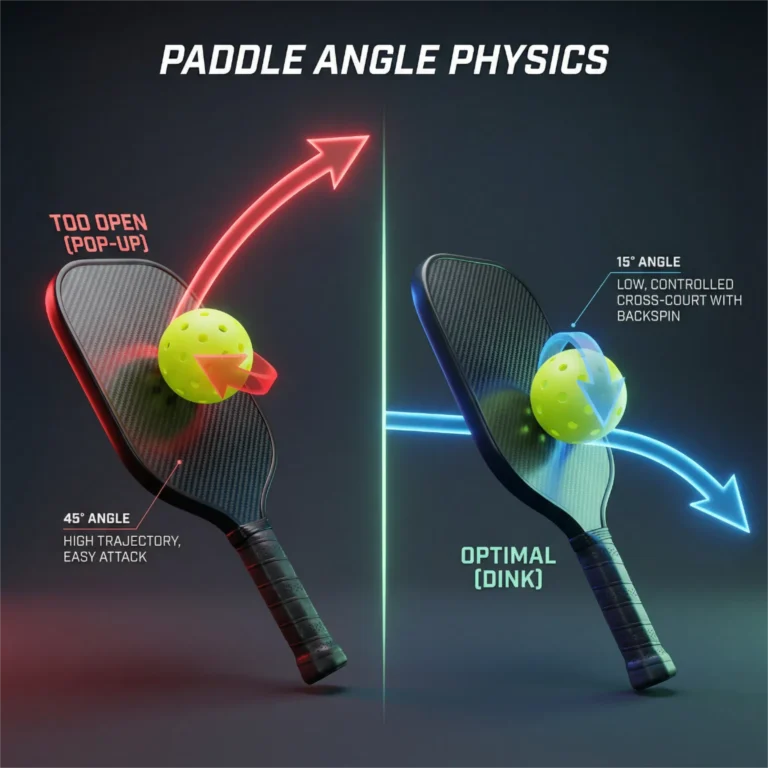
- Control and Dwell Time: The 16mm thickness dominates the stability category through its extended dwell time, which locks the ball onto the paddle face slightly longer for supreme directional control. The stiffer 14mm system yields slightly more pop-ups under extreme, high-velocity counter-attacks if the player’s hands are not perfectly angled.
- Spin and Sweet Spot: The edge-to-edge thermoforming on modern paddles easily delivers incredible torsional stability and a massive sweet spot under harsh competitive conditions. While both utilize raw carbon fiber for extreme spin, the thicker 16mm core generally absorbs more vibration during sustained baseline exchanges.
For a complete, comprehensive overview of the broad variety of equipment choices currently occupying the competitive landscape across domestic venues, take a moment to read our detailed breakdown of thermoformed pickleball paddles alongside our independent evaluation of the DUPR pickleball rating system to measure your exact progression.
Frequently Asked Questions (FAQ)
Did the 2026 rule updates completely eliminate the scoring “freeze”?
Yes. The highly debated scoring freeze has been removed from standard rally scoring formats. Either the serving or receiving team can now score the game-winning point, ensuring match momentum remains fluid and preventing games from stalling at the finish line.
How do I stop opponents from targeting the weaker player in doubles?
Countering the isolation strategy requires the targeted player to focus exclusively on resetting the ball into the kitchen with unattackable crosscourt dinks. Simultaneously, the stronger partner must employ aggressive poaching, crossing the centerline to intercept predictable speed-ups.
What is the difference between a dead dink and a spin dink?
A dead dink is hit flat and tends to bounce higher, making it highly susceptible to aggressive speed-ups. In contrast, utilizing a topspin roll keeps the ball accelerating low toward the opponent’s feet after the bounce, forcing them into a defensive, upward trajectory.